
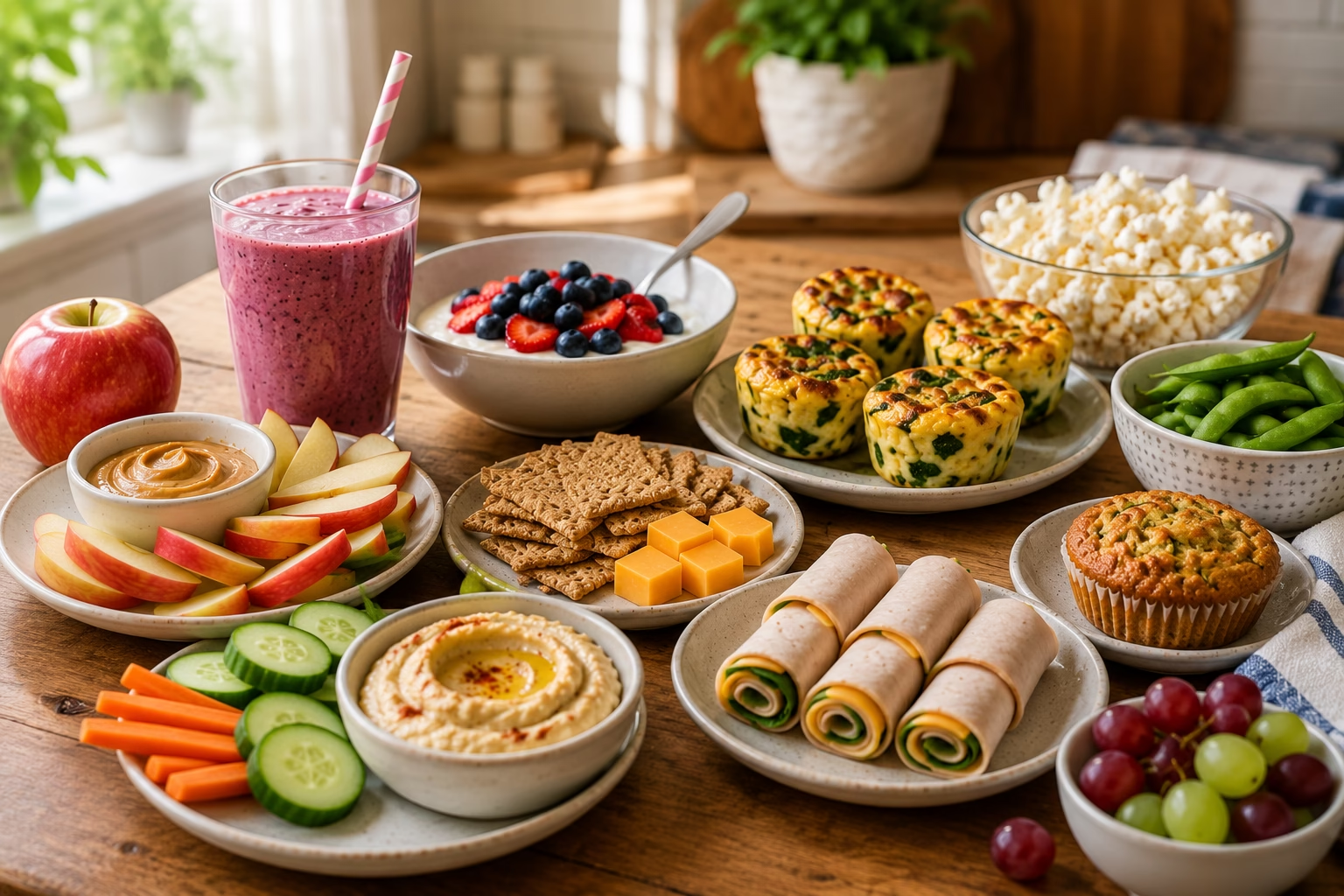
Afterschool snack time doesn’t have to mean reaching for the same packaged foods every day. With a few simple ingredients on hand, you can put together snacks that are filling, easy, and enjoyable for kids.
Keep staples such as fruit, yogurt, cheese, eggs, hummus, whole-grain crackers, oats, and vegetables ready to go. Then mix and match them depending on your child’s hunger, schedule, and preferences.
Some days it may be a homemade muffin and fruit. Other days it may be leftover eggs or a quick smoothie. Balance matters more than perfection, and giving children nutritious choices can make snack time much easier for everyone.
Finding healthy afterschool snacks that kids will actually want to eat can be a challenge. After a long day at school, most children want something quick, familiar, and tasty—and there isn’t always much time before homework, sports, or dinner.
The good news is that a healthy snack doesn’t need to be complicated. Simple combinations of fruit, vegetables, whole grains, protein, and healthy fats can make satisfying snacks without requiring much preparation.
I’ve gathered 25 easy ideas, from simple fruit and yogurt combinations to homemade muffins, smoothies, egg bites, and savory snacks. There are also options for picky eaters, sports days, school allergies, and those afternoons when dinner still feels hours away.
Quick Answer: The best after-school snacks combine two or more food groups, such as fruit with yogurt, whole-grain crackers with cheese, or apple slices with nut or seed butter. This can make the snack more satisfying than offering a sweet or highly processed snack on its own.
The right amount depends on the child’s age, appetite, activity level, and how soon dinner will be served. A small snack may be enough when dinner is close, while an active child may need something more substantial.
What Makes a Healthy Afterschool Snack?
Pair Protein With Carbohydrates
Protein can help make a snack more filling, while carbohydrates provide energy.
Easy combinations include:
- Greek yogurt with berries
- Cheese with whole-grain crackers
- Apple with peanut butter
- Hummus with vegetables
- Egg bites with fruit
- Turkey and cheese roll-ups
Add Fruits or Vegetables
Fresh or frozen fruits and vegetables are easy ways to add fiber, vitamins, and color to snack time.
Try apples, bananas, berries, carrots, cucumbers, bell peppers, avocado, or sweet potatoes.
Keep It Practical
The healthiest snack isn’t very useful if nobody has time to prepare it.
Keep a few simple foods ready in the refrigerator and pantry so you can put something together quickly after school.
25 Healthy Afterschool Snacks Kids Will Actually Eat

1. Apple Slices With Peanut Butter
Slice an apple and serve it with a small spoonful of peanut butter.
The crisp apple and creamy peanut butter make a simple combination that is satisfying and easy to prepare.
For a nut-free option, use sunflower seed butter if it is suitable for your child’s school and dietary needs.
2. Greek Yogurt With Berries
Add fresh or frozen berries to plain or lightly sweetened Greek yogurt.
You can sprinkle a little oats or chia seeds on top for extra texture.
This is especially handy when you want something that takes less than five minutes to prepare.
3. Hummus With Vegetable Sticks
Serve hummus with sliced carrots, cucumbers, celery, or bell peppers.
If your child is hesitant about vegetables, start with one or two vegetables they already enjoy rather than offering a large plate of unfamiliar foods.
4. Cottage Cheese Egg Bites
These Irresistibly Creamy Cottage Cheese Egg Bites are a convenient make-ahead snack.
Prepare them ahead of time, keep them refrigerated, and serve one or two with fruit when your child comes home hungry.
5. Healthy Carrot Zucchini Muffins
These Healthy Carrot Zucchini Muffins are a nice option when kids want something that feels more like a treat.
Serve a muffin with yogurt, milk, or fresh fruit to make the snack more filling.
6. Blueberry Spinach Yogurt Smoothie
Our Blueberry Spinach Yogurt Smoothie combines blueberries, spinach, and yogurt in one easy snack.
The berries give the smoothie a familiar sweet flavor, while the yogurt adds protein.
7. Strawberry Banana Chia Smoothie
This Strawberry Banana Chia Smoothie is another quick option for busy afternoons.
Serve it as a light snack or pair it with a small handful of whole-grain crackers when your child is especially hungry.
8. Whole-Grain Crackers and Cheese
Pair whole-grain crackers with cubes or slices of cheese.
You can add grapes, apple slices, or another favorite fruit on the side.
This is one of those snacks that is easy to prepare ahead of time and pack into a small container.
9. Hard-Boiled Egg With Fruit
A hard-boiled egg paired with fruit makes a simple protein-rich snack.
Prepare several eggs ahead of time and keep them refrigerated so they’re ready when the afternoon hunger hits.
10. Air-Popped Popcorn
Plain or lightly seasoned air-popped popcorn is an inexpensive whole-grain snack.
Keep toppings simple with a small amount of melted butter, olive oil, or a light sprinkle of seasoning.
For young children, remember that whole popcorn can be a choking hazard.
11. Banana With Nut or Seed Butter
Slice a banana and serve it with peanut butter, almond butter, or sunflower seed butter.
This works particularly well when your child comes home extremely hungry and dinner is still a while away.
12. Avocado Toast
Spread mashed avocado over whole-grain toast.
For additional protein, serve it with a boiled egg or add a little cottage cheese on top.
Cut the toast into strips or small pieces for younger children who may find them easier to handle.
13. Edamame
Warm shelled edamame and season it lightly with a pinch of salt.
It can be served warm or chilled and provides a simple plant-based option for snack time.
14. Roasted Sweet Potato Rounds
These Roasted Sweet Potato Rounds With Honey And Feta combine naturally sweet roasted sweet potato with a savory topping.
They can be prepared ahead of time and reheated or served at room temperature.
15. Oatmeal With Fruit
A small bowl of oatmeal doesn’t have to be reserved for breakfast.
Top it with banana, berries, diced apple, or cinnamon.
For older children, you can add chia seeds, nuts, or nut butter when appropriate.
16. Turkey and Cheese Roll-Ups
Place a slice of cheese inside a slice of turkey and roll it up.
Add cucumber slices or fruit on the side.
This is particularly useful before sports practice when a child needs something more substantial but doesn’t want a full meal.
17. Vegetables With Guacamole
Serve cucumber, carrots, bell peppers, or other favorite vegetables with guacamole.
If vegetables are a hard sell, start with a familiar option and let your child choose which vegetable to dip.
18. Healthy Zucchini Oatmeal Cookies
These Healthy Zucchini Oatmeal Cookies are a fun homemade option for children who are asking for something sweet.
Serve one alongside yogurt, milk, or fruit rather than relying on cookies alone to make up the snack.
19. Lemon Blueberry Dessert Bars
For an occasional sweeter snack, try these Lemon Blueberry Dessert Bars.
Because they are more dessert-like, serve a small portion alongside a more nutritious food rather than treating them as an everyday replacement for fruit.
20. Fresh Fruit and Cheese
Combine a favorite fruit with cubes or slices of cheese.
Try:
- Apples and cheddar
- Grapes and mild cheese
- Strawberries and mozzarella
- Melon and cottage cheese
It’s colorful, simple, and easy to adjust to your child’s preferences.
21. Yogurt and Banana Bowl
Add sliced banana to plain or lightly sweetened yogurt.
For older children, add a small amount of oats, chia seeds, or chopped nuts if appropriate.
22. Whole-Grain Toast With Hummus
Spread hummus over whole-grain toast and cut it into strips or small squares.
Add cucumber or bell pepper slices on the side for extra crunch.
23. Homemade Trail Mix
For children who can safely eat nuts and seeds, make a simple trail mix with:
- Whole-grain cereal
- Unsweetened dried fruit
- Nuts or seeds
- Unsweetened coconut
For nut-free households or schools, leave out the nuts and use an appropriate seed-based alternative.
24. Cucumber and Cheese Bites
Place small pieces of cheese on cucumber slices.
For a more substantial snack, add turkey or another protein your child enjoys.
These are quick to assemble and easy to customize.
25. Leftover Breakfast Foods
An afterschool snack doesn’t have to come from the snack aisle.
Small portions of leftover foods can work beautifully, including:
- Oatmeal
- Eggs
- Whole-grain pancakes
- Roasted vegetables
- Chicken
- Sweet potato
If your child is genuinely hungry, a small portion of a leftover meal may be more satisfying than several packaged snacks.
Tips for Choosing Afterschool Snacks

For Picky Eaters
Picky eating can make snack time frustrating, but you don’t need to make every snack perfect.
Offer one familiar food alongside something new. For example, serve apple slices with a new dip or put a small amount of a new vegetable next to a favorite food.
Letting children choose between two healthy options can also give them some control.
Before Sports

Children heading to soccer, swimming, basketball, or another activity may need a snack with both carbohydrates and protein.
Good options include:
- Greek yogurt with berries
- Banana with nut or seed butter
- Turkey and cheese roll-ups
- Cheese and whole-grain crackers
- Egg with fruit
- Hummus with crackers
If practice starts soon, keep the portion modest and choose foods your child already knows they tolerate well.
When Dinner Is Close
If dinner is only 30–60 minutes away, a small snack may be enough.
Try:
- A piece of fruit
- A small yogurt
- A few whole-grain crackers
- A small serving of vegetables and hummus
A very large snack can make it harder for a hungry child to eat dinner.
For School and Lunchboxes

When packing snacks for school, choose foods that travel well and follow the school’s food and allergy policies.
Good choices can include:
- Whole fruit
- Homemade muffins
- Whole-grain crackers
- Yogurt with an ice pack
- Cheese with fruit
- Applesauce without added sugar
- Nut-free seed butter where permitted
For Kids With Allergies
Always follow your child’s individual allergy plan and check ingredient labels carefully.
For a nut-free option, sunflower seed butter can replace peanut butter when appropriate.
For dairy-free snacks, try fruit with seed butter, hummus and vegetables, edamame, or avocado toast.
For gluten-free options, try fruit, vegetables with hummus, eggs, yogurt, edamame, or certified gluten-free crackers.
Keep Budget in Mind
Healthy snacks don’t have to be expensive.
Affordable staples include:
- Bananas
- Apples
- Carrots
- Oatmeal
- Popcorn kernels
- Eggs
- Beans
- Seasonal fruit
- Homemade muffins
- Yogurt bought in larger containers
Preparing snacks at home can also make it easier to control ingredients and portion sizes.
Common Mistakes to Avoid
Making Every Snack Too Small
Growing and active children can have big appetites.
If a child is still hungry after a very small snack, offer more rather than assuming they should simply wait for dinner.
Serving Too Much Before Dinner
The opposite can happen too.
A large snack shortly before dinner may leave a child too full for the evening meal.
Relying Only on Packaged Snacks
Packaged foods can be convenient, but mixing them with fresh or homemade foods gives you more variety.
Forcing Children to Eat
Try not to turn snack time into a battle.
Offer nutritious choices and let your child decide how much they are comfortable eating.
Forgetting Allergy Rules
Always check school policies before packing nuts, nut butter, dairy, or other common allergens.
FAQ
What is a healthy afterschool snack for kids?
A healthy afterschool snack can combine protein with fruit, vegetables, or whole grains. Examples include Greek yogurt with berries, apple slices with peanut butter, cheese with whole-grain crackers, or hummus with vegetables.
What are quick healthy snacks kids actually like?
Fruit with nut or seed butter, yogurt, smoothies, cheese and crackers, popcorn, homemade muffins, and egg bites are all simple options.
What are good afterschool snacks for sports?
Greek yogurt with fruit, turkey and cheese roll-ups, eggs with fruit, hummus with whole-grain crackers, and banana with nut or seed butter are good choices.
How much should a child eat for an afterschool snack?
It depends on the child’s age, appetite, activity level, and how soon dinner will be served. A small snack may be enough when dinner is close, while a more substantial snack may be appropriate when dinner is several hours away.
What are good snacks for picky eaters?
Start with foods the child already enjoys and pair them with something new. Fruit, smoothies, cheese and crackers, yogurt, and homemade muffins can be good starting points.
What are good protein-rich snacks for kids?
Greek yogurt, eggs, cottage cheese, cheese, hummus, edamame, turkey, chicken, and nut or seed butter are all useful protein sources.
Are smoothies good after-school snacks?
Yes. Smoothies can combine fruit, yogurt, vegetables, and seeds in an easy snack. Adding Greek yogurt can make them more filling.
What are inexpensive healthy snacks for kids?
Bananas, apples, carrots, popcorn, oatmeal, eggs, beans, seasonal produce, and homemade muffins are affordable choices.
What are good nut-free afterschool snacks?
Sunflower seed butter with fruit, hummus with vegetables, popcorn, yogurt, cheese, eggs, and homemade muffins can all work, depending on the child’s other dietary needs.
More Healthy Recipes You’ll Love
If you’re looking for more homemade snacks and simple recipes, try:
- Healthy Carrot Zucchini Muffins
- Blueberry Spinach Yogurt Smoothie
- Strawberry Banana Chia Smoothie
- Irresistibly Creamy Cottage Cheese Egg Bites
- Healthy Zucchini Oatmeal Cookies
- Roasted Sweet Potato Rounds With Honey And Feta
- Vegan Deviled Potatoes
Conclusion
Afterschool snack time doesn’t have to mean reaching for the same packaged foods every day. With a few simple ingredients on hand, you can put together snacks that are filling, easy, and enjoyable for kids.
Keep staples such as fruit, yogurt, cheese, eggs, hummus, whole-grain crackers, oats, and vegetables ready to go. Then mix and match them depending on your child’s hunger, schedule, and preferences.
Some days it may be a homemade muffin and fruit. Other days it may be leftover eggs or a quick smoothie. Balance matters more than perfection, and giving children nutritious choices can make snack time much easier for everyone.


