If you’ve ever found yourself lying awake long after turning off the lights, you’re definitely not alone. I’ve had nights where my mind wouldn’t slow down, I kept checking the clock, and I woke up feeling even more exhausted than when I went to bed. It can be incredibly frustrating, especially when all you want is a good night’s sleep.
Over time, I discovered that better sleep isn’t about finding a magic solution—it’s about building small, healthy habits that support your body’s natural sleep cycle. Instead of relying on sleeping pills, I started making simple changes to my daily routine, bedtime environment, and evening habits. Little by little, those changes made a noticeable difference in how quickly I fell asleep and how refreshed I felt the next morning.
In this guide, I’ll share 15 natural strategies that have helped me improve my sleep without medication. From creating a relaxing bedtime routine to optimizing your bedroom and managing stress, these practical tips are easy to start today. Whether you’re struggling with occasional restless nights or simply want to improve your sleep quality, I hope these ideas help you wake up feeling rested and ready for the day ahead.
Quick Answer
If you’re wondering how to sleep naturally without pills, the best place to start is by building healthy sleep habits that work with your body’s natural rhythm. I’ve found that simple changes like keeping a consistent sleep schedule, creating a relaxing bedtime routine, limiting caffeine late in the day, and making my bedroom cool, dark, and quiet can make a remarkable difference. While these habits may not transform your sleep overnight, practicing them consistently can help you fall asleep faster, stay asleep longer, and wake up feeling more refreshed—without relying on medication.
Key Takeaways
Healthy sleep habits are often more effective than quick fixes when practiced consistently.
A cool, dark, and quiet bedroom creates the ideal environment for restful sleep.
Your daytime habits, including exercise, sunlight exposure, and caffeine intake, directly affect how well you sleep at night.
A relaxing evening routine helps signal to your body that it’s time to wind down.
Managing stress through breathing exercises, journaling, or meditation can make it easier to fall asleep naturally.
Small lifestyle changes add up over time and can significantly improve your sleep quality without medication.
If sleep problems continue despite healthy habits, it’s important to speak with a healthcare professional.
Sleep Naturally Without Pills at a Glance
If you’re not sure where to begin, here’s a quick overview of the habits that have made the biggest difference for me. You don’t have to implement all of them at once; starting with just a few can help you build a sustainable bedtime routine that supports better sleep naturally.
Habit
Why It Helps
Keep a Consistent Sleep Schedule
Helps regulate your body’s internal clock.
Optimize Your Bedroom
A cool, dark, and quiet room encourages deeper sleep.
Get Morning Sunlight
Supports a healthy circadian rhythm and natural melatonin production.
Create a Bedtime Routine
Signals your brain that it’s time to relax and prepare for sleep.
Exercise Regularly
Promotes deeper, more restorative sleep when done earlier in the day.
Limit Caffeine & Alcohol
Reduces common sleep disruptions and nighttime wake-ups.
Practice Relaxation Techniques
Helps calm a busy mind before bed.
Reduce Evening Screen Time
Minimizes blue light exposure that can delay sleep.
Eat a Light Evening Meal
Helps prevent discomfort and indigestion during the night.
Track Your Sleep Habits
Makes it easier to identify what’s helping—or hurting—your sleep.
I’ve learned that better sleep isn’t usually the result of one big change. Instead, it’s the combination of small, consistent habits that gradually train your body to fall asleep more easily and stay asleep longer. Start with one or two strategies that fit your lifestyle, then build from there as they become part of your routine.
Why I Chose to Sleep Naturally Without Pills
For a long time, I believed feeling tired all the time was just part of being busy. I would go to bed exhausted, yet somehow still struggle to fall asleep or wake up several times during the night. The next morning, I’d feel groggy, unmotivated, and ready for another cup of coffee just to get through the day.
That’s when I realized that getting enough sleep isn’t the same as getting quality sleep.
Rather than relying on sleeping pills, I wanted to find natural, long-term solutions that worked with my body instead of against it. I began making small changes—adjusting my bedroom, spending more time outside in the morning, limiting caffeine later in the day, and creating a relaxing bedtime routine. None of these changes were complicated, but together they completely transformed how I slept.
1. Optimize Your Bedroom Temperature
One of the first changes I made to improve my sleep was adjusting the temperature in my bedroom. It might seem like a small detail, but I’ve found that the environment you sleep in plays a huge role in how quickly you fall asleep and how well you stay asleep throughout the night.
As your body prepares for sleep, your core temperature naturally drops. A cool bedroom supports this process, making it easier to drift off and spend more time in deep, restorative sleep. If your room is too warm, you may find yourself tossing and turning or waking up several times during the night.
I aim to keep my bedroom between 60–67°F (15–19°C), which many sleep experts consider the ideal temperature range for quality sleep. While everyone’s comfort level is a little different, staying within this range has noticeably improved my sleep.
Here’s what works well for me:
Keep the bedroom cool, ideally between 60–67°F (15–19°C).
Choose breathable bedding made from natural fabrics like cotton or linen.
Wear lightweight, comfortable sleepwear that doesn’t trap heat.
Use a fan or open a window if the room feels stuffy.
Take a warm shower or bath about 60–90 minutes before bed. As your body cools afterward, it naturally signals that it’s time to sleep.
I’ve also learned that you don’t need to make dramatic changes overnight. Even lowering the room temperature by a few degrees can make a noticeable difference in how rested you feel the next morning.
Tip: If you often wake up feeling hot or sweaty during the night, your bedroom may simply be too warm. Try lowering the temperature for a few nights and see how your sleep improves.
2. Master Your Light Exposure
One of the biggest lessons I’ve learned about better sleep is that what I do in the morning matters just as much as what I do before bed. My body’s internal clock, known as the circadian rhythm, relies heavily on light to know when it’s time to be awake and when it’s time to wind down.
Once I started paying attention to my light exposure, I noticed it became much easier to fall asleep at night and wake up feeling refreshed in the morning.
Start Your Day with Natural Light
Getting outside shortly after waking up is one of the simplest habits I’ve added to my routine. Even a short walk or enjoying my morning coffee outside helps signal to my brain that it’s time to be alert for the day.
Here’s what I try to do each morning:
Spend 10–30 minutes outside within the first hour of waking.
Open curtains and blinds as soon as I get up.
Sit near a sunny window if going outside isn’t possible.
On darker days, consider using a light therapy lamp if recommended by your healthcare provider.
Morning sunlight helps regulate melatonin production later in the evening, making it easier to fall asleep naturally.
Reduce Bright Light Before Bed
Just as morning light helps wake your body up, reducing light in the evening helps prepare it for sleep. Bright lights—especially blue light from phones, tablets, computers, and televisions—can delay your body’s natural release of melatonin.
My evening routine includes:
Dimming household lights 2–3 hours before bedtime.
Using warm-colored lamps instead of bright overhead lights.
Turning on blue light filters on my devices.
Limiting screen time during the last hour before bed whenever possible.
I’ve found that creating a softer, calmer environment in the evening makes my entire bedtime routine feel more relaxing and helps me fall asleep much faster.
Tip: If you can’t avoid using your phone or computer at night, reduce the screen brightness and enable Night Mode or a blue light filter to minimize its impact on your sleep.
3. Create a Relaxing Bedtime Routine
One of the biggest improvements I’ve made to my sleep wasn’t buying a new mattress or trying a supplement—it was creating a consistent bedtime routine. Just like children benefit from a bedtime ritual, I’ve found that adults do too. A relaxing routine tells your brain that the day is ending and it’s time to slow down.
Before I developed this habit, I would work, scroll through my phone, or watch TV until I climbed into bed. My mind was still active, making it difficult to fall asleep even though I felt tired. Now, I spend the last hour before bed doing activities that help me relax instead of stimulating my mind.
My Favorite Wind-Down Activities
Here are a few habits that help me prepare for a restful night:
Dim the lights throughout the house.
Put away my phone and other electronic devices.
Take a warm shower or relaxing bath.
Read a few chapters of a book.
Stretch gently or practice light yoga.
Sip a cup of caffeine-free herbal tea.
Spend a few minutes journaling or practicing gratitude.
The specific activities aren’t nearly as important as doing them consistently. Over time, your brain begins to recognize these habits as signals that bedtime is approaching.
I’ve also noticed that my sleep quality improves when I go to bed and wake up at roughly the same time every day—even on weekends. That consistency helps reinforce my body’s natural sleep rhythm.
Tip: Start with a simple 20–30 minute bedtime routine. Once it becomes a habit, you can gradually add more relaxing activities if you’d like.
4. Exercise at the Right Time
I’ve always known that exercise is good for overall health, but I didn’t realize how much it could affect my sleep. Regular physical activity helps reduce stress, supports your body’s natural sleep cycle, and increases the amount of deep, restorative sleep you get each night.
The key lesson I learned, though, is that timing matters.
When I used to do intense workouts late in the evening, I often felt energized instead of sleepy. My heart rate stayed elevated, and it took much longer to relax before bed. Once I switched my workouts to earlier in the day, I noticed it became much easier to fall asleep.
How Exercise Supports Better Sleep
Regular movement can help:
Reduce stress and anxiety.
Improve overall sleep quality.
Increase deep sleep.
Help you fall asleep faster.
Boost daytime energy, making it easier to maintain a healthy sleep schedule.
When I Prefer to Exercise
For the best results, I try to:
Exercise in the morning or early afternoon whenever possible.
Finish vigorous workouts at least 3–4 hours before bedtime.
Choose gentle activities like stretching, yoga, or an evening walk if exercising later in the day.
Even on busy days, a 20–30 minute walk outdoors helps me sleep noticeably better than spending the entire day sitting indoors.
Tip: You don’t need intense workouts to improve your sleep. Consistent daily movement—even a brisk walk—can make a meaningful difference over time.
5. Cut Back on Caffeine Later in the Day
I love starting my morning with a cup of coffee, but I eventually realized that caffeine was affecting my sleep much longer than I expected. Even though I didn’t feel wide awake at bedtime, the caffeine still made it harder for me to fall asleep and stay asleep through the night.
What surprised me most is that caffeine can remain in your system for several hours. That afternoon coffee or energy drink may still be working when you’re trying to go to bed.
My Simple Caffeine Rule
To protect my sleep, I try to:
Enjoy coffee or caffeinated tea in the morning.
Limit caffeine after noon or early afternoon.
Switch to herbal tea or water later in the day.
Pay attention to hidden sources of caffeine.
Foods and Drinks That May Contain Caffeine
Besides coffee, caffeine can also be found in:
Black and green tea
Energy drinks
Some soft drinks
Chocolate
Certain pain relievers and supplements
Once I stopped reaching for a late-afternoon coffee, I noticed it became much easier to fall asleep without feeling restless. It took a week or two for my body to adjust, but the improvement in my sleep was worth it.
Tip: If you’re sensitive to caffeine, try replacing your afternoon coffee with herbal tea or flavored water. You may be surprised how much better you sleep.
6. Don’t Rely on Alcohol to Help You Sleep
For many people, a glass of wine or another alcoholic drink may seem like an easy way to unwind before bed. While alcohol can sometimes make you feel sleepy at first, I’ve learned that it often leads to poorer sleep later in the night.
Instead of helping you get deep, restorative rest, alcohol can interrupt your sleep cycle, causing you to wake up more often and feel less refreshed the next morning.
Why Alcohol Can Disrupt Sleep
Alcohol may:
Reduce the amount of restorative REM sleep.
Increase nighttime awakenings.
Cause you to wake earlier than planned.
Make snoring and sleep-related breathing problems worse.
Leave you feeling tired even after spending enough hours in bed.
I’ve noticed that on evenings when I avoid alcohol altogether, I usually wake up feeling much more rested and energized.
Better Ways to Relax Before Bed
Instead of relying on alcohol, I prefer to unwind by:
Drinking a warm cup of herbal tea.
Reading a good book.
Taking a warm bath or shower.
Practicing gentle breathing exercises.
Listening to calming music or nature sounds.
These habits help me relax naturally without interfering with my sleep quality.
Tip: If you choose to drink alcohol, try having it earlier in the evening rather than right before bed, and pay attention to how it affects your sleep the following morn
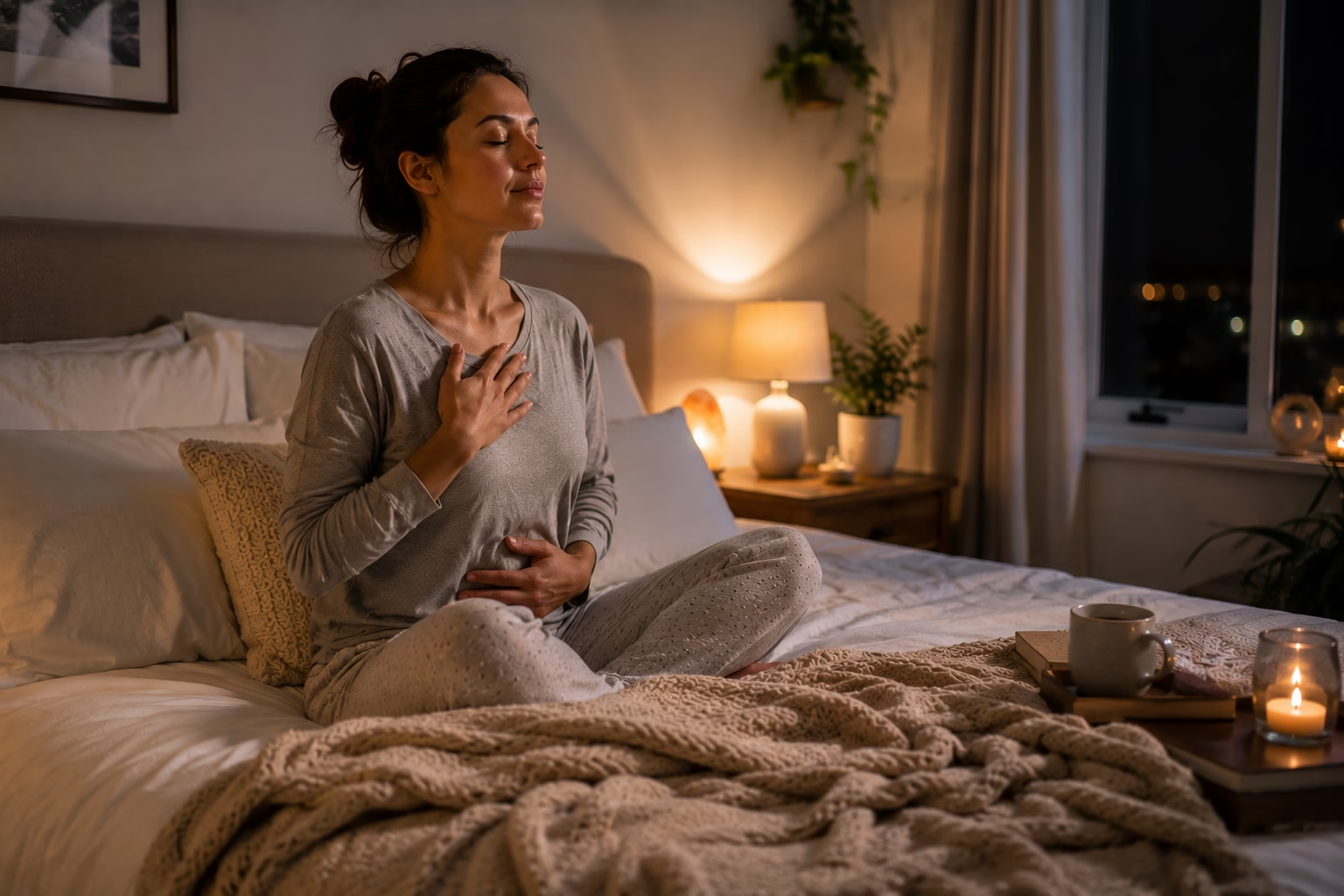
7. Try the 4-7-8 Breathing Technique
Whenever my mind is racing at bedtime, I turn to one of the simplest relaxation methods I’ve learned—the 4-7-8 breathing technique. It only takes a few minutes, doesn’t require any equipment, and helps me shift my focus away from stressful thoughts.
Deep breathing encourages your body to activate its natural relaxation response, slowing your heart rate and helping you feel calmer before sleep.
How I Practice the 4-7-8 Technique
Here’s the routine I follow:
Breathe in quietly through your nose for 4 seconds.
Hold your breath for 7 seconds.
Slowly exhale through your mouth for 8 seconds.
Repeat the cycle 3–4 times.
I don’t worry about getting the timing perfect. The goal is simply to breathe slowly and steadily until my body begins to relax.
I’ve found this especially helpful when I wake up during the night and have trouble falling back asleep.
Other Relaxation Techniques I Enjoy
If deep breathing isn’t your favorite, you could also try:
Progressive muscle relaxation.
Gentle meditation.
Guided sleep audio.
Light stretching before bed.
Mindfulness exercises.
The more consistently I practice these techniques, the easier it becomes to quiet my mind at bedtime.
Tip: Try pairing deep breathing with dim lighting and soft background music to create an even more relaxing bedtime routine.
8. Enjoy a Calming Cup of Herbal Tea
One of my favorite ways to unwind in the evening is by making a warm cup of herbal tea. It’s become a comforting part of my bedtime routine and gives me a chance to slow down before getting into bed.
While herbal teas aren’t a miracle cure for sleep problems, they can encourage relaxation and help create a peaceful evening ritual that supports better sleep.
My Favorite Bedtime Herbal Teas
Some caffeine-free teas I enjoy include:
Chamomile tea for its naturally calming properties.
Lavender tea for a soothing aroma and relaxing flavor.
Lemon balm tea to help ease everyday stress.
Passionflower tea as part of a calming bedtime routine.
Valerian root tea for occasional sleep support (if appropriate for you).
I usually enjoy my tea about 60–90 minutes before bedtime, giving my body time to relax before I head to bed.
A Few Tips That Work Well for Me
Choose caffeine-free herbal teas.
Avoid adding too much sugar.
Sip your tea slowly while reading or journaling.
Don’t drink large amounts right before bed to reduce nighttime bathroom trips.
For me, it’s not just the tea itself—it’s the entire ritual. Taking a few quiet moments away from screens helps signal that the day is ending and it’s time to rest.
Tip: Pair your evening tea with another relaxing habit, like reading a few pages of a book or writing in a gratitude journal, to create a bedtime routine you’ll actually look forward to.
9. Reserve Your Bed for Sleep
One of the simplest changes I’ve made to improve my sleep is treating my bed as a place that’s only meant for rest. For a long time, I would answer emails, scroll through social media, watch videos, and even eat snacks in bed. Without realizing it, I was teaching my brain to associate my bed with being awake instead of sleeping.
Once I started using my bed only for sleep, falling asleep became much easier.
Habits That Help Me
Here’s what I try to do every day:
Only get into bed when I’m genuinely sleepy.
Avoid working or studying in bed.
Keep meals and snacks out of the bedroom.
Limit scrolling on my phone once I’m in bed.
If I can’t fall asleep after about 20 minutes, I get up and do something relaxing until I feel sleepy again.
This simple habit helped strengthen the connection between my bed and sleep, making it easier for my body to relax each night.
Create a Sleep-Friendly Bedroom
I also try to make my bedroom a peaceful place by:
Keeping it clean and clutter-free.
Using comfortable pillows and bedding.
Keeping lighting soft and relaxing.
Avoiding unnecessary distractions.
The more inviting and peaceful my bedroom feels, the more I look forward to bedtime.
Tip: If you enjoy reading before bed, try reading in a comfortable chair and only move to your bed when you’re ready to sleep.
10. Create a Digital Sunset
One habit that made a surprisingly big difference in my sleep was putting my screens away before bed. Phones, tablets, computers, and televisions don’t just expose us to blue light—they also keep our minds active long after we should be winding down.
Whether I’m replying to messages, watching videos, or scrolling through social media, I notice it’s much harder to fall asleep afterward.
My Evening Digital Routine
To help my body prepare for sleep, I try to:
Stop checking work emails a couple of hours before bed.
Put my phone away at least one hour before bedtime.
Turn off the television and other bright screens.
Switch to relaxing activities like reading, journaling, or gentle stretching.
When I do need to use my phone or computer later in the evening, I make sure to:
Enable Night Mode or a blue light filter.
Lower the screen brightness.
Avoid exciting or stressful content.
Set a firm time to put my devices away.
I’ve also found it helpful to charge my phone outside the bedroom. That way, I’m not tempted to check notifications if I wake up during the night.
Replacing screen time with quiet activities has become one of the most relaxing parts of my evening routine, and I almost always fall asleep faster because of it.
Tip: Start with a 30-minute screen-free period before bed. Once it becomes a habit, gradually increase it to an hour if possible.
Taking care of your sleep is just as important as taking care of your health during your period. Both are essential aspects of overall wellness that deserve your attention and care.
Common Mistakes That Can Ruin Your Sleep
When I first started working on my sleep habits, I assumed simply going to bed earlier would solve the problem. Over time, I realized that several small habits were quietly working against me. Once I identified and corrected them, my sleep became much more consistent.
Here are some of the most common mistakes I try to avoid.
1. Following an Inconsistent Sleep Schedule
Going to bed at different times every night can confuse your body’s internal clock. I try to go to bed and wake up at roughly the same time each day—even on weekends—to help my body know when it’s time to sleep.
2. Using Screens Right Before Bed
Scrolling through my phone or watching TV before bed often leaves my mind feeling overstimulated. Limiting screen time before sleep has helped me fall asleep faster and wake up feeling more refreshed.
3. Drinking Caffeine Too Late
It took me a while to realize that an afternoon coffee could still affect me at bedtime. Now I avoid caffeinated drinks later in the day whenever possible.
4. Making the Bedroom Too Warm
A bedroom that’s too hot can make it difficult to stay asleep. Keeping my room cool and comfortable has been one of the easiest improvements I’ve made.
5. Eating Heavy Meals Late at Night
Going to bed feeling overly full often leaves me uncomfortable and restless. I now try to finish dinner a few hours before bedtime and choose lighter snacks if I’m hungry later.
6. Trying Too Many Sleep Tips at Once
One mistake I made was attempting to change everything overnight. That quickly became overwhelming. I’ve learned it’s much easier to build one healthy habit at a time and let it become part of my routine before adding another.
Tip: Better sleep doesn’t usually come from one big change. Small, consistent improvements are often the key to long-term success.
Frequently Asked Questions
1. How can I sleep naturally without taking sleeping pills?
I’ve found that the best approach is to build healthy sleep habits rather than looking for a quick fix. Keeping a consistent sleep schedule, creating a relaxing bedtime routine, limiting caffeine later in the day, staying active, and making your bedroom cool, dark, and quiet can all help improve sleep naturally over time.
2. How long does it take for natural sleep habits to work?
Everyone is different, but I’ve noticed that small improvements can happen within a few days. More significant changes often take two to four weeks of practicing healthy sleep habits consistently. Patience and consistency are key.
3. What should I do if I can’t fall asleep?
Instead of watching the clock or becoming frustrated, I try to stay relaxed. Deep breathing, reading a book, or journaling for a few minutes often helps me unwind. If I still can’t sleep after about 20 minutes, I get out of bed and do a quiet, relaxing activity until I feel sleepy again.
4. Does using my phone before bed really affect my sleep?
Yes. Bright screens and engaging content can make it harder to wind down at night. I’ve found that putting my phone away at least an hour before bed helps me fall asleep faster and improves the quality of my sleep.
5. Is exercise good for better sleep?
Absolutely. Regular physical activity can help you sleep more deeply and feel more rested. I personally prefer exercising earlier in the day because late-night workouts sometimes leave me feeling too energized before bedtime.
6. When should I talk to a healthcare professional about my sleep?
If you’ve consistently practiced healthy sleep habits for several weeks but still struggle to fall asleep, stay asleep, or wake up feeling exhausted, it’s a good idea to speak with a healthcare professional. Persistent sleep problems can sometimes be related to an underlying condition that may need further evaluation.
Conclusion
Getting better sleep naturally isn’t about finding one perfect solution—it’s about creating small, consistent habits that support your body’s natural sleep cycle. I’ve learned that simple changes like sticking to a regular sleep schedule, reducing screen time before bed, staying active, and creating a calm bedtime routine can make a remarkable difference over time.
You don’t have to overhaul your entire routine overnight. Start with one or two habits that feel realistic, practice them consistently, and build from there. Those small improvements can add up to deeper sleep, more energy during the day, and a healthier, more balanced lifestyle.
Remember, every person’s sleep journey is different. Be patient with yourself, celebrate your progress, and don’t be discouraged by the occasional restless night. If your sleep difficulties continue despite making healthy changes, reaching out to a healthcare professional is always a wise next step.
Here’s to peaceful nights, refreshing mornings, and giving your body the rest it deserves. Sweet dreams!
I’m Joan, and I’m so glad you’re here. Mindfully Living is a space for simple recipes, delicious desserts, everyday inspiration, and little things that make life feel more enjoyable.
For me, mindful living is about finding joy in the everyday cooking something delicious, creating a cozy home, taking care of yourself, and making time for the things that matter. Through the recipes, ideas, and inspiration I share, my hope is to help you slow down, enjoy the little moments, and create a life that feels good to live.



1 Comment
welcome