
Have you ever caught yourself rushing through your morning coffee, scrolling mindlessly through your phone, or realizing an entire week has passed in a blur? I used to live like that—constantly chasing the next big thing while missing the magic happening right in front of me. Living intentionally isn’t about overhauling your entire life overnight; it’s about slowing down, being present, and finding joy in the everyday moments that make life truly beautiful.
This guide will show you exactly how to shift from autopilot to live intentionally living, helping you rediscover wonder in the ordinary and create a life that feels meaningful, joyful, and authentically yours.
Table of Contents
Key Takeaways
1. Start Your Day with Purpose (Not Your Phone)
The first hour of your day sets the tone for everything that follows. Yet most of us reach for our phones before our feet even touch the floor, immediately flooding our minds with other people’s priorities, problems, and perspectives.
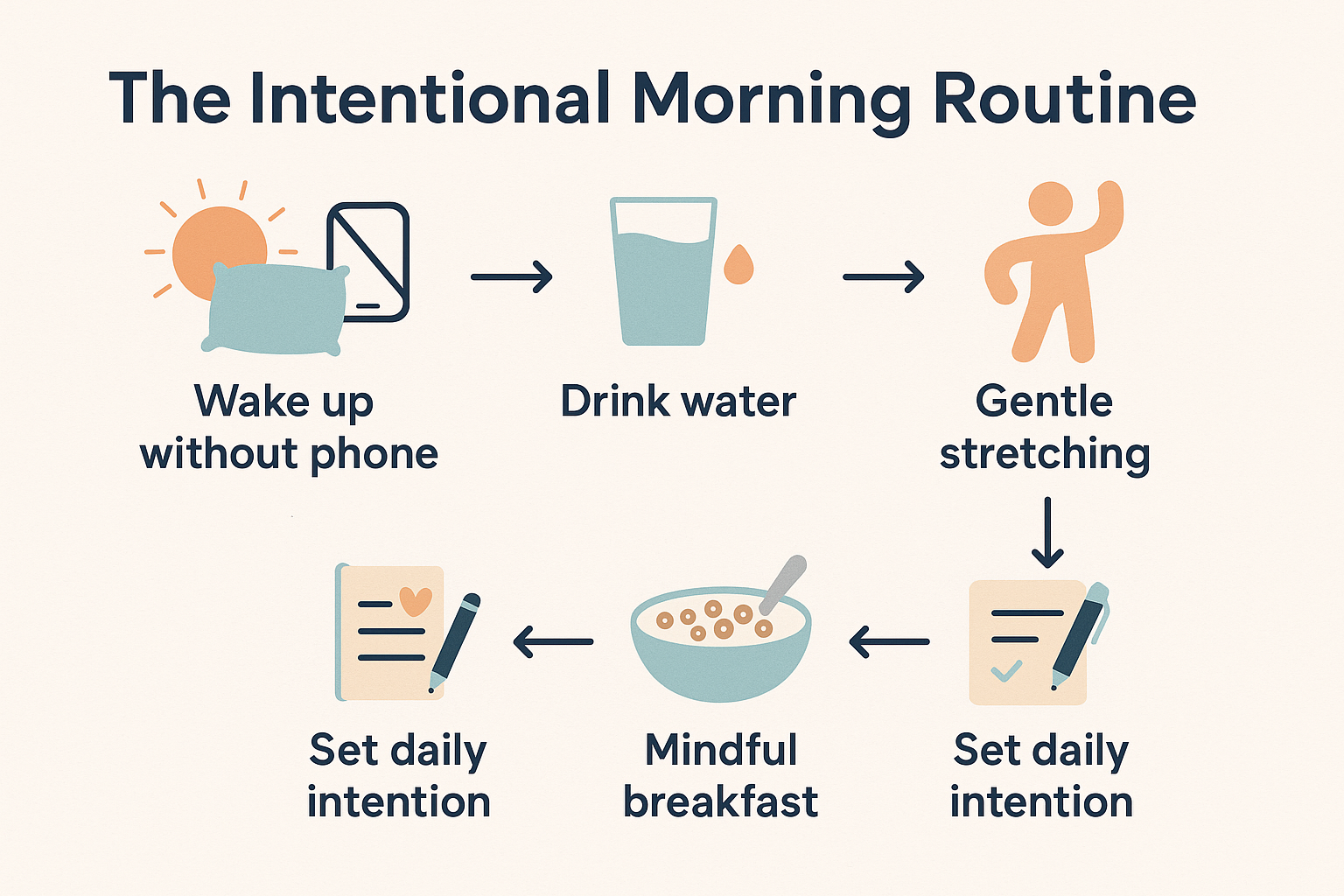
Here’s what intentional mornings look like:
I started implementing a phone-free first hour about six months ago, and honestly, it’s been transformative. Instead of anxiety being my morning companion, I now have quiet, creativity, and calm. My mind feels clearer, and I’m making decisions based on what I want, not what the algorithm thinks I should see.
Consider creating a morning routine that nourishes you. This might include journaling for self-growth, meditation, or simply sitting with your thoughts. The goal isn’t perfection—it’s intention.
—
2. Practice Mindful Moments Throughout Your Day
You don’t need to meditate for an hour on a mountaintop to experience mindfulness. Intentional living happens in the micro-moments scattered throughout your ordinary day.
Simple Mindfulness Practices:
| Activity | Mindful Approach |
|———-|——————|
| Drinking coffee/tea | Notice the warmth, aroma, and taste. Put down your phone. |
| Walking | Feel your feet connecting with the ground. Notice your surroundings. |
| Eating | Chew slowly. Appreciate flavors and textures. |
| Showering | Feel the water temperature. Enjoy the sensation. |
| Breathing | Take three deep breaths before transitions. |
The beauty of these practices is that they’re already part of your day—you’re just bringing awareness to them. When I consciously savor my morning coffee instead of gulping it down while checking emails, that five-minute ritual becomes a genuine source of pleasure rather than just another task to complete.
Try this: Set random alarms on your phone labeled “breathe” or “notice.” When they go off, pause whatever you’re doing and take three conscious breaths. It’s a simple pattern interrupt that brings you back to the present moment.
—
3. Define Your Core Values and Align Your Actions
Living intentionally requires knowing what you’re being intentional about. Without clarity on your values, you’ll drift through life responding to whatever’s loudest rather than what matters most.
Your core values are your compass. They help you make decisions, set boundaries, and prioritize your time and energy.
How to Identify Your Core Values:
Once you’ve identified your values, the real work begins: aligning your daily actions with them. If family is a core value but you’re working 70-hour weeks, there’s a disconnect. If health matters but you’re surviving on three hours of sleep, something needs to shift.
I use vision boarding to keep my values visible and top-of-mind. When my actions drift from my values, I feel it immediately—a sense of unease, emptiness, or exhaustion that no amount of external success can fill.
—
4. Create Rituals That Anchor You
Rituals transform mundane activities into meaningful moments. Unlike habits (which we do automatically), rituals are intentional practices infused with presence and purpose.
Powerful Daily Rituals to Consider:
Morning rituals:
Evening rituals:
Weekly rituals:
The key is consistency and consciousness. When I do my evening skincare routine, I’m not just cleansing my face—I’m releasing the day’s stress, honoring my body, and preparing for restorative sleep. This shift in perspective transforms a basic task into a cherished ritual.
5. Eliminate, Automate, or Delegate What Doesn’t Serve You
Intentional living requires intentional subtraction. You can’t enjoy the little things when you’re drowning in obligations, clutter, and commitments that drain your energy.
The Ruthless Prioritization Framework:
Eliminate:
Automate:
Delegate:
Every “yes” to something is a “no” to something else. When you say yes to scrolling social media for an hour, you’re saying no to reading that book, calling your friend, or taking a walk. Make sure your yeses reflect your values.
I did a massive life audit last year and realized I was on three committees I didn’t care about, subscribed to services I never used, and maintaining friendships that felt obligatory rather than nourishing. Letting go felt scary at first, but the space it created allowed me to invest in what truly matters.
6. Slow Down and Build in Buffer Time
We’ve been conditioned to believe that every minute should be productive, every gap in our schedule should be filled. But margin is where life happens. It’s in the unscheduled moments that spontaneous joy, creativity, and connection emerge.
How to Build More Margin:
When I started building 15-minute buffers between meetings, everything changed. I could actually process what happened in the previous conversation, use the bathroom, grab water, and arrive at the next commitment present rather than frazzled. Those small pockets of time became tiny gifts throughout my day.
Remember: being busy is not the same as being productive or fulfilled. Sometimes the most intentional thing you can do is nothing at all.
—
7. Cultivate Gratitude as a Daily Practice
Gratitude isn’t just a feel-good concept—it’s a scientifically-proven practice that rewires your brain to notice more of what’s going right. When you train your mind to look for the good, you’ll find it everywhere.
Practical Gratitude Practices:
Morning gratitude:
Gratitude walks:
Gratitude jar:
Evening reflection:
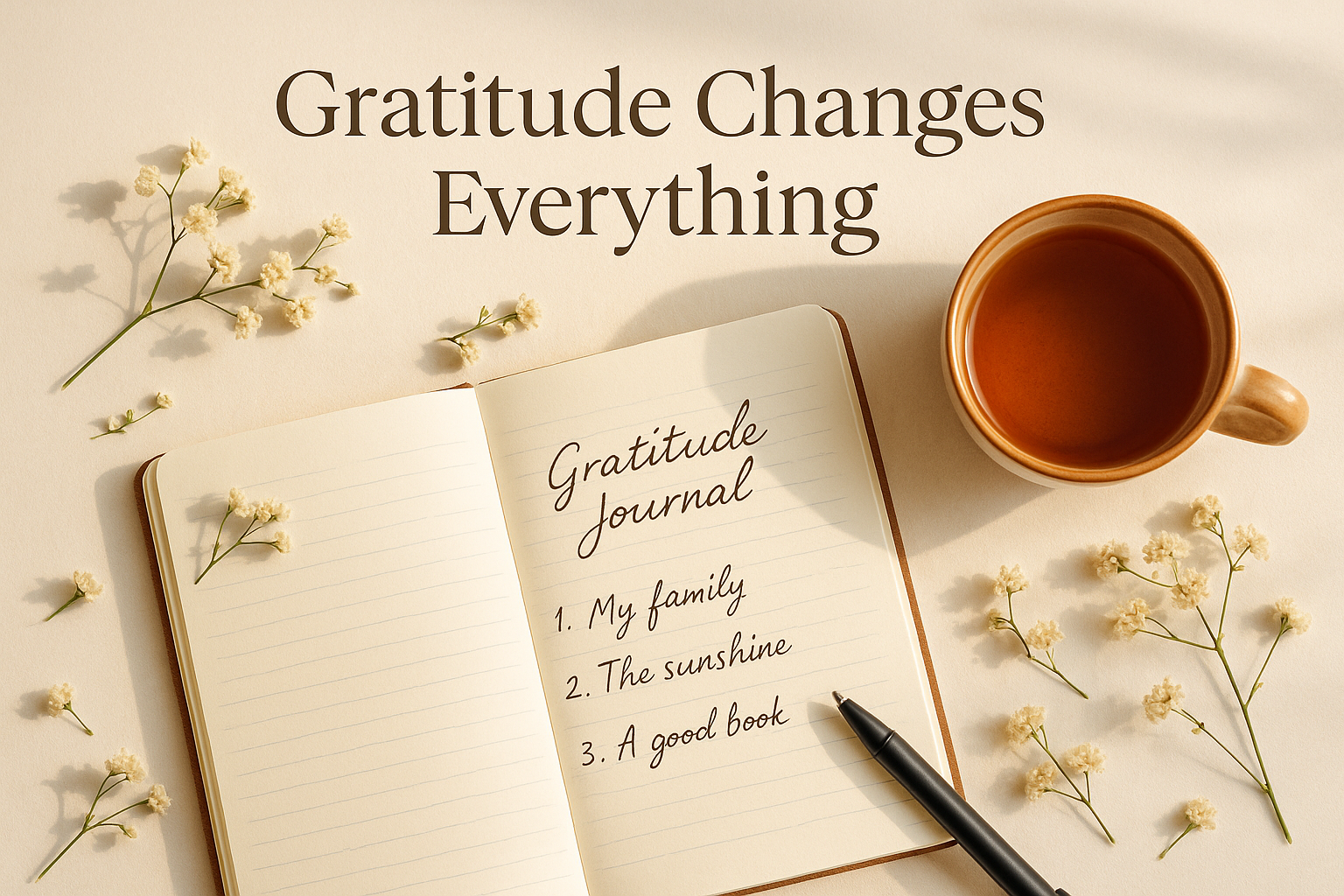
I keep a gratitude journal by my bed, and even on the hardest days, I can find three things—the way my coffee tasted, a kind text from a friend, the fact that I have clean water. This practice has genuinely shifted my baseline happiness. Instead of focusing on what’s missing, I notice what’s present.
Pair this with other self-love habits to create a foundation of genuine well-being.
—
8. Engage Your Senses Fully
We experience life through our senses, yet we spend most of our time in our heads—thinking about the past, worrying about the future, or mentally elsewhere. Returning to your senses is an instant portal to the present moment.
Sensory Awareness Practices:
Sight:
Sound:
Touch:
Taste:
Smell:
Try the “5-4-3-2-1 grounding technique” when you feel overwhelmed: Notice 5 things you can see, 4 you can touch, 3 you can hear, 2 you can smell, and 1 you can taste. It immediately brings you back to the present.
—
9. Invest in Experiences Over Things
Research consistently shows that experiences bring more lasting happiness than possessions. The new phone loses its shine in weeks, but the memory of watching sunrise with someone you love stays with you forever.
This doesn’t mean you need to travel the world or spend lots of money. Little experiences count too:
I’ve started prioritizing “experience budgets” over “stuff budgets.” Instead of buying more clothes I don’t need, I invest in concert tickets, cooking classes, or weekend getaways. The joy is deeper and longer-lasting, plus I’m creating memories instead of clutter.
Make ordinary moments extraordinary by bringing full presence to them. A regular Tuesday dinner becomes special when you light candles, play music, and actually talk without phones at the table.
—
10. Prioritize Rest and Recovery
In a culture that glorifies hustle, rest is a revolutionary act. You cannot live intentionally when you’re exhausted, burned out, or running on empty.
Rest Isn’t Lazy—It’s Essential:
I used to wear my exhaustion like a badge of honor. Now I understand that rest isn’t earned—it’s required. When I’m well-rested, I’m more present, creative, patient, and joyful. I can actually enjoy the little things instead of just surviving them.
Consider establishing healthy habits that support your overall well-being, including adequate rest and recovery time.
—
11. Create Boundaries with Technology
Technology is a tool, but for many of us, it’s become a tyrant. Intentional living requires intentional technology use—making conscious choices about when, how, and why we engage with our devices.
Digital Boundaries to Consider:
Time boundaries:
Space boundaries:
App boundaries:
Relationship boundaries:
I now keep my phone in a drawer during focused work and family time. The first few days felt uncomfortable—like phantom vibrations and FOMO. But now? The freedom is incredible. I’m no longer a slave to every ping and notification. I control my attention rather than letting algorithms control it.
—
12. Connect Deeply with Nature
Nature is the original mindfulness teacher. Trees don’t rush. Rivers flow at their own pace. Flowers bloom when they’re ready. Spending time in nature reconnects us with natural rhythms and reminds us that we’re part of something much larger.
Ways to Connect with Nature:
I’ve made it a non-negotiable to spend at least 20 minutes outside every day, regardless of weather. On rushed days, it’s a quick walk around the block. On spacious days, it’s a long hike. But that daily dose of fresh air, natural light, and connection with the living world keeps me grounded and grateful.
Even if you live in a city, you can find pockets of nature—a park, a tree-lined street, a community garden. The benefits are profound: reduced stress, improved mood, increased creativity, and a deeper sense of belonging to the world.
—
13. 💬 Nurture Meaningful Relationships
At the end of your life, you won’t remember your best day at the office or how many followers you had. You’ll remember the people you loved and the moments you shared. Intentional living means investing in relationships that matter.
How to Deepen Connections:
Quality over quantity:
Vulnerability and authenticity:
Acts of love and service:
Boundaries and honesty:
I’ve started having “no-agenda hangs” with friends—just being together without needing to do something impressive or Instagram-worthy. Some of my favorite memories from this year are simple: making dinner together, sitting on a porch talking for hours, or going for a walk with no destination.
When you’re feeling overwhelmed, remember that self-care includes setting boundaries in relationships and prioritizing your well-being.
—
14. Practice Single-Tasking Instead of Multitasking
Despite what we’ve been told, multitasking is a myth. What we’re actually doing is task-switching, and it’s making us less effective, more stressed, and unable to enjoy anything fully.
The Power of Single-Tasking:
When you do one thing at a time with full attention:
How to practice single-tasking:
I used to pride myself on juggling multiple things at once. Now I realize I was doing everything poorly and enjoying nothing. When I write, I write. When I cook, I cook. When I’m with my family, I’m fully there. The quality of my work and my life has dramatically improved.
—
15. Celebrate Small Wins and Progress
We’re so focused on the destination that we forget to acknowledge the journey. Intentional living means recognizing and celebrating progress, not just achievements.
What to Celebrate:
Create celebration rituals:
I started keeping a “ta-da list” instead of just a to-do list—writing down what I accomplished each day. On days when I feel like I got nothing done, I can look back and see evidence that I actually did quite a lot. This simple practice has boosted my motivation and self-compassion tremendously.
Remember, romanticizing your life includes celebrating yourself and finding joy in your everyday accomplishments.-
Conclusion: Your Invitation to Live Fully
Living intentionally and enjoying the little things isn’t about achieving perfection or completely transforming your life overnight. It’s about making small, conscious choices that bring you back to the present moment and align your daily actions with what truly matters to you.
You don’t need to implement all 15 of these practices at once. In fact, please don’t—that would defeat the purpose of slowing down and being intentional! Instead, choose one or two that resonate most deeply and start there. Build slowly, with compassion for yourself.
s. The way you spend your days is the way you spend your life. Every moment is an opportunity to choose presence over autopilot, intention over reaction, gratitude over complaint.
Start now. Not tomorrow, not Monday, not when conditions are perfect. Put down your phone. Take three deep breaths. Notice something beautiful around you. Feel your feet on the ground. You’re alive, right here, right now. That’s where the magic is.
What one small thing will you do today to live intentionally? The answer to that question is the beginning of everything.


