
Starting a journaling practice can feel overwhelming when staring at a blank page. Whether you’re looking to boost your mental health, track personal growth, or simply create a meaningful daily ritual, journaling offers countless benefits for your wellbeing. The key is knowing where to begin and having fresh ideas to keep your practice engaging and purposeful.
Journaling isn’t just about recording daily events—it’s a powerful tool for self-discovery, stress relief, and creative expression. From gratitude lists to dream tracking, the possibilities are endless. The beauty of journaling lies in its flexibility; there’s no right or wrong way to do it, making it perfect for beginners who want to explore different approaches.
Table of Contents
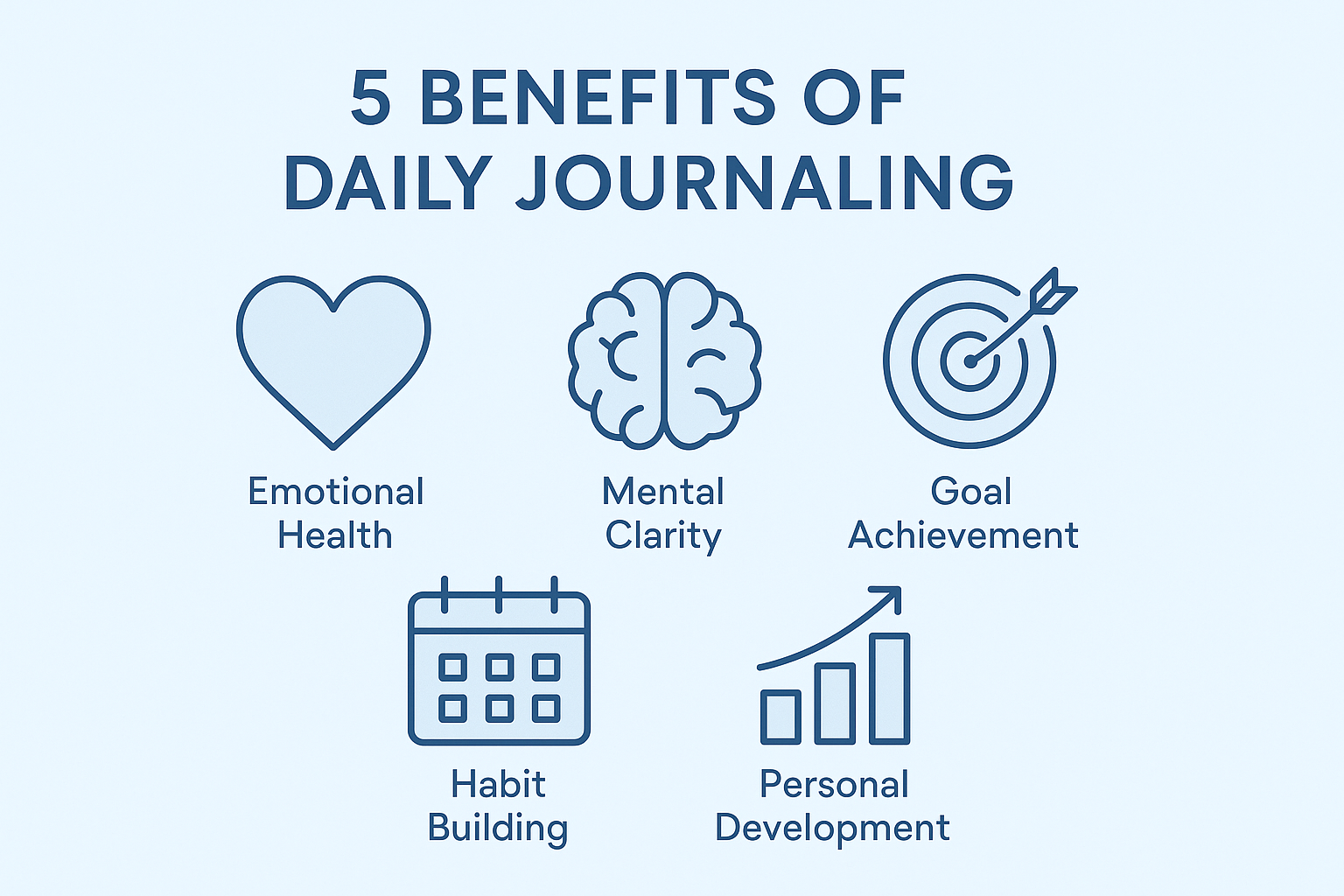
Key Takeaways
• Start simple: Basic prompts like daily gratitude and mood tracking are perfect entry points for new journalers
• Variety keeps it fresh: Mixing different journaling styles prevents boredom and helps you discover what resonates most
• Consistency matters more than perfection: Even five minutes of journaling daily creates more benefits than occasional lengthy sessions
• Personal growth accelerates: Regular journaling enhances self-awareness, emotional intelligence, and goal achievement
• No special tools required: Any notebook and pen can begin your transformative journaling journey today
Getting Started: The Foundation of Your Journaling Practice
Before diving into specific ideas, it’s helpful to understand that journaling is a personal journey. Some people prefer structured prompts, while others enjoy free-flowing thoughts. The key is experimenting with different approaches to find what feels natural and sustainable for your lifestyle.
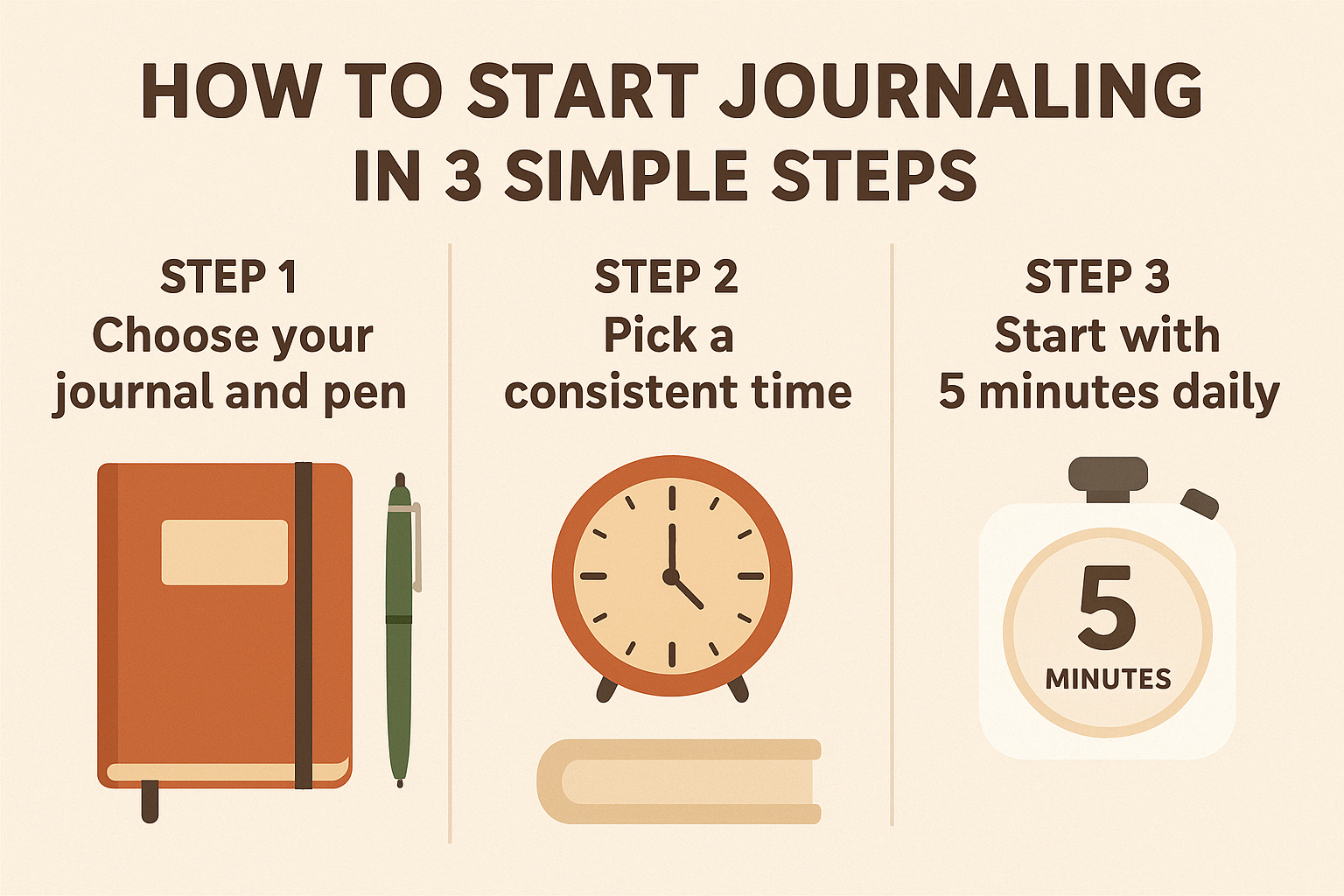
Essential Tips for Journaling Success:
- Choose a consistent time of day
- Keep your journal easily accessible
- Don’t worry about perfect grammar or handwriting
- Be honest and authentic in your entries
- Start with just 5-10 minutes daily
37 Inspiring Journaling Ideas for Beginners
Gratitude and Positivity Focused
1. Daily Three Gratitudes 📝
Write down three things you’re grateful for each day. They can be as simple as a warm cup of coffee or as significant as a promotion at work.
2. Positive Moments Recap
Document the best part of your day, no matter how small. This practice trains your brain to notice and appreciate positive experiences.
3. Kindness Journal
Record acts of kindness you witnessed, received, or performed. This cultivates compassion and highlights the good in humanity.
4. Weekly Wins Celebration
Every Sunday, list your accomplishments from the week, including small victories that might otherwise go unnoticed.
5. Compliment Collection
Write down compliments you received or positive feedback about your work or character. Review these during challenging times.
Self-Discovery and Reflection
6. Values Exploration
Reflect on what matters most to you. Write about times when you felt most aligned with your core values.
7. Childhood Memories
Explore formative experiences from your past. What lessons did you learn? How do they influence you today?
8. Future Self Visualization
Describe who you want to become in five years. Include details about your lifestyle, relationships, and achievements.
9. Personal Strengths Inventory
List your talents, skills, and positive qualities. Include examples of how you’ve used these strengths recently.
10. Fear Examination
Write about your fears and anxieties. Often, putting them on paper reduces their power and helps you develop coping strategies.
Goal Setting and Achievement
11. Monthly Intention Setting
At the beginning of each month, write about your intentions and goals. Review and adjust as needed throughout the month.
12. Habit Tracker Reflections
Document your progress on healthy habits you’re building, noting what’s working and what needs adjustment.
13. Dream Board Planning
Create written versions of vision board ideas by describing your goals and aspirations in detail.
14. Learning Log
Record new things you’ve learned each day, whether from books, conversations, or experiences.
15. Challenge Documentation
Write about obstacles you’re facing and brainstorm potential solutions. Track your progress as you work through difficulties.
Emotional Processing and Mental Health
16. Mood Tracking with Context
Rate your mood daily and explore what factors influenced how you felt. Look for patterns over time.
17. Stress Release Writing
When feeling overwhelmed, write stream-of-consciousness style for 10 minutes. Don’t edit or censor yourself.
18. Emotion Naming Practice
Practice emotional vocabulary by identifying and describing your feelings with specific, nuanced words.
19. Trigger Awareness Journal
Document situations that trigger strong emotional responses, helping you develop better self-awareness and coping mechanisms.
20. Self-Compassion Letters
Write kind, understanding letters to yourself during difficult times, as you would to a good friend.
Creativity and Inspiration
21. Random Word Prompts
Choose a random word and write about whatever comes to mind. This exercises creative thinking and free association.
22. Character Creation
Invent fictional characters and write about their lives, backgrounds, and adventures.
23. Alternative History Scenarios
Explore “what if” questions about your life or historical events. Let your imagination run wild.
24. Sensory Experiences
Describe your environment using all five senses. This enhances mindfulness and descriptive writing skills.
25. Quote Reflections
Find inspiring quotes and write about how they relate to your life or current situation.
Relationships and Social Connections
26. Relationship Appreciation
Write about people who positively impact your life. Consider sharing these thoughts with them directly.
27. Communication Improvement
Reflect on recent conversations. What went well? What could you improve in future interactions?
28. Boundary Setting Practice
Document situations where you need to establish or maintain healthy boundaries in relationships.
29. Social Energy Assessment
Track how different social situations and people affect your energy levels and mood.
30. Conflict Resolution Planning
When facing relationship challenges, write about different perspectives and potential solutions.
Lifestyle and Daily Living
31. Morning Intention Setting
Begin each day by writing about your priorities and how you want to show up in the world.
32. Evening Reflection Ritual
End your day by reviewing what happened, what you learned, and how you grew.
33. Seasonal Living Journal
Document how you want to embrace each season, including activities, foods, and traditions to enjoy.
34. Intentional Living Assessment
Regularly evaluate whether your daily choices align with your values and long-term goals.
35. Energy Management Tracking
Note when you feel most energetic and productive, then plan your schedule accordingly.
Unique and Creative Approaches
36. Letter to Past Self
Write letters to yourself at different ages, offering wisdom, encouragement, or simply sharing your current perspective.
37. Parallel Universe Exploration
Imagine how your life might be different if you’d made alternative choices. This can provide insights into your current path.
Making Journaling a Sustainable Habit
The most effective journaling practice is one you’ll actually maintain. Here are strategies to build consistency:
Start Small and Build Gradually
Begin with just five minutes daily rather than attempting lengthy sessions that might feel overwhelming.
Create Environmental Cues
Keep your journal and a favorite pen in a visible location where you’ll naturally encounter them.
Link to Existing Habits
Attach journaling to an established routine, such as having your morning coffee or preparing for better sleep.
Embrace Imperfection
Remember that journaling is a practice, not a performance. Some entries will be profound, others mundane—both have value.
Overcoming Common Journaling Obstacles
“I don’t know what to write about”
Use powerful journal prompts or choose from the 37 ideas above. Having options eliminates decision fatigue.
“I don’t have time”
Even two minutes of bullet-point journaling provides benefits. Quality matters more than quantity.
“My handwriting is terrible”
Journaling isn’t about penmanship—it’s about self-expression. Consider digital options if handwriting feels like a barrier.
“I’m not a good writer”
Journaling is for your eyes only. Focus on authenticity rather than literary merit.
Advanced Techniques for Growing Journalers
As your practice develops, consider these enhanced approaches:
Theme Months
Dedicate each month to exploring a specific topic, such as relationships, career goals, or creative expression.
Seasonal Reflections
Quarterly reviews help track long-term patterns and growth over time.
Integration with Other Practices
Combine journaling with meditation, romanticizing your daily life, or other mindfulness activities.
Photo Journaling
Include images, sketches, or mementos to create a multi-dimensional record of your experiences.
The Science Behind Journaling Benefits
Research consistently demonstrates journaling’s positive impact on mental and physical health:
- Stress Reduction: Writing about stressful events helps process emotions and reduce cortisol levels
- Improved Immune Function: Regular journaling has been linked to better immune system response
- Enhanced Emotional Intelligence: Self-reflection through writing increases self-awareness and empathy
- Better Problem-Solving: Writing clarifies thoughts and often reveals solutions to challenges
- Increased Gratitude: Gratitude journaling specifically improves overall life satisfaction
Creating Your Personal Journaling Style
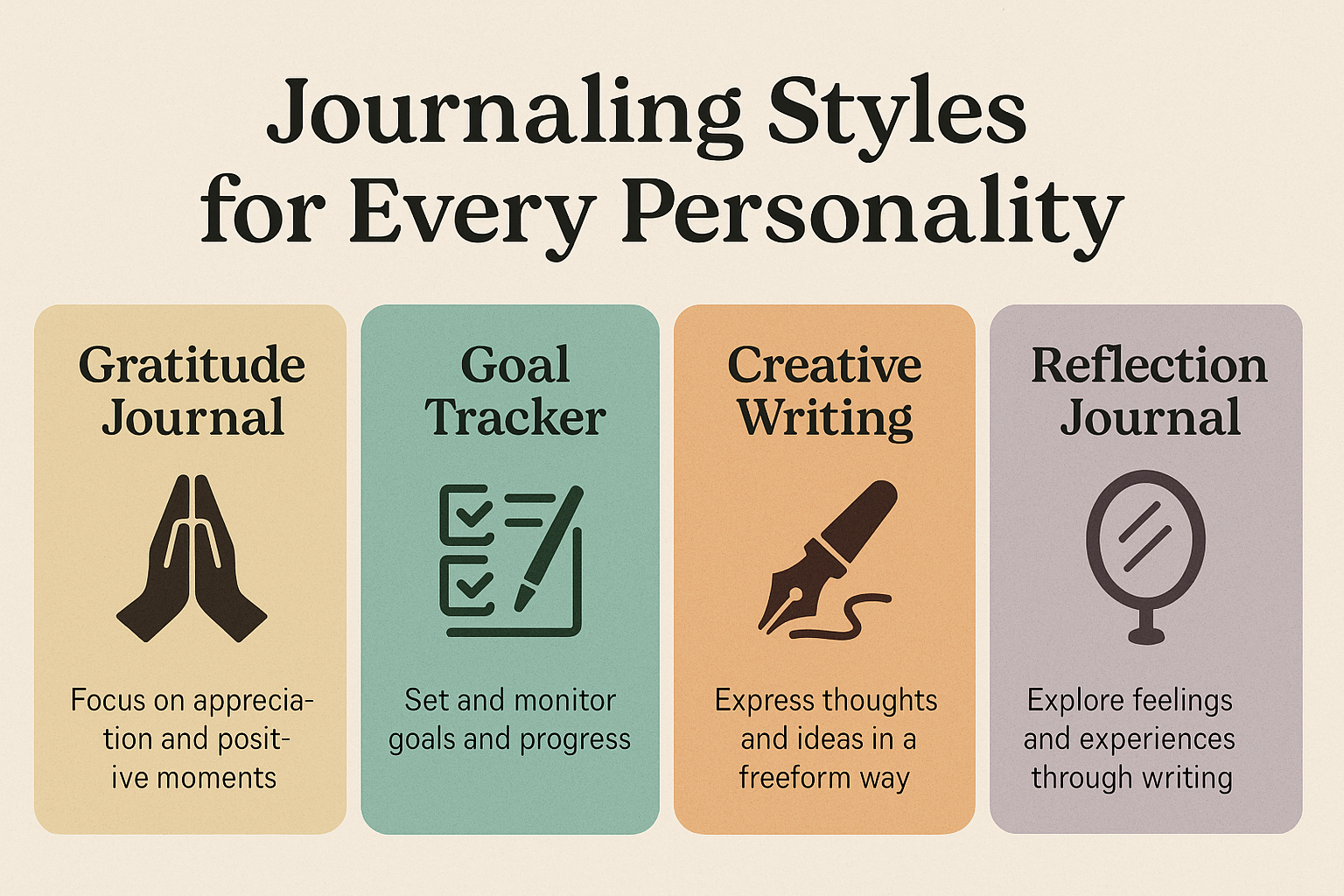
After experimenting with various approaches, you’ll naturally gravitate toward certain styles. Some people prefer:
Structured Formats
- Bullet journaling with symbols and short entries
- Template-based approaches with consistent categories
- Goal-oriented tracking systems
Free-Form Expression
- Stream-of-consciousness writing
- Artistic combinations of words and images
- Poetry or creative writing exercises
Hybrid Approaches
- Mixing structured prompts with free writing
- Seasonal variations in journaling style
- Different approaches for different life circumstances
Building a Journaling Community
While journaling is inherently personal, connecting with others can enhance your practice:
Online Communities
Join social media groups or forums dedicated to journaling for inspiration and accountability.
Local Meetups
Some areas have journaling circles or writing groups that meet regularly.
Sharing Selectively
Consider sharing meaningful insights with trusted friends or family members when appropriate.
Teaching Others
Introducing friends to journaling can deepen your own understanding and commitment to the practice.
Conclusion
Journaling offers an accessible path to greater self-awareness, emotional wellbeing, and personal growth. With these 37 ideas, you have enough inspiration to journal for over a month without repeating an approach. The key is starting simple, staying consistent, and remaining open to discovering what works best for your unique personality and lifestyle.
Remember that your journaling practice will evolve over time. What resonates with you today might change as you grow and face new life circumstances. Embrace this evolution as part of your personal development journey.
Ready to begin? Choose one idea from this list and commit to trying it for the next seven days. Notice how this simple practice begins to shift your perspective and enhance your daily experience. Your future self will thank you for starting this transformative habit today.
Whether you’re seeking clarity during a transition, wanting to cultivate more gratitude, or simply curious about the benefits of regular self-reflection, journaling provides a powerful tool for creating positive change in your life. Start where you are, use what you have, and begin the beautiful practice of documenting your unique human experience.


