
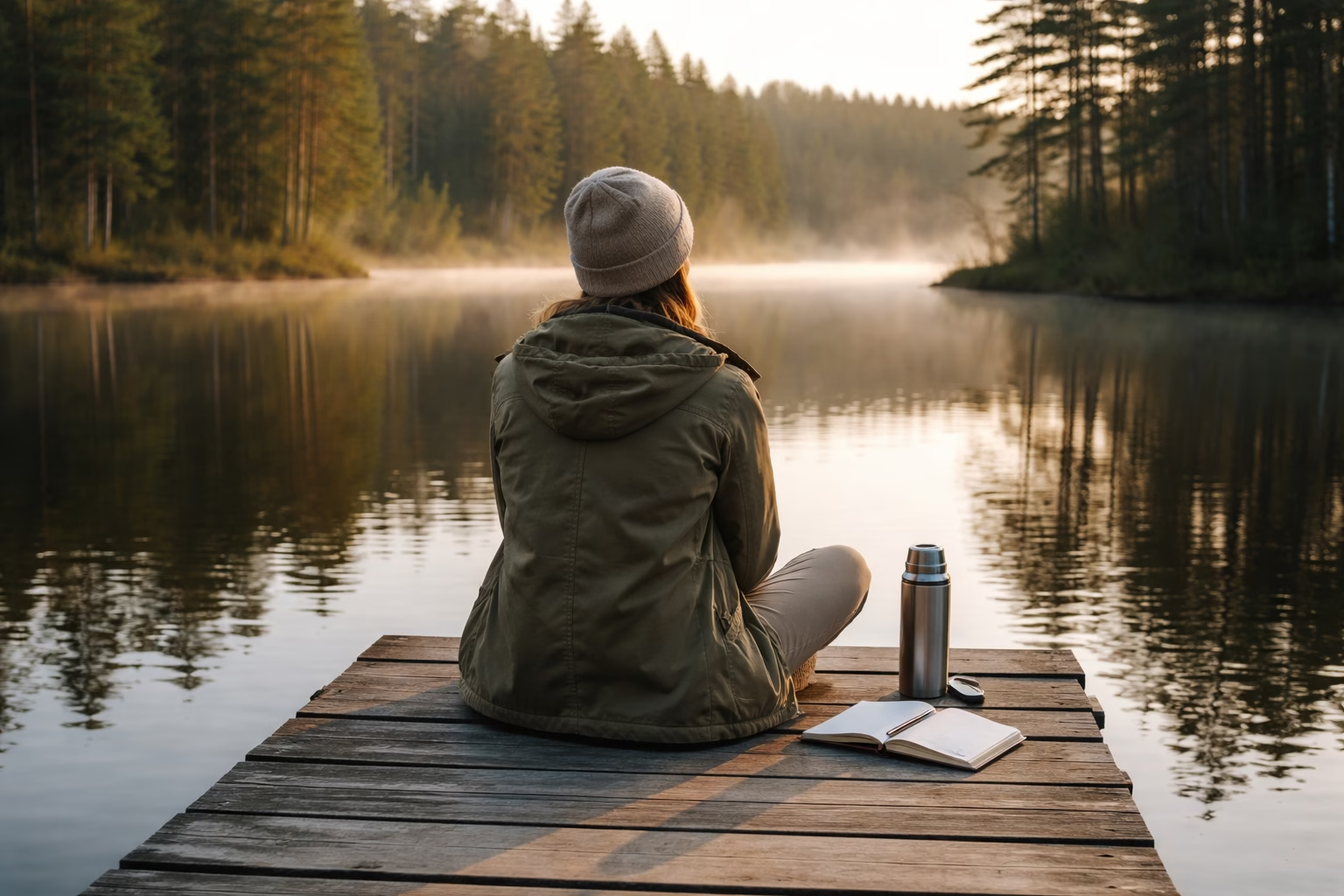
Spending time outdoors alone offers powerful benefits for mental clarity, physical health, and personal growth. The 12 things to do outside by yourself range from active pursuits like hiking and cycling to creative activities like nature photography and sketching, plus mindful practices such as meditation and stargazing. Each activity can be tailored to your fitness level, interests, and available time, making solo outdoor time accessible to everyone.
Why Should You Spend Time Outside by Yourself?
Spending time outdoors alone creates space for self-discovery and mental restoration that group activities simply can’t match. When you’re by yourself in nature, you set the pace, choose the direction, and listen to your own thoughts without distraction.
Research shows that solo time in natural settings reduces cortisol levels and improves mood more effectively than indoor activities. You’re free to stop and observe a bird, sit on a rock for twenty minutes, or change your route on a whim—all without explaining yourself to anyone.
Benefits you’ll notice:
- Mental clarity: Your mind processes thoughts and emotions more effectively without social demands
- Authentic decision-making: You learn what you genuinely enjoy versus what you do to please others
- Increased confidence: Successfully navigating solo adventures builds self-reliance
- Deeper nature connection: You notice details—sounds, scents, wildlife—that conversation typically masks
- Flexible pacing: Rest when tired, push harder when energized, all on your terms
Solo outdoor time isn’t about isolation—it’s about intentional solitude that refreshes you for meaningful connections later. If you’re looking for more ways to reset and recharge, check out these 25 things to do at the start of the week for a fresh reset.
What Are the Best Active Things to Do Outside by Yourself?
Active solo outdoor pursuits combine physical fitness with the freedom to challenge yourself at your own pace. These activities get your heart pumping while providing the mental benefits of nature immersion.
1. Hiking Solo
Hiking alone lets you choose trails that match your mood and fitness level without compromise. Start with well-marked local trails and gradually progress to more challenging terrain as your confidence grows.
Getting started:
- Download offline trail maps on apps like AllTrails
- Share your route and expected return time with someone
- Pack the ten essentials: navigation, sun protection, insulation, illumination, first aid, fire, repair kit, nutrition, hydration, and emergency shelter
- Choose populated trails initially until you’re comfortable with solo navigation

2. Cycling Adventures
Biking alone gives you the speed to cover more ground while maintaining the flexibility to stop whenever something catches your eye. Road cycling, mountain biking, or casual bike path rides all work beautifully solo.
Common mistake to avoid: Don’t skip mechanical basics. Learn to fix a flat tire and carry a basic repair kit—being stranded alone is no fun.
3. Trail Running
Running on natural terrain engages your body differently than pavement pounding. The varied surfaces strengthen stabilizer muscles while the scenery keeps your mind engaged.
Choose trail running if you want a vigorous workout that feels less monotonous than road running. The technical demands of navigating roots and rocks keep you present and focused.
4. Kayaking or Paddleboarding
Solo paddling on calm water creates a meditative rhythm while providing an excellent upper body workout. Lakes, slow rivers, and protected coastal areas offer ideal conditions for beginners.
Safety consideration: Always wear a properly fitted life jacket and stay within swimming distance of shore until you’ve mastered self-rescue techniques.
5. Rock Climbing (Bouldering)
Bouldering, climbing shorter routes without ropes, is perfectly suited for solo practice. Many outdoor bouldering areas have established problems where you’ll find other climbers nearby, providing an informal safety network.
Start at indoor climbing gyms to learn techniques, then transition to outdoor bouldering areas with crash pads for protection.
What Creative Activities Can You Do Outside Alone?
Creative outdoor pursuits engage different parts of your brain while connecting you deeply with your environment. These activities slow you down and sharpen your observation skills.
6. Nature Photography
Photography transforms casual walks into purposeful expeditions. You’ll notice light, patterns, and details that typically escape attention when you’re searching for the perfect shot.
Quick start guide:
- Your smartphone camera is sufficient; don’t wait for expensive gear
- Focus on one subject type per outing (wildflowers, tree bark textures, water reflections)
- Shoot during golden hour (first hour after sunrise, last hour before sunset) for dramatic lighting
- Practice composition rules like the rule of thirds
7. Outdoor Sketching and Painting
Drawing or painting outdoors forces you to observe subjects you’ll see more in thirty minutes of sketching than in hours of casual looking. Watercolors, pencils, or even a simple pen and notebook work perfectly.
Choose outdoor art if you want to slow down and truly see your surroundings. The process matters more than creating museum-quality work.
8. Nature Journaling
Combining sketches, written observations, and collected specimens (pressed leaves, feathers), nature journaling creates a personal record of your outdoor experiences. This practice deepens your ecological knowledge as you return to favorite spots across seasons.
What to include:
- Date, time, location, and weather conditions
- Species you observe (use identification apps like Merlin for birds or iNaturalist for plants)
- Sensory details—sounds, scents, temperature
- Quick sketches or pressed specimens
- Personal reflections
What Mindful Things to Do Outside by Yourself Promote Wellness?
Contemplative outdoor activities combine gentle movement or stillness with intentional awareness, creating powerful stress relief and mental restoration.
9. Outdoor Meditation and Yoga
Practicing yoga or meditation outside adds natural sounds, fresh air, and varied scenery to your routine. Parks, beaches, or even your backyard work perfectly.
Find a quiet spot, bring a mat or towel, and practice for 15-30 minutes. Morning sessions energize you for the day, while evening practice helps you unwind. For more morning inspiration, explore this ultimate 5 AM morning routine.
10. Mindful Walking
Walking meditation combines slow, deliberate movement with focused awareness of each step, breath, and sensation. Unlike hiking for distance, mindful walking emphasizes presence over destination.
How to practice:
- Walk slower than normal, paying attention to how your feet contact the ground
- Coordinate breath with steps (inhale for four steps, exhale for four steps)
- When your mind wanders, gently return focus to physical sensations
- Practice for 10-20 minutes in a quiet natural area
11. Birdwatching
Birdwatching teaches patience and attentiveness while connecting you with the seasonal rhythms of your local ecosystem. You don’t need expensive binoculars to start—many birds can be identified by sound and behavior alone.
Beginner tips:
- Start in your own yard or local park
- Learn five common species first, then gradually expand
- Use the free Merlin Bird ID app for instant identification
- Early morning offers the most bird activity
What Adventure-Based Things to Do Outside by Yourself to Build Confidence?
Solo adventures push you slightly outside your comfort zone, building self-reliance and creating memorable experiences that boost confidence.
12. Solo Camping
Spending a night outdoors alone represents a meaningful milestone for many people. Start with car camping at established campgrounds before progressing to backcountry sites.
Progressive approach:
- First time: Camp at a busy campground where other campers are nearby
- Second time: Choose a quieter campground or arrive mid-week
- Advanced: Backpack to a backcountry site (after gaining navigation and wilderness skills)
Essential skills to learn first:
- Setting up your tent or shelter
- Food storage to prevent wildlife encounters
- Leave No Trace principles
- Basic navigation with a map and a compass
Solo camping forces you to rely on your own problem-solving skills while offering unmatched stargazing and quiet reflection time.
How Do You Stay Safe During Solo Outdoor Activities?
Safety planning transforms solo outdoor time from risky to responsible. Most incidents are preventable with proper preparation and common-sense precautions.
Core safety practices:
- Share your plans: Tell someone your destination, route, and expected return time
- Check conditions: Review weather forecasts and trail reports before heading out
- Carry essentials: Water, snacks, first aid kit, phone/battery pack, whistle, headlamp
- Know your limits: Choose activities and difficulty levels that match your current fitness and skill level
- Trust your instincts: If something feels wrong, turn back there’s always another day
- Start small: Build confidence with shorter, easier outings before tackling ambitious adventures
Choose activities with built-in safety margins: Populated trails over remote wilderness for beginners, calm water over challenging rapids, established climbing areas over unexplored cliffs.
If you’re new to outdoor activities, consider taking a wilderness first aid course and practicing navigation skills in familiar areas before venturing into unknown territory.
What Equipment Do You Need for Solo Outdoor Activities?
Most solo outdoor activities require minimal specialized gear, especially when you’re starting. Focus on essentials first and add specialized equipment as you discover what activities you enjoy most.
Universal essentials for any outdoor activity:
- Hydration: Reusable water bottle or hydration bladder
- Navigation: Phone with offline maps, compass, physical map for remote areas
- Sun protection: Sunscreen, hat, sunglasses
- Layers: Clothing you can add or remove as the temperature changes
- Emergency supplies: Basic first aid kit, whistle, emergency blanket
- Nutrition: Energy bars, trail mix, or other portable snacks
- Communication: Fully charged phone; consider a satellite communicator for remote areas
Activity-specific gear:
- Hiking: Comfortable boots or trail shoes, trekking poles for stability
- Cycling: Helmet, repair kit, bike pump
- Paddling: Life jacket (non-negotiable), paddle, dry bag for valuables
- Photography: Camera or smartphone, extra batteries
- Sketching: Portable sketchbook, pencils or watercolors, folding stool
Budget-friendly approach: Borrow or rent specialized equipment until you’re certain you’ll use it regularly. Many outdoor retailers and community programs offer rental options for kayaks, bikes, camping gear, and more.
How Can You Find the Best Solo Outdoor Spots Near You?
Discovering great locations for solo outdoor activities doesn’t require extensive research or travel to famous destinations. The best spots are often surprisingly close to home.
Research strategies:
- AllTrails app: Search by location, difficulty, and activity type with user reviews and photos
- Local parks department: Many maintain websites with trail maps and facility information
- Social media: Search location tags on Instagram for visual previews of nearby spots
- Outdoor retailers: Staff often have insider knowledge about local trails and conditions
- Library resources: Many libraries have regional hiking and outdoor activity guidebooks
What makes a good solo spot:
- Clear trails or routes that minimize navigation challenges
- Moderate traffic: Not deserted (safety) but not overcrowded (solitude)
- Cell service or established check-in points for beginners
- Varied difficulty options so you can progress gradually
- Seasonal interest: Different features in spring, summer, fall, and winter
Common mistake: Skipping familiar local spots in favor of distant “bucket list” destinations. Your neighborhood park or nearby nature preserve often provides everything you need for meaningful solo outdoor time, especially when you’re building the habit.
Start with locations you can reach in 15-30 minutes. Frequent visits to nearby spots often prove more valuable than occasional trips to distant locations. For seasonal inspiration, check out these 25 fun things to do on a snow day.
When Is the Best Time for Solo Outdoor Activities?
Timing your solo outdoor adventures strategically improves both safety and enjoyment. Different times of day and seasons offer distinct advantages depending on your goals and chosen activities.
Time of day considerations:
- Early morning (sunrise to 9 AM): Fewer people, cooler temperatures, active wildlife, beautiful light for photography, peaceful atmosphere
- Midday (10 AM to 3 PM): Best visibility and warmth in winter, but can be hot in summer; trails are most crowded
- Late afternoon/evening (4 PM to sunset): Golden hour lighting, cooling temperatures, fewer crowds than midday
- After dark: Stargazing and night hiking (requires extra safety precautions and navigation skills)
Seasonal advantages:
- Spring: Wildflowers, migrating birds, moderate temperatures, but trails may be muddy
- Summer: Longest days, warmest water for paddling, but heat and crowds peak
- Fall: Spectacular foliage, comfortable temperatures, fewer bugs, great for hiking and photography
- Winter: Solitude, unique beauty, winter sports, but requires additional safety planning
Choose morning sessions if you want solitude and wildlife viewing. Choose the afternoon if you prefer warmer temperatures and don’t mind encountering other outdoor enthusiasts.
Safety note: Always finish well before dark unless you’re specifically planning a night activity and have proper lighting and navigation tools.
How Do You Build a Regular Solo Outdoor Practice?
Transforming occasional outings into a consistent practice requires intention and realistic planning. Regular solo outdoor time delivers cumulative benefits that sporadic adventures can’t match.
Start with a realistic commitment:
- Beginners: Once per week for 30-60 minutes
- Intermediate: 2-3 times per week with varied activities
- Advanced: 4+ times per week, mixing short sessions with longer weekend adventures
Strategies for consistency:
- Schedule it: Block time in your calendar like any important appointment
- Reduce friction: Keep gear organized and ready to grab
- Stack activities: Combine outdoor time with existing routines (walk to a coffee shop, bike to run errands)
- Track your practice: Use a journal or app to record outings and notice patterns
- Embrace variety: Rotate activities to prevent boredom and work different muscle groups
Common obstacle solutions:
- “I don’t have time”: Start with 20-minute sessions; something beats nothing
- “Weather is bad”: Invest in appropriate clothing; there’s no bad weather, only bad gear
- “I’m too tired”: Outdoor time often energizes you more than rest; try it once and see
- “I feel guilty taking time for myself”: Solo outdoor time makes you more present and patient with others
Progressive challenge: Once your basic routine feels comfortable, gradually increase one variable—duration, distance, difficulty, or frequency—but not all at once.
For more ideas on building positive routines, explore these 61 things you should do in 2026 or discover how to romanticize your life.
Conclusion
The 12 things to do outside by yourself offer endless possibilities for physical activity, creative expression, mindfulness, and adventure, all on your own terms and timeline. Whether you’re hiking a mountain trail, sketching in a park, practicing yoga by a lake, or simply sitting quietly under the stars, solo outdoor time provides unique benefits that group activities can’t replicate.
Remember that building a solo outdoor practice is a personal journey without rules or competition. Some days you’ll push yourself physically; other days you’ll simply sit and breathe. Both are valuable. The key is showing up consistently and listening to what you need.
Solo outdoor time isn’t selfish; it’s essential self-care that improves your mental health, physical fitness, and overall well-being. Start today with whatever activity and location are accessible to you. Your future self will thank you for the investment.
References
[1] Things To Do Alone – https://sometimes-homemade.com/things-to-do-alone/


