
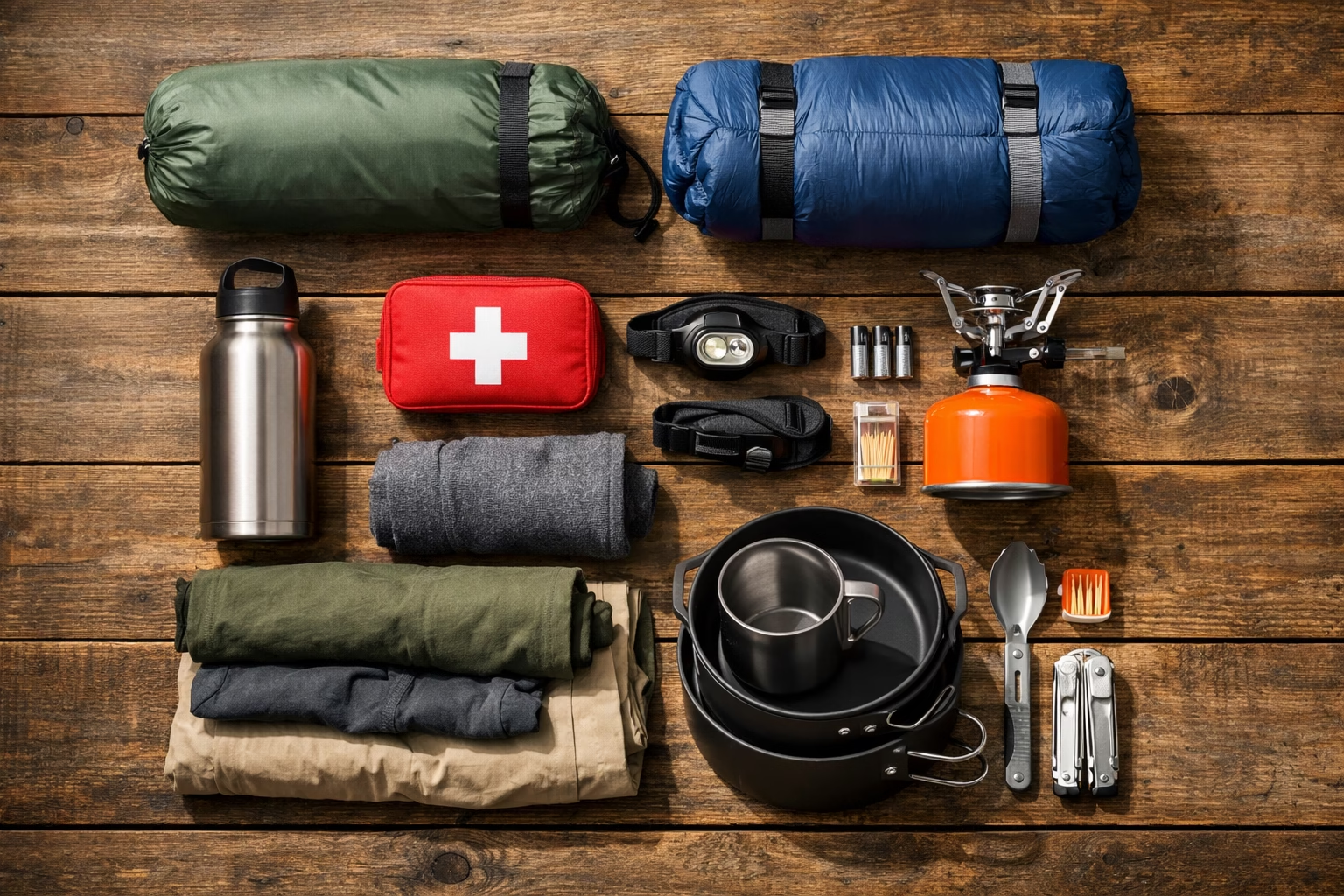
I love camping, but I know how easy it is to forget important items when packing. That’s why I always use a camping checklist before every trip. Having a list helps me stay organized, pack only what I need, and feel prepared when I arrive at the campsite.
Whether I’m planning a weekend getaway or a longer outdoor adventure, there are a few things I never leave behind. A good tent, sleeping gear, cooking supplies, safety items, and personal care essentials help make camping more comfortable and enjoyable. In this guide, I’m sharing a complete camping checklist to help you pack with confidence and enjoy a fun, stress-free trip outdoors.
Key Takeaways
- Test your tent at home before leaving to catch missing stakes, poles, or setup issues that could leave you stranded in bad weather
- Match your sleeping bag to expected low temperatures rather than average temps to avoid cold, sleepless nights
- Pack a portable camp stove with fuel because not all campsites have grills, and weather can make fires impossible
- Bring a headlamp or flashlight with backup batteries for nighttime activities, meal prep, and emergency response
- Layer your clothing for temperature changes rather than packing bulky single-purpose items
- Start with simple meals matched to your cooking skill level to avoid frustration and excessive cleanup
- Include a safety whistle and a basic first aid kit sized appropriately for your group and trip length
What Should Be on Your Camping Checklist 2026?
Your camping checklist 2026 needs to cover shelter, sleep system, clothing, cooking gear, lighting, safety equipment, and personal care items. The absolute minimum for a successful beginner weekend trip includes a tent with sleeping bag, food and water, a headlamp or flashlight, weather-appropriate clothes, and basic toiletries.
I learned this the hard way on my first camping trip when I packed three different jackets but forgot my headlamp. Trying to navigate a dark campsite using my phone flashlight while the battery drained taught me that prioritizing essentials over extras makes or breaks your experience.
Here’s how to build your complete list:
Shelter & Sleep System:
- Tent with rainfly, stakes, and poles (test setup at home first)
- Sleeping bag rated 10-15°F below expected lows
- Sleeping pad or air mattress for ground insulation
- Pillow (or stuff sack filled with clothes)
- Tent footprint or tarp for ground protection
Choose your sleeping pad based on: comfort preference (air mattress), weight concerns (foam pad), or insulation needs (self-inflating pad with R-value 3+).
Common mistake: Assuming your tent is complete without checking for all components. Missing stakes or a broken pole discovered at the campsite can lead to exposure during rainstorms or high winds that risk hypothermia.
How Do I Pack Clothing for Different Camping Seasons?
Pack clothing in layers that you can add or remove as temperatures change throughout the day. Winter camping requires thermal base layers, insulated mid-layers, and waterproof outer shells, while summer camping uses moisture-wicking base layers and lightweight alternatives.
Winter Camping Essentials (November-March):
- Thermal underwear base layers
- Fleece or insulated jacket mid-layers
- Waterproof and windproof outer jacket
- Insulated waterproof pants
- Insulated hat and neck gaiter
- Insulated waterproof gloves
- Insulated waterproof boots
Summer Camping Essentials (June-September):
- Moisture-wicking base layers
- Lightweight pullover or jacket
- Lightweight rain jacket
- Convertible or lightweight pants
- Lightweight hat or cap
- Hiking boots or trail shoes
Spring/Fall Transitional Seasons:
- Layering pieces for warm days and cool nights
- Light fleece or mid-weight jacket
- Extra socks (always pack more than you think)
- Rain gear (weather changes quickly)
Edge case: If you’re camping near the coast or at elevation, temperatures can drop 20-30°F after sunset even in summer. Pack at least one warm layer regardless of daytime forecasts.
Similar preparation applies when packing for Europe trips, where you’ll need versatile layers for changing conditions.
What Cooking Equipment Do I Actually Need?

You need a portable camp stove with appropriate fuel, basic cookware (one pot and one pan minimum), utensils, and a cooler or food storage containers. Not every campsite provides charcoal grills, making a backup cooking method essential for ensuring hot meals.
Essential Camp Kitchen:
- Portable camp stove (propane or butane)
- Fuel canisters (bring extras)
- Lighter or waterproof matches
- Pot with lid (2-3 quart size)
- Frying pan or skillet
- Cooking utensils (spatula, large spoon)
- Plates, bowls, and cups (reusable or disposable)
- Forks, knives, spoons
- Cutting board and knife
- Dish soap and sponge
- Trash bags for cleanup
Optional but useful: Dutch oven for campfire cooking, coffee maker or French press, collapsible water container, camp grill grate.
I recommend matching your meal complexity to your skill level and cleanup tolerance. Simple options work best for beginners: sandwiches for lunch, one-pot dinners like pasta or chili, instant oatmeal for breakfast, and pre-cut vegetables to minimize prep work.
Decision rule: If you’ve never cooked over a camp stove, practice at home first. Unfamiliar equipment plus outdoor conditions plus hungry family equals stress.
What Safety and Emergency Items Are Non-Negotiable?
Every camping checklist 2026 must include a headlamp or flashlight with extra batteries, a first aid kit sized for your group, a multi-tool or camp knife, and a safety whistle for emergencies. These items address the most common camping hazards: darkness, injuries, equipment failures, and getting lost.
Core Safety Kit:
- Headlamp or flashlight with extra batteries or USB charging
- Lantern for campsite lighting
- First aid kit with bandages, antiseptic, pain relievers, and any prescription medications
- Multi-tool or camp knife
- Safety whistle (for emergency signaling)
- Fire starter (waterproof matches, lighter, fire starter cubes)
- Map and compass or GPS device
- Emergency contact information
- Sunscreen (SPF 30+)
- Insect repellent
Why headlamps matter: Unlike flashlights, headlamps keep your hands free for setting up tents in low light, cooking dinner after sunset, navigating to bathroom facilities at night, and responding to emergencies.
Common mistake: Packing only one light source without backup batteries. When your single flashlight dies at 10 PM, you’re stuck until sunrise.
For those planning outdoor adventures in remote locations, these safety principles align with the preparation needed for solo travel destinations.
What Personal Care and Hygiene Items Should I Bring?
Pack toilet paper, hand sanitizer, biodegradable soap, toothbrush and toothpaste, wet wipes, sunscreen, lip balm with SPF, insect repellent, and a quick-dry towel as standard personal care items. Many campgrounds have limited facilities, making self-sufficiency essential.
Complete Hygiene Kit:
- Toilet paper (bring your own even if facilities exist)
- Hand sanitizer
- Biodegradable hand soap
- Toothbrush and toothpaste
- Wet wipes or baby wipes
- Sunscreen (SPF 30 minimum)
- Lip balm with SPF
- Insect repellent (DEET or natural alternatives)
- Quick-dry towel
- Feminine hygiene products
- Prescription medications
- Contact lens solution and glasses
- Deodorant
Choose biodegradable soap if: You’ll be washing dishes or bathing near natural water sources, as regular soap harms aquatic ecosystems.
Edge case for families: Pack a small portable potty or toilet seat for young children who struggle with campground facilities at night.
What Campsite Maintenance Items Do I Need?

Bring trash bags for maintaining leave-no-trace principles, a small broom and dustpan for keeping your tent area clean, and tools for firewood preparation if campfires are allowed. These items separate respectful campers from those who damage natural spaces.
Site Maintenance Essentials:
- Heavy-duty trash bags (pack out everything you pack in)
- Small broom and dustpan for the tent area
- Saw or hatchet for cutting firewood (if fires permitted)
- Rope or paracord (hanging food, clotheslines, repairs)
- Duct tape (emergency repairs)
- Tarp or ground cloth (extra weather protection)
- Camp chairs or portable seating
- Table or prep surface (if not provided)
Firewood preparation tip: Many campgrounds require purchased firewood to prevent invasive species spread. Check regulations before bringing your own wood or packing cutting tools.
I’ve found that a small broom makes an enormous difference in comfort. Sweeping dirt and debris from your tent entrance prevents tracking mud into sleeping areas and keeps gear cleaner throughout your trip.
How Should Beginners Avoid Overpacking?
Start with the five-item bare minimum (tent and sleeping bag, food and water, headlamp, weather-appropriate clothes, basic toiletries), then add only items that solve specific problems for your location and group needs.The cooking and food category is where beginners most frequently overpack.
Overpacking prevention strategies:
- Use the “wear it twice” rule for clothing: if you can’t wear it at least twice, leave it home
- Limit cooking equipment to one pot, one pan, and essential utensils for your planned meals
- Share gear with your group rather than duplicating items like camp stoves, lanterns, and first aid kits
- Test your packed bag by carrying it around your house. If it’s too heavy indoors, it’ll be worse on the trail
- Make a “maybe” pile of items you’re unsure about, then eliminate half before packing
Decision rule: If you’re asking “will I need this?”, the answer is usually no. Pack for likely scenarios, not worst-case possibilities.
This minimalist approach mirrors the philosophy behind creating an effective morning routine checklist—focus on essentials that deliver results rather than overwhelming yourself with options.
What Are the Most Common First-Time Camping Mistakes?
The most common mistakes include not testing tent setup before leaving, bringing a sleeping bag inadequate for temperature conditions, forgetting backup lighting with extra batteries, overpacking food and cooking gear, and failing to check campground-specific requirements before arrival.
Mistakes to avoid:
Not practicing tent setup: Discovering missing components or confusing instructions at your campsite wastes daylight and creates stress. Set up your tent completely in your backyard or living room before leaving
Ignoring temperature ratings: Sleeping bag ratings indicate the lowest temperature for survival, not comfort. For actual comfort, choose a bag rated 10-15°F below expected lows.
Skipping the backup plan: Weather changes, equipment fails, and plans shift. Pack rain gear even when forecasts look perfect, bring extra food beyond your meal plan, and have alternative shelter options.
Forgetting campground research: Some sites require reservations, have specific check-in times, prohibit certain activities, or lack amenities you’re counting on. Call ahead or check websites for details.
Bringing too much food: Beginners often pack elaborate meals requiring extensive prep and cleanup. Simple one-pot dinners and ready-to-eat options reduce stress and dishes.
What Optional Comfort Items Enhance the Experience?

Optional items that significantly improve comfort include camp chairs for relaxing, a camping table for meal prep, a portable power bank for device charging, entertainment items like books or cards, and a camera for capturing memories. These aren’t essential for survival but transform camping from endurance test to enjoyable experience.
Comfort upgrades worth considering:
- Portable camp chairs with cup holders
- Small folding table for food prep
- Camping pillow (versus makeshift options)
- Battery-powered fan (summer camping)
- Portable solar charger or power bank
- Books, cards, or games
- Camera or binoculars
- Hammock for relaxation
- Extra blanket for chilly evenings
Choose comfort items based on: Your camping style (minimalist versus glamping), vehicle space available, physical limitations that require accommodation, and group preferences.
For those who enjoy structured planning, consider combining your camping preparation with other organizational tools like a Sunday reset checklist to ensure nothing gets forgotten.
How Do I Create a Personalized Camping Checklist 2026?
Create your personalized camping checklist 2026 by starting with the core essentials, then customizing based on your destination climate, trip length, group composition, and activity plans. Review your list after each trip to add forgotten items and remove unused gear.
Customization factors:
Destination climate: Beach camping requires different gear than mountain camping. Adjust clothing, sun protection, and shelter accordingly.
Trip length: Weekend trips need minimal supplies, while week-long adventures require more food storage, clothing rotation, and backup equipment.
Group composition: Families with young children need different items than solo adult campers, add entertainment, comfort items, and safety gear specific to ages.
Activity plans: Hiking-focused trips require different gear than fishing-focused trips. Pack activity-specific equipment only when you’ll actually use it.
Personal needs: Medical conditions, dietary restrictions, and physical limitations require specific accommodations. Customize your list accordingly.
I keep a digital note on my phone with my master camping checklist, then create trip-specific versions by copying and modifying for each adventure. After returning, I immediately note what I forgot or didn’t use while the experience is fresh.
Conclusion
Your camping checklist 2026 doesn’t need to be complicated or expensive to be effective. Start with the five essentials: tent and sleeping bag, food and water, lighting, weather-appropriate clothes, and basic toiletries, then customize based on your specific trip. Test your tent at home, match your sleeping bag to expected temperatures, pack a portable stove with fuel, and bring backup lighting with extra batteries.
The difference between a stressful camping experience and an enjoyable one often comes down to preparation. By following this comprehensive camping checklist 2026, you’ll avoid the most common beginner mistakes while building confidence for future outdoor adventures.
Your next steps: Print or save this checklist, gather your essential gear, test your tent setup, and book your first campsite. Start with a simple weekend trip close to home, then gradually expand to longer adventures as you gain experience and refine your personal camping checklist.
If you’re looking to make 2026 a year of new experiences, check out our guide on 61 things you should do in 2026 for more inspiration beyond camping.
References
[1] Camping Checklist – https://reolink.com/blog/camping-checklist/
[2] Family Camping Checklist – https://www.rei.com/learn/expert-advice/family-camping-checklist.html
[3] Best Camping List – https://www.outdoorgearlab.com/topics/camping-and-hiking/best-camping-list


