
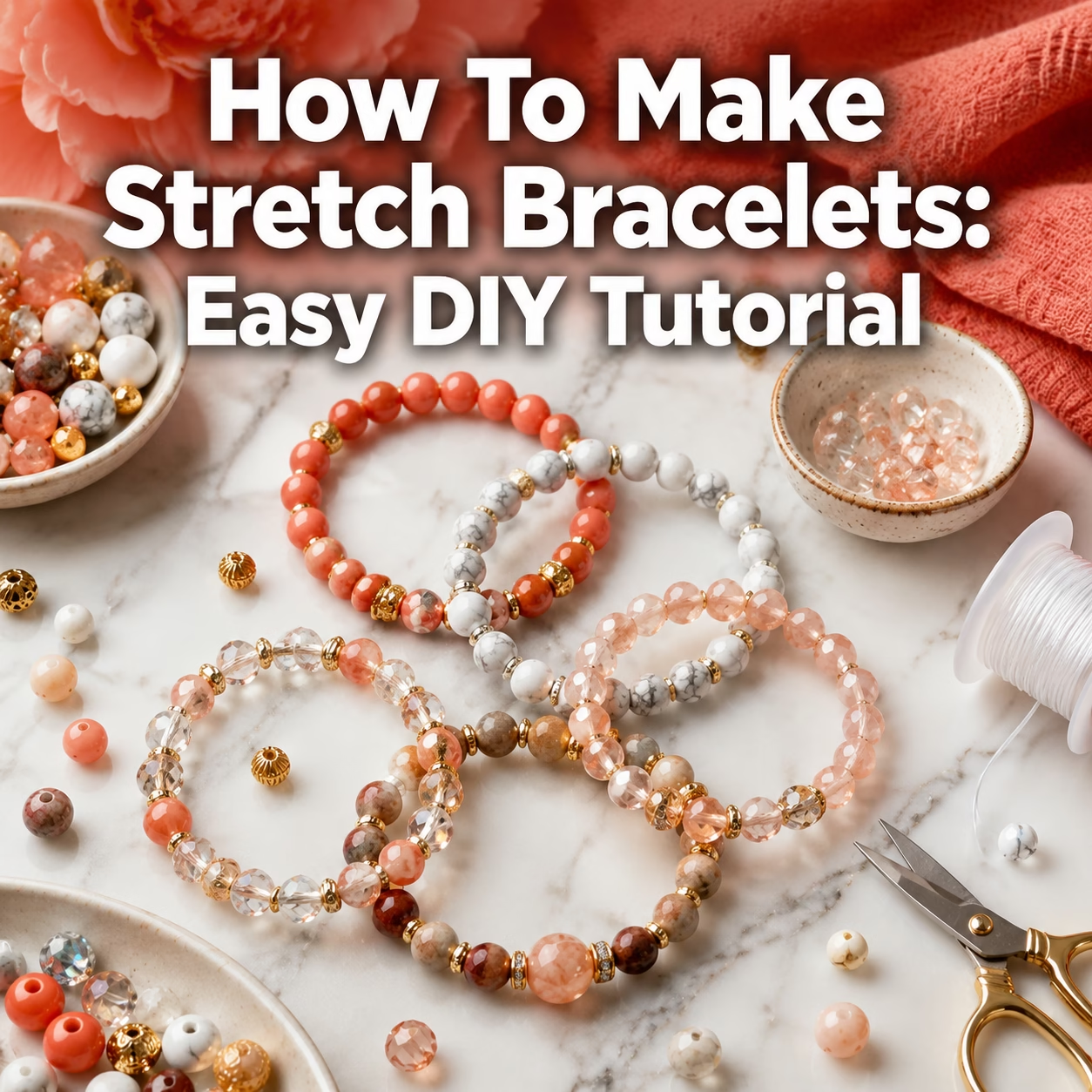
Stretch bracelets are one of the easiest and most rewarding jewelry projects for beginners. With just a few inexpensive supplies, you can create custom bracelets that match your personal style, make thoughtful handmade gifts, or even sell at local craft fairs.
The best part? You don’t need any special jewelry-making experience. Once you learn a simple knotting technique, you can make durable, comfortable stretch bracelets in about 20 minutes.
Quick Answer: To make a stretch bracelet, measure and pre-stretch your elastic cord, string your chosen beads, tie a secure surgeon’s knot, add a small drop of jewelry glue, and tuck the knot inside a bead for a clean, professional-looking finish.
Project at a Glance
| Skill Level | Beginner |
|---|---|
| Time | 15–20 minutes |
| Cost | Around $2–$6 per bracelet |
| Tools Needed | Basic craft supplies |
Supplies You’ll Need

Making a stretch bracelet doesn’t require expensive tools or special equipment. With just a few basic supplies, you’ll have everything you need to create beautiful, durable bracelets that you can wear, gift, or customize in countless ways.
Essential Supplies
| Item | Purpose |
|---|---|
| Elastic cord (0.5–1.0 mm) | Forms the bracelet and provides stretch |
| Beads | Creates the design and style |
| Sharp scissors | Trims the elastic neatly |
| Jewelry glue | Secures the knot for extra durability |
| Bead mat or tray | Keeps beads from rolling away |
| Tape or bead stopper | Holds beads in place while stringing |
Choosing the Right Elastic Cord
The type of elastic you use plays a big role in how well your bracelet holds up over time.
- 0.5 mm – Best for seed beads and lightweight bracelets.
- 0.7–0.8 mm – Ideal for most glass, acrylic, and decorative beads.
- 1.0 mm – Perfect for larger or heavier gemstone beads.
Before you begin, thread a small piece of elastic through one of your beads to make sure it fits comfortably without forcing it through the hole.
Editor’s Tip: Invest in a quality elastic cord like Stretch Magic or Beadalon Elasticity. It costs only a little more but creates stronger, longer-lasting bracelets that keep their shape with regular wear.
Prepare Your Workspace
Set up your supplies on a clean, well-lit surface before you begin. A bead mat or soft towel helps prevent beads from rolling away, making the process much easier—especially if you’re working with small beads or creating detailed patterns.
With everything ready, you’re all set to start making your bracelet.
How to Make a Stretch Bracelet: Step-by-Step Tutorial
Now that you have your supplies ready, it’s time to make your bracelet. Follow these six simple steps to create a strong, comfortable stretch bracelet with a neat, professional-looking finish.

Step 1: Measure and Cut the Elastic
Wrap the elastic comfortably around your wrist and add an extra 4–5 inches (10–13 cm). The additional length gives you enough room to string beads and tie a secure knot without the cord slipping from your hands.
If you’re making a bracelet as a gift, cutting 10–12 inches of elastic is a good starting point for most adult wrists.
Tip: It’s always easier to trim excess elastic than to work with a piece that’s too short.
Step 2: Pre-Stretch the Elastic
I’ve learned the hard way that skipping this step almost always leads to a loose bracelet after a few wears. Taking a minute to pre-stretch the elastic helps it keep its shape, especially if you plan to wear your bracelet regularly.
Hold each end of the cord and pull firmly, repeating the process 8–10 times along different sections of the elastic.
Editor’s Tip: Skipping this step is one of the most common reasons stretch bracelets become loose after only a few wears.
Step 3: Secure One End
Place a small piece of tape over one end of the elastic or attach a bead stopper. This simple step prevents beads from sliding off while you’re working and makes the stringing process much less frustrating.
Step 4: String Your Beads
Arrange your beads in the pattern you want before threading them onto the elastic. Planning your design first makes it easier to balance colors, shapes, and spacer beads.
As you string the beads, check the fit occasionally by wrapping the bracelet around your wrist.
As a general guide:
- 6 mm beads: 28–32 beads
- 8 mm beads: 22–26 beads
- 10 mm beads: 18–20 beads
Don’t worry about reaching an exact number—the bead size and your wrist measurement will determine the final fit.
Step 5: Tie a Secure Surgeon’s Knot
Remove the tape or bead stopper and bring both ends of the elastic together.
Tie a surgeon’s knot by wrapping one end around the other twice before tightening, then complete a second knot to lock everything securely in place.
Pull the knot tight with steady pressure to prevent it from slipping.
Editor’s Tip: Hold the knot firmly while tightening so it doesn’t loosen before you secure it with glue.
Step 6: Glue and Hide the Knot
Apply a tiny drop of jewelry glue directly to the knot and allow it to dry according to the manufacturer’s instructions.
Trim the excess elastic, leaving just a small tail, then gently slide the knot inside a nearby bead to hide it from view.
Your stretch bracelet is now ready to wear!
After making dozens of stretch bracelets over the years, I’ve learned that taking an extra minute to prepare your materials almost always leads to a cleaner finish and a bracelet that lasts much longer. It’s a small habit that makes a noticeable difference.
What Beads Work Best for Stretch Bracelets?
Choosing the Best Beads for Stretch Bracelets
One of my favorite parts of making stretch bracelets is choosing the beads. The colors, materials, and finishes you combine can completely change the look of the finished piece. If you’re just starting out, don’t worry about creating an elaborate design—simple combinations often look the most elegant.
I’ve experimented with everything from acrylic beads to natural gemstones, and one thing I’ve learned is that smooth, well-made beads are always worth choosing. They not only look better but also help your bracelet last longer by reducing wear on the elastic.
Best Beads for Stretch Bracelets
| Bead Type | Best For |
|---|---|
| Acrylic | Lightweight, colorful everyday bracelets |
| Glass | Elegant designs with a polished finish |
| Natural Stone | Timeless bracelets with unique patterns |
| Wood | Rustic, earthy styles |
| Seed Beads | Delicate, detailed designs |
If you’re making your first bracelet, I recommend starting with 6 mm or 8 mm glass or acrylic beads. They’re easy to string, comfortable to wear, and forgiving while you’re learning.
A Few Tips from Experience
One mistake I made when I first started was buying beads based only on their appearance. Some cheaper beads had rough holes that slowly wore down the elastic, causing bracelets to break much sooner than expected.
Now, before I start a project, I always thread a short piece of elastic through a few beads to check that it moves smoothly. It only takes a few seconds, but it can save a lot of frustration later.
I also like mixing finishes—pairing matte beads with glossy ones or combining natural stone with metallic spacers. Those small details make a bracelet look more thoughtfully designed without adding extra work.
Editor’s Tip: If you’re unsure which beads to buy, choose a neutral glass bead mix. They’re versatile, easy to coordinate, and look beautiful whether you’re making bracelets for yourself, as gifts, or to sell.
Common Stretch Bracelet Mistakes (and How to Avoid Them)
Even after making quite a few stretch bracelets, I still catch myself rushing through certain steps. The good news is that most mistakes are easy to avoid once you know what to watch for.
Skipping the Pre-Stretch
If there’s one step I never skip anymore, it’s pre-stretching the elastic. The first few bracelets I made looked great at first, but after a couple of wears they became loose because I didn’t stretch the cord beforehand. Taking a minute to do this helps your bracelet keep its shape much longer.
Using the Wrong Elastic
Not all elastic cords are the same. Thin elastic works well for lightweight beads, but heavier glass or gemstone beads need a thicker cord for extra strength. Choosing the right size from the start makes your bracelet much more durable.
Overfilling the Bracelet
It’s tempting to keep adding beads until the elastic is completely full, but a little flexibility is important. Leaving just a tiny amount of movement between the beads helps the bracelet stretch comfortably over your hand without putting unnecessary strain on the knot.
Rushing the Knot
A secure knot is what keeps all your hard work together. I always take an extra moment to tighten the surgeon’s knot carefully and let the glue dry completely before trimming the ends. It’s a small step that makes a big difference in how long the bracelet lasts.
Stretch Bracelet Design Ideas
Once you’ve mastered the basics, experimenting with different bead combinations is where the real fun begins. I still enjoy laying out a few different color palettes before I start stringing because sometimes the combination I least expect ends up being my favorite.
If you’re looking for inspiration, here are a few simple designs that are easy to recreate.
Minimalist Bracelet
Choose one bead size and a single neutral color, such as white, black, or soft gray, for a clean, timeless look. This style pairs well with almost any outfit and is perfect for everyday wear.
Stackable Bracelet Set
Instead of making one bracelet, create three in coordinating colors and wear them together. I love mixing different bead finishes, like matte, glossy, and metallic spacers, because it adds texture without making the stack feel too busy.
Ombre Bracelet
Arrange beads from the lightest shade to the darkest within the same color family. It’s a simple technique that creates a beautiful gradient effect and looks much more detailed than it is.
Natural Stone Bracelet
Natural stone beads make every bracelet unique because no two beads have exactly the same pattern. They’re one of my favorite choices when I want something that feels a little more elegant while still being easy to wear every day.
Personalized Bracelet
Add letter beads, birthstones, or a favorite charm to create a bracelet with special meaning. These also make thoughtful handmade gifts for birthdays, holidays, or friendship bracelets.
Tips for Making Stretch Bracelets That Last

A handmade bracelet should be something you can enjoy for a long time, not something that breaks after a few wears. Over time, I’ve found that a few simple habits make a big difference in both durability and comfort.
Choose Quality Materials
Good-quality elastic and smooth beads are worth the small extra cost. They hold up better with everyday wear and are less likely to fray or snap over time.
Don’t Overload the Bracelet
It can be tempting to add “just one more bead,” but leaving a tiny bit of flexibility allows the bracelet to stretch comfortably over your hand without putting unnecessary stress on the elastic.
Store Bracelets Properly
When you’re not wearing your bracelets, store them flat in a jewelry box or small pouch. Avoid leaving them stretched over bottles or hooks for long periods, as this can weaken the elastic.
Keep Them Dry When Possible
Most stretch bracelets can handle occasional splashes of water, but frequent exposure to water, perfumes, lotions, or harsh cleaning products can shorten the life of both the elastic and certain bead finishes.
Frequently Asked Questions
How long should a stretch bracelet be?
A comfortable bracelet should fit snugly without feeling tight. Most adult bracelets measure between 7 and 7½ inches, but measuring your wrist is always the best approach.
What is the best elastic cord for stretch bracelets?
Quality elastic cords such as Stretch Magic or Beadalon Elasticity are popular because they’re strong, flexible, and designed specifically for jewelry making.
Why did my stretch bracelet break?
The most common causes are skipping the pre-stretching step, using elastic that’s too thin for heavy beads, or tying an insecure knot.
Can children make stretch bracelets?
Yes. Stretch bracelets are an excellent beginner craft for children with adult supervision, especially when using larger beads that are easy to handle.
How do you hide the knot?
After securing the knot with a small drop of jewelry glue, trim the ends and gently slide the knot inside a bead with a large enough hole for a clean, professional finish.
Conclusion
Making your own stretch bracelets is one of those crafts that’s easy to learn but surprisingly rewarding. Even after making many bracelets over the years, I still enjoy experimenting with new bead combinations, colors, and patterns—it’s amazing how a few simple changes can create something completely unique.
If you’re making your first bracelet, don’t worry about getting everything perfect. Focus on learning the basics, take your time tying a secure knot, and enjoy the creative process. With each bracelet you make, you’ll become more confident and start discovering your own favorite styles and techniques.
Whether you’re creating bracelets to wear, give as thoughtful handmade gifts, or even sell at local markets, the skills you learn here are ones you’ll use again and again. Gather your favorite beads, start with a simple design, and most importantly, have fun creating something that’s uniquely yours.
Happy crafting!
References
[1] Watch – https://www.youtube.com/watch?v=EhvCqViIso8


