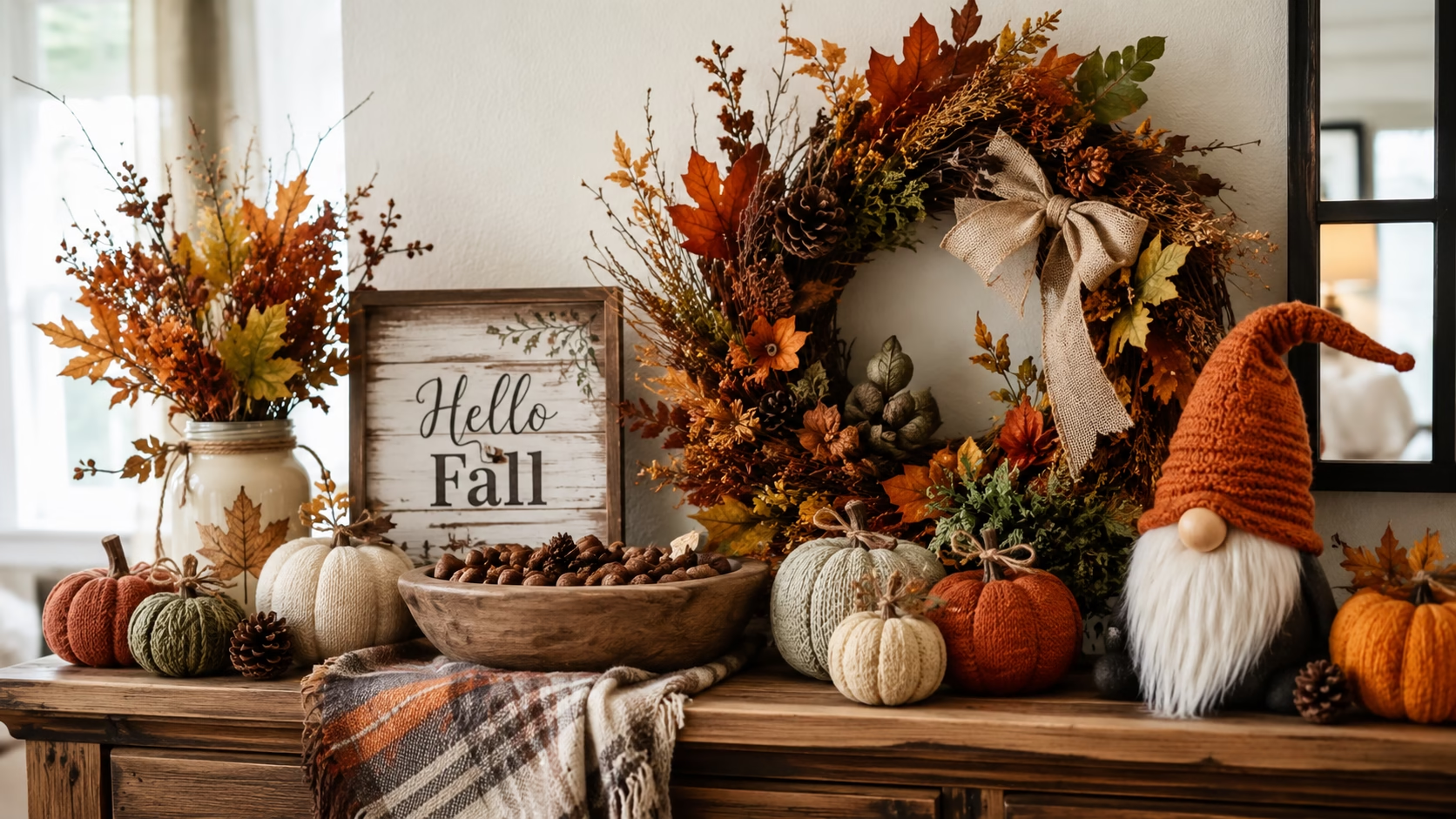
Fall is one of my favorite seasons for crafting, and Dollar Tree is one of the first places I visit when I start planning my autumn projects. I love seeing how a few inexpensive supplies can be transformed into beautiful seasonal decorations that look much more expensive than they actually are.
What makes these crafts especially appealing is their flexibility. I can make a few pieces for my own home, create handmade gifts, or make several of the same project to sell at a craft fair or online. Rustic signs, fall wreaths, pumpkins, gnomes, and seasonal décor are all easy to customize with different colors, textures, and finishes.
I’ve also learned that the secret isn’t simply finding cheap supplies. The real difference comes from the design, finishing details, photography, and presentation. A simple Dollar Tree item can look completely different after adding a cohesive color palette, natural textures, quality ribbon, and a carefully finished surface.
In this guide, I’m sharing the Dollar Tree fall crafts I think are worth making, the supplies I like to pick up early, ways to make inexpensive materials look high-end, and practical tips for pricing and selling handmade fall décor.
Quick Answer
Dollar Tree fall crafts are low-cost seasonal DIY projects made with supplies such as faux pumpkins, wreath forms, wood pieces, burlap ribbon, socks, jars, paint, and seasonal embellishments. Some projects are quick enough to make in batches, while others can be priced higher because of the time and detail involved.
My favorite crafts to make and sell include farmhouse signs, fall wreaths, sock pumpkins, pumpkin gnomes, faux tin pumpkins, and decorative acorns. The best projects are inexpensive to produce, visually appealing, relatively quick to make, and easy to customize.
Key Takeaways
- Fall-specific supplies are usually worth shopping for early because popular seasonal items can sell out.
- Farmhouse signs, wreaths, sock pumpkins, pumpkin gnomes, and tiered-tray décor are strong project choices.
- Beginner-friendly projects can often be completed with basic supplies such as paint and hot glue.
- Batch-making several of the same item can reduce the time spent per piece.
- Presentation matters just as much as the materials when you’re selling handmade décor.
- Etsy, Facebook Marketplace, and local craft fairs can all work for different types of products.
- Your price should account for materials, labor, packaging, platform fees, and profit.
- Fall buyers often begin shopping before Halloween, so having inventory ready early can give you more time to sell.
At a Glance
| Category | Details |
|---|---|
| Project Type | Dollar Tree Fall Crafts |
| Best For | Home décor, gifts, craft fairs, online selling |
| Skill Level | Beginner to Intermediate |
| Popular Projects | Wreaths, signs, pumpkins, gnomes, seasonal décor |
| Typical Project Time | About 15–60 minutes for many small projects |
| Main Supplies | Faux pumpkins, wood pieces, ribbon, paint, wreath forms |
| Best Selling Period | Late summer through fall |
| Selling Options | Etsy, Facebook Marketplace, craft fairs |
Best Dollar Tree Fall Crafts to Make and Sell

I like choosing projects that have three things going for them: inexpensive materials, manageable production time, and a finished look that catches someone’s eye. These are some of my favorite options.
1. Farmhouse Wooden Signs
Dollar Tree wood plaques make an easy starting point for rustic fall signs. I like using simple phrases such as Hello Fall, Gather, or Thankful, then adding a muted color palette, light distressing, ribbon, or greenery.
The beauty of these signs is that they can be customized for different decorating styles. A neutral cream and brown design feels farmhouse-inspired, while black and orange can give the same basic sign a Halloween look.
Best for: Beginners and personalized products.
2. Seasonal Fall Wreaths
Fall wreaths are one of the projects I would consider when I want a higher-priced item. Wire wreath frames, faux leaves, small pumpkins, berries, and burlap ribbon can be layered to create a fuller design.
I find that mixing textures makes the biggest difference. Instead of covering the wreath with one type of decoration, I like combining soft ribbon with leaves, berries, pumpkins, pinecones, or greenery.
Best for: Craft fairs, local sales, and statement décor.
3. Sock Pumpkins
Sock pumpkins are simple, inexpensive, and easy to make in batches. I can fill a sock with stuffing or another suitable filler, tie it securely, shape it into a pumpkin, and finish it with twine and a decorative stem.
They also work especially well as sets. A group of three different sizes can look much more substantial than one small pumpkin displayed by itself.
Best for: Beginners and batch production.
4. Pumpkin Gnomes
Pumpkin gnomes are another fun option when I want something with more personality. A combination of a foam pumpkin, fabric or sock material, yarn, and a decorative hat can become a cute seasonal character.
I like changing the hat colors, beard materials, and small details to create different versions rather than making every gnome identical.
Best for: Gift buyers and playful fall décor.
5. Faux Tin Pumpkins
Simple cans or metal containers can be transformed into decorative pumpkins with paint, raffia, twine, or other autumn accents.
The key is the finish. Instead of leaving the surface looking completely new, I like using layered paint or subtle distressing to give the piece an aged, decorative appearance.
Best for: Farmhouse and rustic décor.
6. Decorative Acorns From Plastic Eggs
Plastic eggs can be transformed into decorative acorns with brown and tan paint and a textured top made from materials such as twine or burlap.
I particularly like this project for bowl fillers because several can be made at once and displayed together.
Best for: Quick, low-mess batch projects.
7. Painted Mason Jar Vases
Mason jars are another simple starting point. I can paint a jar with a matte finish, wrap the neck with twine, and add faux autumn stems.
They’re easy to customize and work well as centerpieces, shelf décor, or small gifts.
Best for: Beginners and inexpensive gift sets.
Which Crafts Are Best for Beginners?
If you’re completely new to crafting, I’d start with:
- Sock pumpkins
- Painted mason jars
- Decorative acorns
- Simple wooden signs
These projects don’t require complicated techniques, and they’re forgiving if your first few attempts aren’t perfect.
Supplies I Buy for Dollar Tree Fall Crafts

I like shopping for seasonal supplies early because popular fall items can disappear quickly. My basic shopping list usually includes:
- Wire wreath frames
- Faux pumpkins and gourds
- Autumn leaf garlands and floral picks
- Burlap ribbon
- Twine
- Small wood plaques
- Frames
- Seasonal socks
- Plastic eggs
- Mason jars
- Tin cans
- Acrylic or chalk paint
- Hot glue sticks
Helpful Extras
A few additional supplies can make inexpensive projects look much more polished:
- Stencils
- Sandpaper
- Raffia
- Dried botanicals
- Wood beads
- Quality ribbon
- Specialty paint
I don’t buy everything for every project. I usually start with the Dollar Tree basics and add one or two better-quality accents when I want a more premium finish.
How I Make Dollar Tree Crafts Look Expensive

This is probably my favorite part of the process. I’ve found that the difference between a craft that looks inexpensive and one that looks boutique-quality usually comes down to presentation rather than the original material.
1. Layer Different Textures
I like combining smooth painted surfaces with burlap, twine, ribbon, wood, greenery, or dried elements. The contrast makes the finished piece feel more intentional.
2. Keep the Color Palette Simple
I usually stick to two or three main colors rather than trying to use every fall color at once.
For example:
- Cream + burnt orange + brown
- Black + cream + muted orange
- Sage green + cream + natural wood
A limited palette instantly makes a project feel more coordinated.
3. Distress Painted Surfaces
Lightly sanding the edges of painted wood can create a weathered farmhouse appearance. I prefer subtle distressing because too much can make the piece look unfinished rather than intentionally aged.
4. Add Natural Elements
A small pinecone, dried botanical, cinnamon stick, raffia stem, or greenery can make a simple project feel much more seasonal.
5. Upgrade One or Two Details
I don’t need to replace everything. Sometimes upgrading the ribbon, adding wooden beads, or using better-quality greenery is enough to change the overall appearance.
6. Photograph the Finished Product Well
Good photography is especially important when selling online. I prefer natural light and uncluttered backgrounds so buyers can clearly see the colors, textures, and details.
7. Package It Like a Product
A simple kraft-paper tag, twine, protective wrapping, and consistent branding can make a handmade item feel like a finished product rather than a casual craft project.

Selling & Pricing Dollar Tree Fall Crafts
Once I’ve made a collection of crafts, the next question is what to charge and where to sell them. I don’t want to price an item based only on what I spent at Dollar Tree because that ignores the time, design work, packaging, and other costs involved.
Where I Would Sell
Etsy
Etsy can work well for lightweight products and decorative pieces that photograph beautifully. The advantage is reaching buyers beyond my local area, but I need to account for platform fees and shipping when setting prices.
Facebook Marketplace
For larger or fragile pieces such as wreaths and tiered décor, local selling can be much easier because buyers can arrange pickup instead of paying for shipping.
Craft Fairs
Craft fairs are useful because customers can see the quality of the finished product in person. They also give me immediate feedback about which designs attract the most attention.
Social Media
Instagram and TikTok can help showcase the making process and drive people toward my shop or local listings. Short videos showing a basic Dollar Tree item becoming finished décor can be especially useful for attracting attention.
How I Price My Crafts
I use a simple starting formula:
Sale Price = Materials + Labor + Fees + Profit
For example, if a wreath costs $6 in materials and takes 45 minutes to make, I need to account for both the material cost and the value of my time before deciding on a final price.
The exact selling price should also depend on comparable products in your market, the quality of your finished piece, packaging, platform fees, and shipping.
Example Profit Table
| Craft | Estimated Material Cost | Example Sale Price |
|---|---|---|
| Farmhouse wooden sign | $2–$4 | $12–$18 |
| Fall wreath | $4–$7 | $22–$35 |
| Sock pumpkin set | $3–$5 | $10–$15 |
| Pumpkin gnome | $3–$5 | $14–$20 |
| Tiered tray décor set | $5–$8 | $18–$28 |
| Acorn set | $2–$3 | $8–$12 |
These are starting estimates rather than guaranteed prices. What buyers are willing to pay can vary considerably by location, design quality, presentation, season, and selling platform.
Pricing Mistakes I Avoid
- Charging only for materials
- Forgetting to include packaging
- Ignoring my time
- Copying another seller’s price without comparing the actual product
- Pricing so low that there is no room for profit
- Forgetting platform and payment fees
Batch-Making Can Improve Your Profit
One of the easiest ways I’ve found to make crafting more efficient is to work in batches.
Instead of making one sock pumpkin from start to finish, I prepare several at the same time. I can fill all the socks, shape them, add stems, and finish the decorations together.
The same approach works for signs, acorns, mason jars, and other small projects.
The goal isn’t simply to make more. It’s to reduce the amount of setup and cleanup time required for each individual item.
Frequently Asked Questions
How early should I start making fall crafts to sell?
I would start preparing inventory before the main fall shopping season. Having products ready early gives me more time to photograph them, create listings, test designs, and replenish popular items.
Can I really make money from Dollar Tree crafts?
Yes, but the profit comes from the finished product rather than the original supply price. Design, labor, presentation, packaging, and marketing all contribute to the value of a handmade item.
What is the easiest Dollar Tree craft to sell?
For a beginner, I would start with simple projects such as sock pumpkins, painted mason jars, decorative acorns, or basic wooden signs. They are relatively easy to produce and can be made in batches.
Is it better to sell online or in person?
Neither is automatically better. Local sales can be easier for bulky items, while online selling can reach a larger audience. I would choose based on the type of product, shipping costs, and where my potential customers are.
What if Dollar Tree doesn’t have the supplies I need?
I would check another nearby location, look at the retailer’s online options, or substitute similar materials from another craft or discount store. The design is often more important than using one exact product.
Can I give Dollar Tree crafts as gifts?
Absolutely. Many of these projects work beautifully as hostess gifts, Thanksgiving gifts, or small fall presents. Sets of pumpkins, painted jars, and seasonal décor can feel especially thoughtful when personalized.
Can I sell handmade items made from Dollar Tree supplies?
The supplies themselves can be used in handmade projects, but I would avoid incorporating copyrighted characters, logos, or other protected designs without permission. If you’re selling regularly, also check the rules that apply to your location and selling platform.
Conclusion

Dollar Tree fall crafts are one of my favorite ways to combine creativity with affordable seasonal decorating. I love starting with something simple—a wood plaque, sock, jar, pumpkin, or wreath form—and turning it into a finished piece that looks completely different from what I started with.
If you’re making crafts to sell, I wouldn’t try to make everything at once. I’d choose two or three projects, make a small test batch, photograph the finished pieces, and see which designs get the best response. From there, you can spend more time making the projects people actually want.
The biggest lesson I’ve learned is that inexpensive supplies don’t have to look inexpensive. Thoughtful colors, layered textures, natural accents, careful finishing, and good presentation can make a huge difference.
So grab a few fall supplies, choose a project that fits your skill level, and start creating. You might end up with beautiful décor for your own home—or discover a seasonal craft that becomes a surprisingly fun little business.
If you enjoy crafting with kids too, the 15 awesome DIY crafts to try with your kids article has great overlap with beginner-friendly techniques.