
Quick Answer
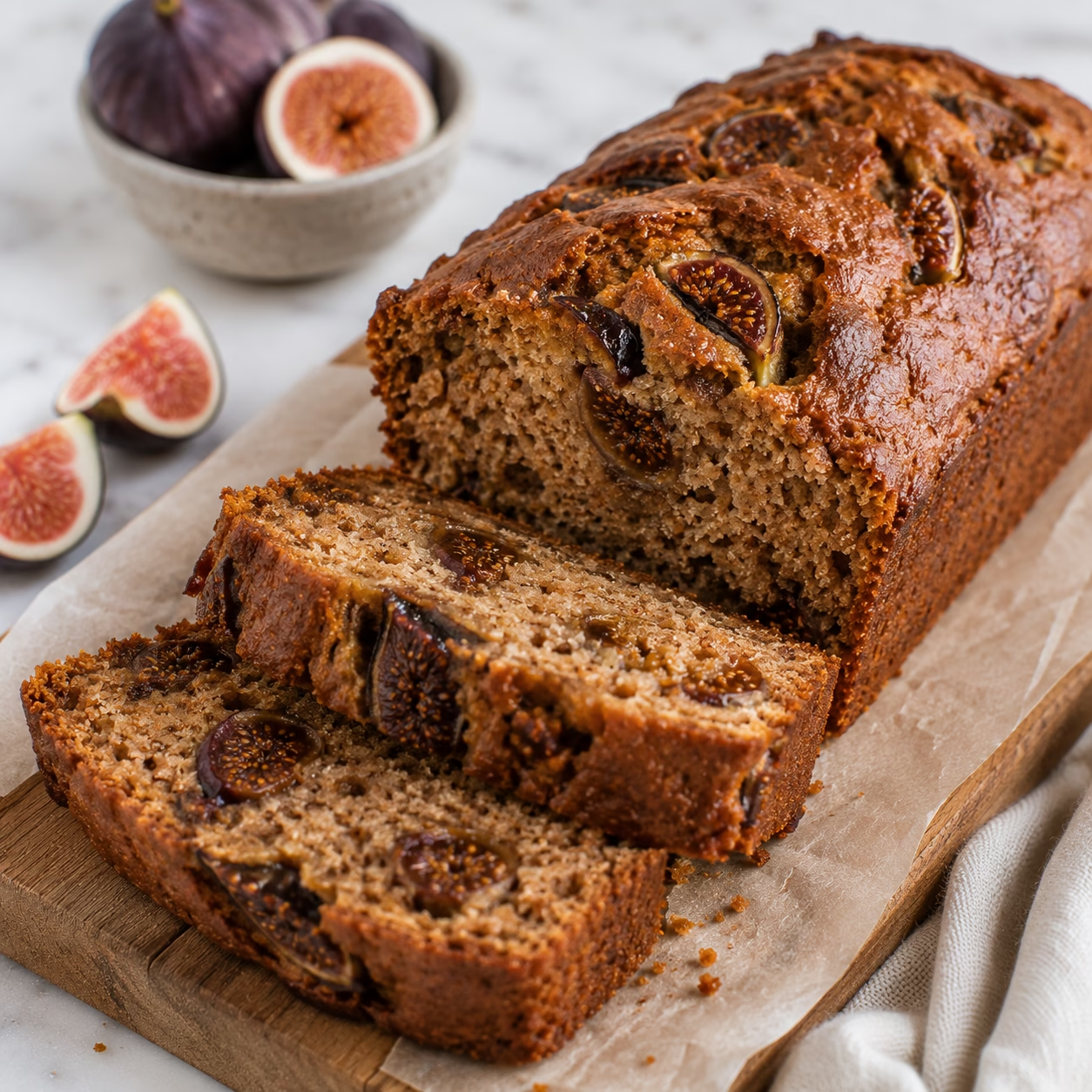
Fig bread is a delicious loaf made with fresh or dried figs that add natural sweetness, moisture, and a rich, jam-like flavor. Depending on the recipe, it can be a rustic no-knead artisan bread with a crisp crust or a soft, cake-style quick bread made with baking powder instead of yeast. Homemade fig bread is easy to prepare using simple pantry ingredients, while artisan loaves typically sell for $6–$15, depending on the bakery and style.
❤️ Why You’ll Love This Fig Bread
- Naturally sweet and flavorful. Fresh or dried figs add rich sweetness and moisture without relying solely on refined sugar, creating a loaf that’s both delicious and satisfying.
- Choose your favorite style. Whether you prefer a rustic artisan loaf with a crisp crust or a soft, cake-style quick bread, fig bread can be adapted to suit your baking style.
- Perfect for any occasion. Enjoy a slice for breakfast, afternoon tea, a snack, or as part of a beautiful cheese board with your favorite cheeses and spreads.
- Easy to make at home. Both the no-knead artisan version and the quick bread version use simple pantry ingredients and straightforward techniques that are great for home bakers.
- Stores and freezes well. Bake a loaf ahead of time and enjoy it throughout the week, or freeze extra slices for a quick homemade treat whenever you need one.
I love baking fig bread because it has a wonderful balance of natural sweetness, a soft, tender crumb, and rich fruit flavor in every bite. Whether made as a rustic artisan loaf with a crisp crust or a simple quick bread, figs bring incredible moisture and a subtle honey-like taste that makes this bread feel extra special. It’s perfect for breakfast, afternoon tea, or serving on a cheese board with your favorite cheeses and spreads. Best of all, it’s easy to make with everyday ingredients and freezes beautifully for later.
Ingredients You’ll Need

For an Artisan Fig Bread
- Bread flour – Creates a chewy crumb and crisp artisan crust.
- Warm water – Hydrates the dough and activates the yeast.
- Active dry yeast – Gives the bread its rise and airy texture.
- Honey – Adds gentle sweetness while helping feed the yeast.
- Salt – Enhances the flavor and strengthens the dough.
- Fresh or dried figs, chopped – The star ingredient, providing natural sweetness, moisture, and a rich fruity flavor.
- Chopped walnuts (optional) – Add a delicious crunchy texture that pairs beautifully with figs.
For a Quick Bread Version
- All-purpose flour – Forms the base of the loaf.
- Baking powder – Helps the bread rise without yeast.
- Eggs – Provide structure and richness.
- Oil or butter – Keeps the bread moist and tender.
- Buttermilk – Adds moisture and a slight tang while creating a tender crumb.
- Fresh chopped figs – Add moisture and natural sweetness throughout the loaf.
- Ground cinnamon – Brings warmth and complements the figs.
- Chopped pecans (optional) – Add crunch and a buttery, nutty flavor.
How to Make Fig Bread
Note: These steps follow the no-knead artisan method described in the uploaded source.
- Bloom the yeast.
Combine the warm water, yeast, and honey in a bowl. Let the mixture sit for about 10 minutes, or until it becomes foamy, indicating the yeast is active. - Mix the dough.
Stir in the bread flour, salt, and chopped figs until a shaggy dough forms. Mix only until the ingredients are combined, taking care not to overmix. - Let the dough rise.
Cover the bowl and place it in a warm spot until the dough has doubled in size. This slow rise helps develop flavor and texture. - Shape and chill.
Gently shape the dough into a ball and transfer it to the refrigerator to rest overnight. This cold fermentation develops a deeper flavor and improves the crust. - Preheat the Dutch oven.
Heat the oven to 450°F with the Dutch oven inside so it’s thoroughly preheated before baking. - Bake covered.
Carefully transfer the dough into the hot Dutch oven, cover with the lid, and bake for 30 minutes. - Finish baking uncovered.
Remove the lid and continue baking for 13–15 minutes, or until the loaf develops a deep golden-brown crust. - Cool before slicing.
Transfer the bread to a wire rack and allow it to cool completely before slicing. This helps the crumb set and prevents the interior from becoming gummy.
Tips for the Best Fig Bread
- Use fresh, ripe figs whenever possible.
Fresh figs provide the best moisture and natural sweetness. If using dried figs, soak them in warm water for about 10 minutes before adding them to the dough so they don’t absorb moisture during baking. - Measure flour by weight.
Measuring flour with a kitchen scale helps prevent adding too much, which is one of the most common reasons fig bread turns out dry and crumbly. - Don’t overmix the dough or batter.
Whether making an artisan loaf or a quick bread, mix only until the ingredients are combined. Overmixing can produce a dense texture. - Let artisan dough rest overnight.
An overnight cold rise in the refrigerator develops deeper flavor and improves the crust, giving the loaf a bakery-quality finish. - Preheat the Dutch oven thoroughly.
If making the artisan version, heating the Dutch oven before adding the dough creates steam that helps develop a crisp, golden crust. - Cool completely before slicing.
Allow the bread to cool on a wire rack before cutting. Slicing too soon can make the crumb gummy and cause the loaf to lose its structure. - Pair with complementary flavors.
Fig bread is especially delicious served with creamy cheeses like Brie, goat cheese, or cream cheese. Chopped walnuts and a touch of black pepper also pair beautifully with the natural sweetness of the figs.
Storage & Make-Ahead
Room Temperature
Store the cooled fig bread in an airtight container or wrap it tightly in plastic wrap. It stays fresh for up to 3 days at room temperature.
Refrigerator
The uploaded source does not provide specific refrigeration instructions. For the best texture, room-temperature storage is the recommended method in the source.
Freezer
Wrap the loaf tightly in plastic wrap, followed by aluminum foil or a freezer-safe bag. Freeze for up to 3 months. Thaw overnight at room temperature before serving.
Make-Ahead Tip
The artisan version is ideal for making ahead because the dough is refrigerated overnight before baking. This cold fermentation develops a richer flavor and improves the texture of the finished loaf.
Easy Variations

The uploaded source mentions or supports these variations:
- Use fresh or dried figs. Both work well, though dried figs should be soaked in warm water for about 10 minutes before using.
- Add chopped walnuts. Walnuts add crunch and pair beautifully with the sweet figs.
- Try chopped pecans. The quick bread version suggests pecans as another delicious nut option.
- Make a quick bread instead. Skip the yeast and use baking powder, eggs, oil or butter, and buttermilk for a softer, cake-like loaf.
- Add cinnamon. The quick bread variation includes ground cinnamon for extra warmth and flavor.
What to Serve With
Fig bread is wonderfully versatile and pairs well with both sweet and savory accompaniments. The uploaded source recommends serving it with:
- Brie cheese
- Goat cheese
- Cream cheese
- Butter
- Honey
- A charcuterie or cheese board
- Coffee or tea for breakfast or an afternoon snack
Frequently Asked Questions
Can I use dried figs instead of fresh figs?
Yes. The source states that dried figs work well. Soak them in warm water for about 10 minutes before adding them to the dough to help restore moisture.
Do I need a Dutch oven?
For the artisan version described in the source, yes. A preheated Dutch oven helps create steam, producing a crisp, bakery-style crust.
How long does fig bread stay fresh?
Stored in an airtight container at room temperature, it stays fresh for up to 3 days.
Can I freeze fig bread?
Yes. Wrap it well and freeze it for up to 3 months. Thaw at room temperature before serving.
Is this a yeast bread or a quick bread?
The uploaded source covers both styles. It describes an artisan yeast bread as well as a cake-style quick bread made with baking powder.
Conclusion
I love how fig bread transforms simple pantry ingredients into a loaf that’s rich in flavor, naturally sweet, and perfect for almost any occasion. Whether you choose the rustic artisan version with its crisp crust or the softer quick bread variation, this recipe is a wonderful way to enjoy the unique taste of fresh or dried figs. Pair it with your favorite cheese, a drizzle of honey, or simply enjoy a warm slice with a cup of coffee—you’ll quickly see why this homemade bread is worth baking again and again.
Related Reading
- The Best Blueberry Crisp Recipe
- The Secret To Perfectly Moist Zucchini Bread
- Southern Peach Bread Recipe
- Chocolate Chip Pumpkin Bread
- Banana Bread Muffins
Easy Artisan Fig Bread
Equipment
- Large mixing bowl
- Measuring cups or kitchen scale
- Dough scraper (optional)
- Dutch oven with lid
- * Parchment paper (optional)
- Wire cooling rack
Ingredients
- Bread flour
- Warm water
- Active dry yeast
- Honey
- Salt
- Fresh or dried figs chopped
- Chopped walnuts optional
Instructions
- Bloom the yeast by mixing warm water, yeast, and honey. Let stand for about 10 minutes until foamy.
- Stir in the bread flour, salt, and chopped figs until a shaggy dough forms.
- Cover the bowl and allow the dough to rise until doubled in size.
- Gently shape the dough into a ball and refrigerate overnight.
- Preheat a Dutch oven to 450°F.
- Place the dough into the hot Dutch oven, cover, and bake for 30 minutes.
- Remove the lid and continue baking for 13–15 minutes, until the crust is deep golden brown.
- Transfer to a wire rack and cool completely before slicing.
Notes
If using dried figs, soak them in warm water for about 10 minutes before mixing them into the dough.
Measure flour by weight whenever possible for the most consistent results.
An overnight cold rise develops better flavor and crust.
Store at room temperature for up to 3 days or freeze for up to 3 months.


