Let me share something that might surprise you: nearly 80% of women experience period-related symptoms that impact their daily lives, yet so many of us never learned the basics of menstrual health in school. I remember spending years thinking cramps were just something I had to “deal with,” until I discovered that proper period health management could genuinely transform how I felt each month. Whether you’re navigating your first period or your thousandth, understanding your menstrual cycle is one of the most empowering things you can do for your overall wellness.
Your period isn’t just about those few days of bleeding—it’s a vital sign of your overall health, much like your blood pressure or heart rate. In this comprehensive guide, I’ll walk you through essential period health tips that every woman should know in 2025, from tracking your cycle to managing symptoms naturally, and knowing when to seek medical help.
Table of Contents
Key Takeaways

- Track your cycle consistently to understand your unique patterns and identify potential health concerns early
- Nutrition and hydration play crucial roles in managing period symptoms and supporting hormonal balance
- Period pain isn’t always normal—severe cramping or heavy bleeding may signal underlying conditions that require medical attention
- Choose menstrual products wisely by understanding the pros and cons of different options for your lifestyle and health
- Self-care practices during your period can significantly reduce discomfort and improve your overall well-being
Understanding Your Menstrual Cycle
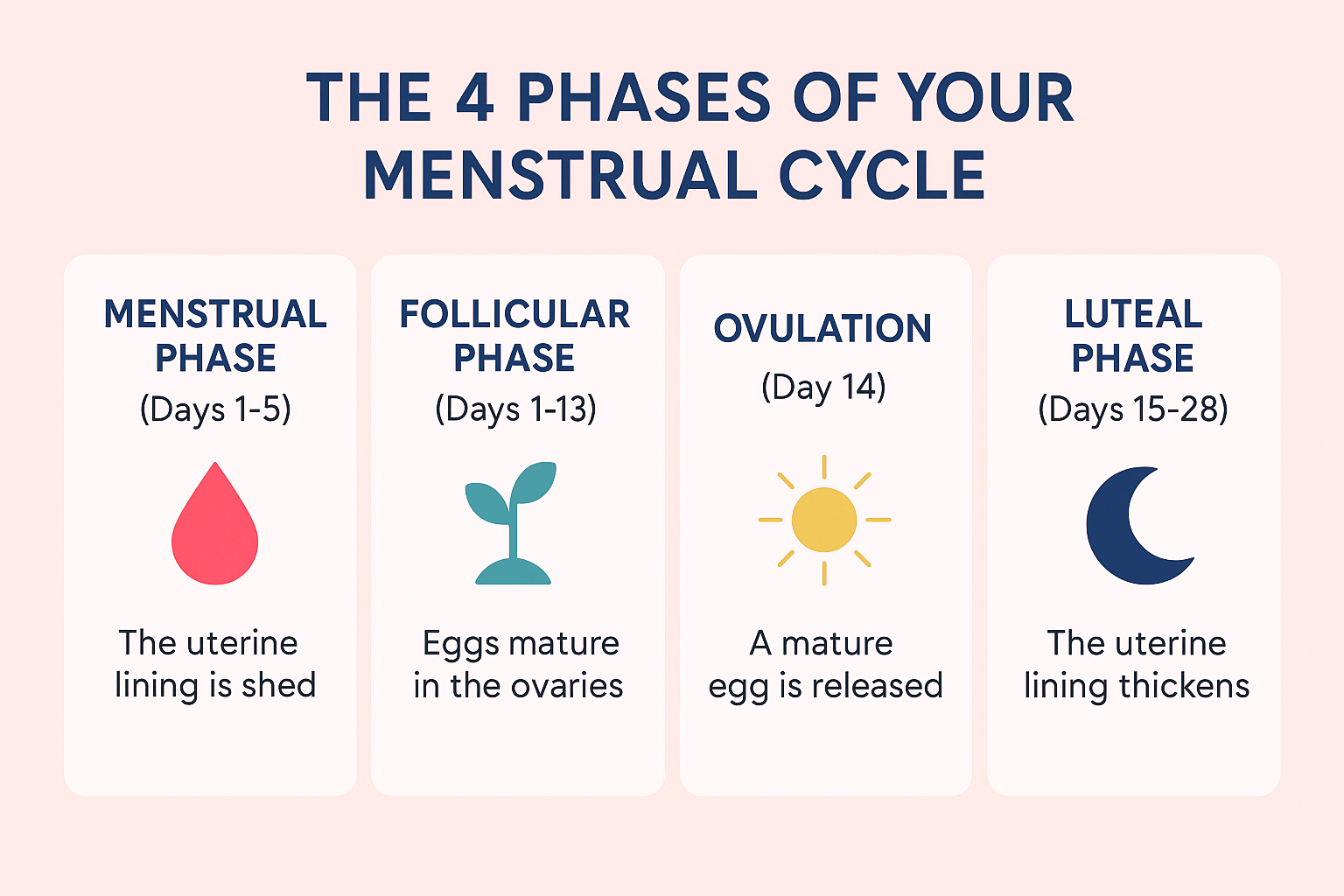
Before diving into specific period health tips, let’s talk about what’s actually happening in your body. Your menstrual cycle is typically 21-35 days long, with the average being 28 days. It’s divided into four distinct phases:
The Four Phases of Your Cycle:
- Menstrual Phase (Days 1-5): The shedding of your uterine lining
- Follicular Phase (Days 1-13): Your body prepares to release an egg
- Ovulation (Day 14): An egg is released from your ovary
- Luteal Phase (Days 15-28): Your body prepares for potential pregnancy
Understanding these phases helps you anticipate changes in your energy, mood, and physical symptoms throughout the month. I’ve found that knowing where I am in my cycle helps me plan important events and practice better self-care when I need it most.
Essential Period Health Tips for Every Woman
1. Track Your Period Religiously
One of the most valuable period health tips I can offer is to track your cycle consistently. This isn’t just about knowing when to pack tampons in your bag—it’s about understanding your body’s unique patterns.
What to track:
- Start and end dates of your period
- Flow intensity (light, medium, heavy)
- Symptoms (cramps, headaches, mood changes, bloating)
- Cycle length variations
- Ovulation signs (cervical mucus changes, mild cramping)
You can use apps, a simple calendar, or a dedicated journal. The key is consistency. After a few months, you’ll start noticing patterns that can help you predict symptoms and even identify potential health issues early.
2. Prioritize Iron-Rich Foods
During menstruation, you lose blood—and with it, iron. This can lead to fatigue, weakness, and even anemia if you’re not careful. I learned this the hard way after experiencing constant exhaustion during my periods for months!
Iron-rich foods to incorporate:
| Food | Iron Content | Additional Benefits |
|——|————-|———————|
| Spinach | High | Rich in magnesium for cramp relief |
| Red meat | Very High | Contains vitamin B12 |
| Lentils | High | Plant-based protein source |
| Dark chocolate | Moderate | Mood-boosting properties |
| Pumpkin seeds | Moderate | Contains zinc and omega-3s |
Pair these iron-rich foods with vitamin C sources like oranges or bell peppers to enhance absorption. Creating nutritious, balanced meals—like this delicious Chinese beef and broccoli—can help you maintain your iron levels while enjoying your food.
3. Stay Hydrated Throughout Your Cycle
Here’s a period health tip that seems almost too simple: drink more water. But hydration is absolutely crucial for managing bloating, reducing headaches, and supporting your body’s natural detoxification processes.
Hydration guidelines during your period:
- Aim for 8-10 glasses of water daily
- Increase intake if you exercise or live in a hot climate
- Limit caffeine, which can worsen cramps and dehydration
- Try herbal teas like ginger or chamomile for added benefits
I keep a large water bottle with me throughout the day and set reminders on my phone. It’s made a noticeable difference in how I feel, especially during the heaviest days of my period.
4. Choose the Right Menstrual Products
The menstrual product market has exploded in recent years, giving us more options than ever. Each has its pros and cons, and the right choice depends on your lifestyle, flow, and personal preferences.
Popular menstrual product options:
- Pads: Easy to use, good for overnight, but can feel bulky
- Tampons: Convenient and discreet, but require regular changing
- Menstrual cups: Eco-friendly and cost-effective, with a learning curve
- Period underwear: Comfortable and reusable, great for light days or backup
- Menstrual discs: Similar to cups but can be worn during sex
Whatever you choose, remember to change products regularly (every 4-8 hours for tampons and pads) to prevent bacterial growth and toxic shock syndrome (TSS). Never leave a tampon in for more than 8 hours.
5. Manage Cramps Naturally
Period cramps (dysmenorrhea) affect about 50-90% of menstruating women, but you don’t always need to reach for painkillers. These natural remedies have been game-changers for me:
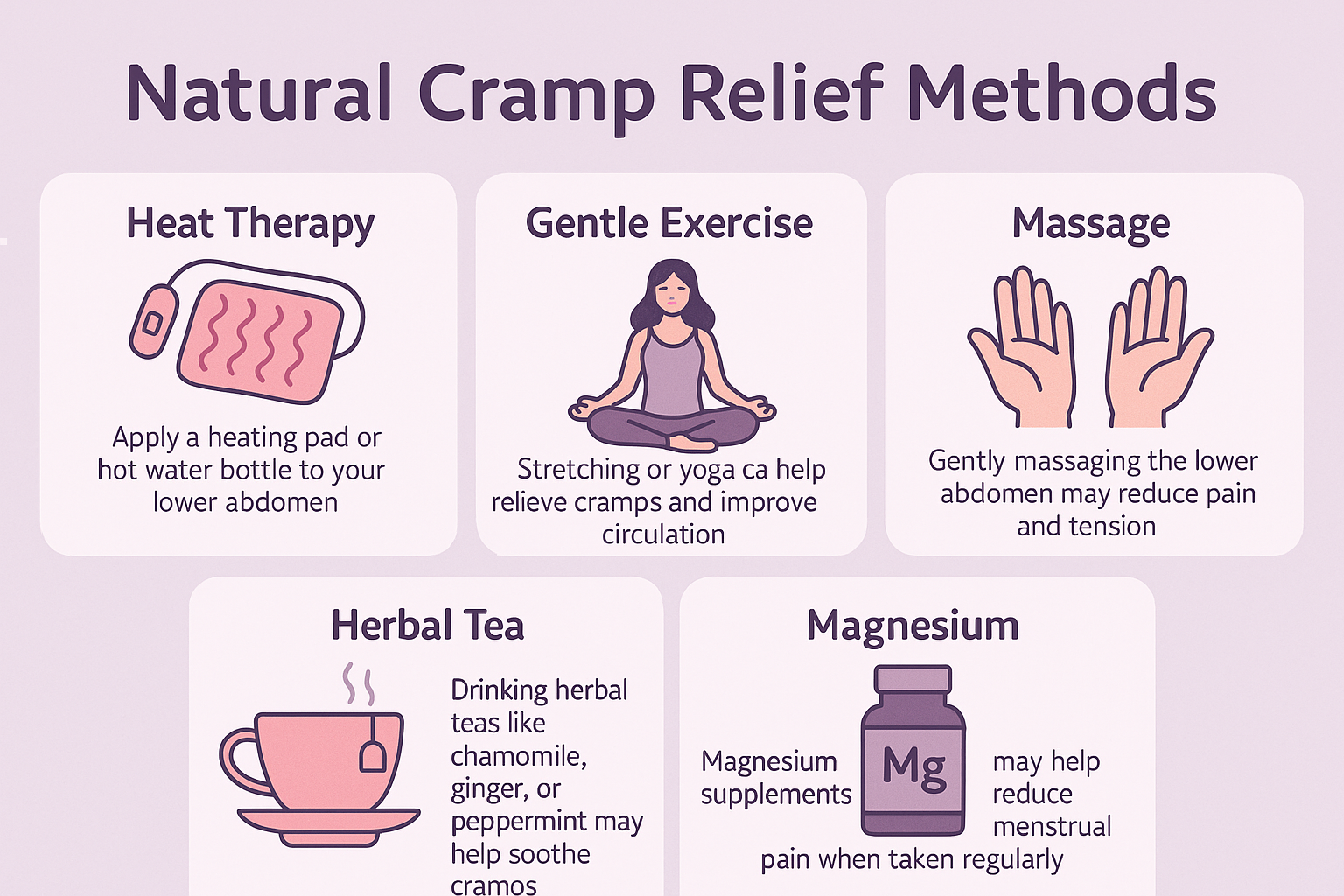
Natural cramp relief methods:
✨ Heat therapy: Apply a heating pad or hot water bottle to your lower abdomen
✨ Gentle exercise: Walking, yoga, or stretching can release endorphins
✨ Massage: Gently massage your lower back and abdomen
✨ Herbal teas: Try ginger, chamomile, or raspberry leaf tea
✨ Magnesium supplements: Can help relax muscles (consult your doctor first)
Creating a self-care routine specifically for your period can make these days much more manageable. I dedicate time during my period to rest, use my heating pad, and practice gentle yoga.
6. Exercise Smart During Your Period
Contrary to old myths, exercising during your period is not only safe—it can actually help reduce symptoms! The key is listening to your body and adjusting intensity as needed.
Best exercises during menstruation:
- Light cardio (walking, swimming)
- Yoga (especially restorative poses)
- Pilates
- Gentle stretching
- Light strength training
Avoid intense workouts if you’re experiencing heavy bleeding or severe cramps. Remember, movement is beneficial, but rest is equally important. Some days, a gentle walk is all you need, and that’s perfectly okay.
7. Optimize Your Sleep
Quality sleep is crucial for hormone regulation and managing period symptoms. During menstruation, your body needs extra rest to recover from blood loss and hormonal fluctuations.
Sleep tips for better period health:
- Maintain a consistent sleep schedule
- Keep your bedroom cool (helps with night sweats)
- Use extra pillows for comfort
- Consider sleeping in the fetal position to ease cramps
- Avoid screens an hour before bed
I’ve incorporated these habits into my Sunday reset routine, which helps me prepare for the week ahead, especially if my period is approaching.
8. Nourish Your Body with the Right Foods
Beyond iron, certain foods can help balance hormones and reduce period symptoms. Think of food as medicine during this time.
Foods that support period health:
Anti-inflammatory foods:
- Fatty fish (salmon, mackerel)
- Turmeric
- Berries
- Leafy greens
- Nuts and seeds
Foods to limit:
- Processed foods high in salt (worsen bloating)
- Excess sugar (causes energy crashes)
- Alcohol (dehydrates and disrupts hormones)
- Excessive caffeine (increases anxiety and cramps)
I meal prep during the week before my period so I have nutritious options ready when I’m not feeling my best. Planning ahead is one of my favorite budget-friendly strategies that works for all aspects of life.
9. Support Your Mental Health
The hormonal fluctuations during your menstrual cycle can significantly impact your mood and mental well-being. PMS (premenstrual syndrome) affects up to 75% of women, and for some, it can be severe enough to interfere with daily life.
“Your period is not just a physical experience—it’s an emotional and mental one too. Honoring your need for extra support during this time isn’t weakness; it’s wisdom.”
Mental health strategies during your period:
- Practice mindfulness or meditation
- Journal your feelings and symptoms
- Limit stressful activities when possible
- Reach out to supportive friends or family
- Consider therapy if PMS significantly impacts your life
Taking time for mental health is just as important as physical care. I’ve found that incorporating mindful summer activities throughout the year helps me maintain better overall mental wellness, which positively impacts my period experience.
10. Know When to See a Doctor
This is perhaps the most critical period health tip: knowing when your symptoms warrant medical attention. Not all period pain is normal, and you deserve to feel well.
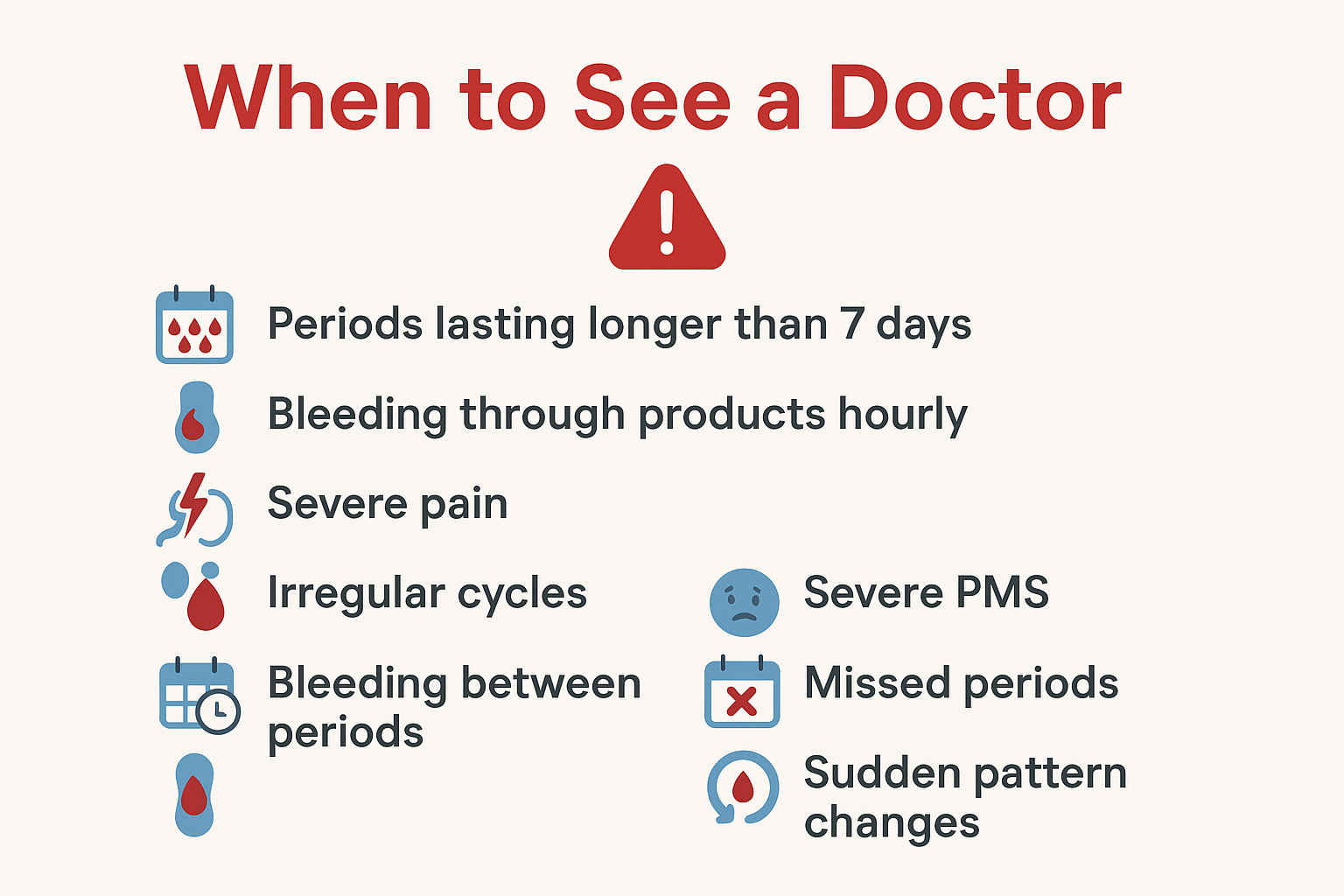
See a healthcare provider if you experience:
⚠️ Periods lasting longer than 7 days
⚠️ Bleeding through a pad or tampon every hour for several hours
⚠️ Severe pain that interferes with daily activities
⚠️ Irregular cycles (varying by more than 7-9 days)
⚠️ Bleeding between periods
⚠️ Severe PMS or PMDD symptoms
⚠️ Missed periods (when not pregnant)
⚠️ Sudden changes in your normal pattern
Conditions like endometriosis, PCOS (polycystic ovary syndrome), and fibroids are common but often go undiagnosed for years. Don’t let anyone dismiss your symptoms as “just part of being a woman.” Your pain is valid, and you deserve proper care.
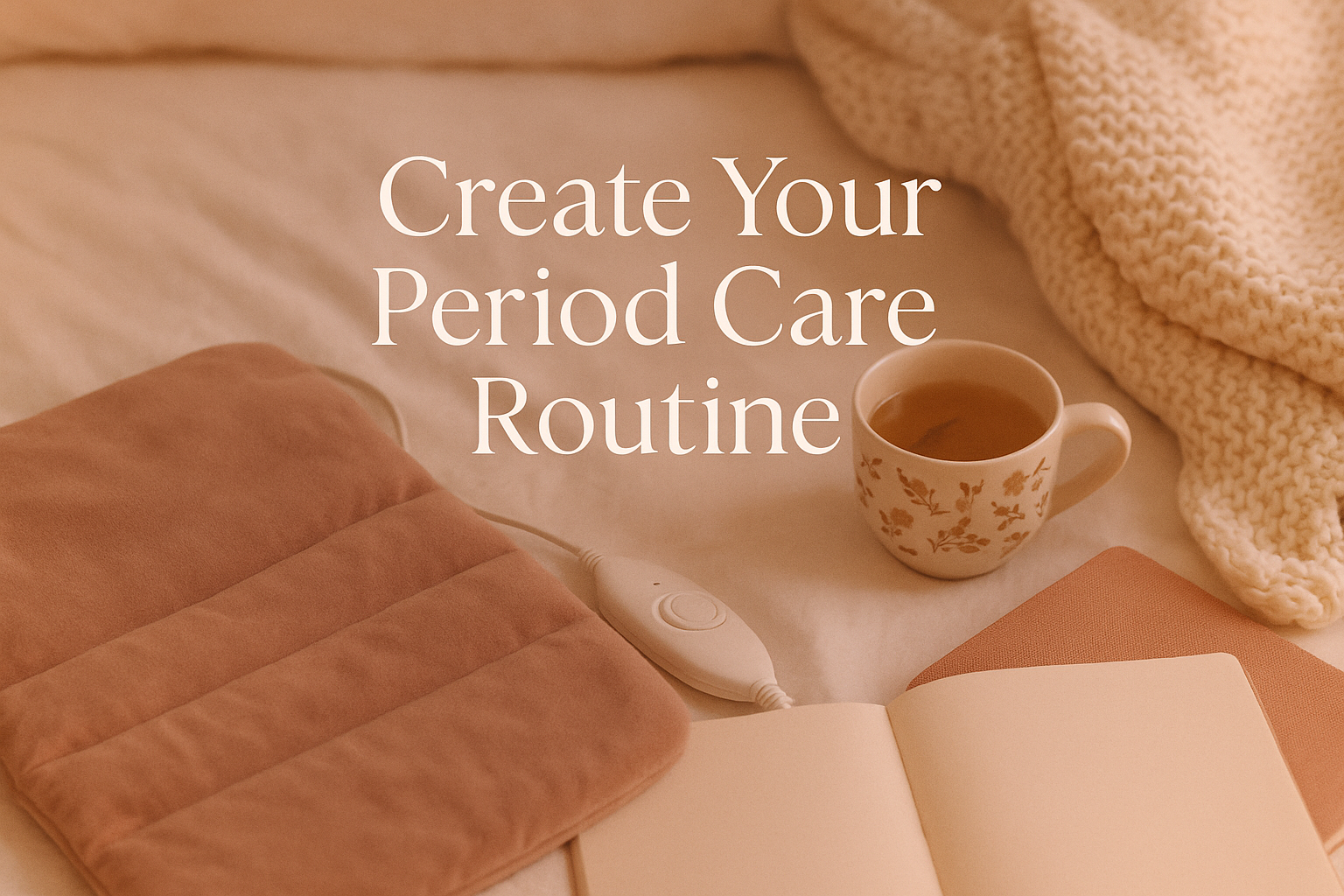
Creating Your Personal Period Care Routine
Now that we’ve covered essential period health tips, let’s talk about creating a personalized care routine. Everyone’s period experience is different, so your routine should reflect your unique needs.
My 5-day period care routine:
Day 1 (Heaviest flow):
- Take it easy with work and social commitments
- Use heat therapy for cramps
- Eat iron-rich meals
- Go to bed early
Days 2-3:
- Gentle yoga or walking
- Continue hydration focus
- Check in with my mood and practice self-compassion
- Use my favorite period products
Days 4-5:
- Gradually increase activity level
- Reflect on the cycle in my tracking app
- Prepare for the energy boost of the follicular phase
Creating this structure has helped me feel more in control and less at the mercy of my cycle. Consider developing your own self-care checklist tailored to your period needs.
Period Health Tips for Different Life Stages
Your period health needs evolve throughout your life. Here’s what to focus on at different stages:
Teens and Early 20s
- Establish healthy tracking habits early
- Learn about normal vs. abnormal symptoms
- Don’t be embarrassed to ask questions
- Focus on nutrition and stress management
20s and 30s
- Monitor fertility signs if planning pregnancy
- Be aware of conditions like endometriosis and PCOS
- Maintain consistent healthcare visits
- Balance career stress with self-care
40s and Perimenopause
- Track changes in cycle length and flow
- Manage new or worsening symptoms
- Discuss hormone changes with your doctor
- Prepare for menopause transition
Building a Period Emergency Kit
Being prepared can reduce period-related stress significantly. I keep emergency kits in three places: at home, in my car, and at work.
Essential items for your period kit:
- Variety of menstrual products
- Pain relievers (ibuprofen works best for cramps)
- Heating pad or heat patches
- Extra underwear
- Wet wipes or feminine hygiene wipes
- Healthy snacks (dark chocolate, nuts)
- Water bottle
- Stain remover pen
Having these items readily available has saved me from many uncomfortable situations. It’s a simple preparation that makes a big difference.
The Connection Between Stress and Your Period
Stress can wreak havoc on your menstrual cycle, causing irregular periods, worse PMS symptoms, and even missed periods. Managing stress is therefore a crucial period health tip.
Stress-reduction techniques:
- Regular exercise (even gentle movement helps)
- Meditation or deep breathing exercises
- Adequate sleep (7-9 hours nightly)
- Time in nature
- Creative outlets
- Social connections
Planning stress-reducing activities, whether it’s romantic budget-friendly dates with your partner or solo time for hobbies, can positively impact your cycle regularity and symptom severity.
Understanding Period Blood: What’s Normal?
The color and consistency of your period blood can tell you a lot about your health. While variations are normal, knowing what to look for helps you identify potential concerns.
Period blood color guide:
- Bright red: Fresh blood, normal for days 2-3
- Dark red or brown: Older blood, normal at the start or end
- Pink: May indicate low estrogen or spotting
- Orange: Could signal infection if accompanied by odor
- Gray: May indicate infection—see a doctor
Consistency variations:
- Thin and watery: Normal, especially with light flow
- Thick with clots: Normal if clots are smaller than a quarter
- Very heavy with large clots: May indicate hormonal imbalance or fibroids
Pay attention to what’s normal for you. Sudden changes warrant a conversation with your healthcare provider.
Conclusion: Taking Control of Your Period Health
Understanding and implementing these period health tips can genuinely transform your relationship with your menstrual cycle. Your period doesn’t have to be something you just “get through” each month—with the right knowledge and tools, it can become a natural part of your life that you manage confidently.
Your action plan:
- Start tracking your cycle today using an app or journal
- Schedule a checkup with your healthcare provider if you haven’t had one recently
- Build your period emergency kit for home, work, and on-the-go
- Choose one self-care practice to implement during your next period
- Educate yourself continuously about reproductive health
Remember, every woman’s period experience is unique. What works for your friend or sister might not work for you, and that’s okay. The goal is to understand your body, honor its needs, and seek help when something doesn’t feel right.
Your period is a vital sign of your overall health—treat it with the attention and care it deserves. By prioritizing period health, you’re investing in your long-term wellness, fertility, and quality of life. You deserve to feel your best every day of the month, not just the days when you’re not menstruating.
Here’s to healthier, more empowered periods in 2025 and beyond!