
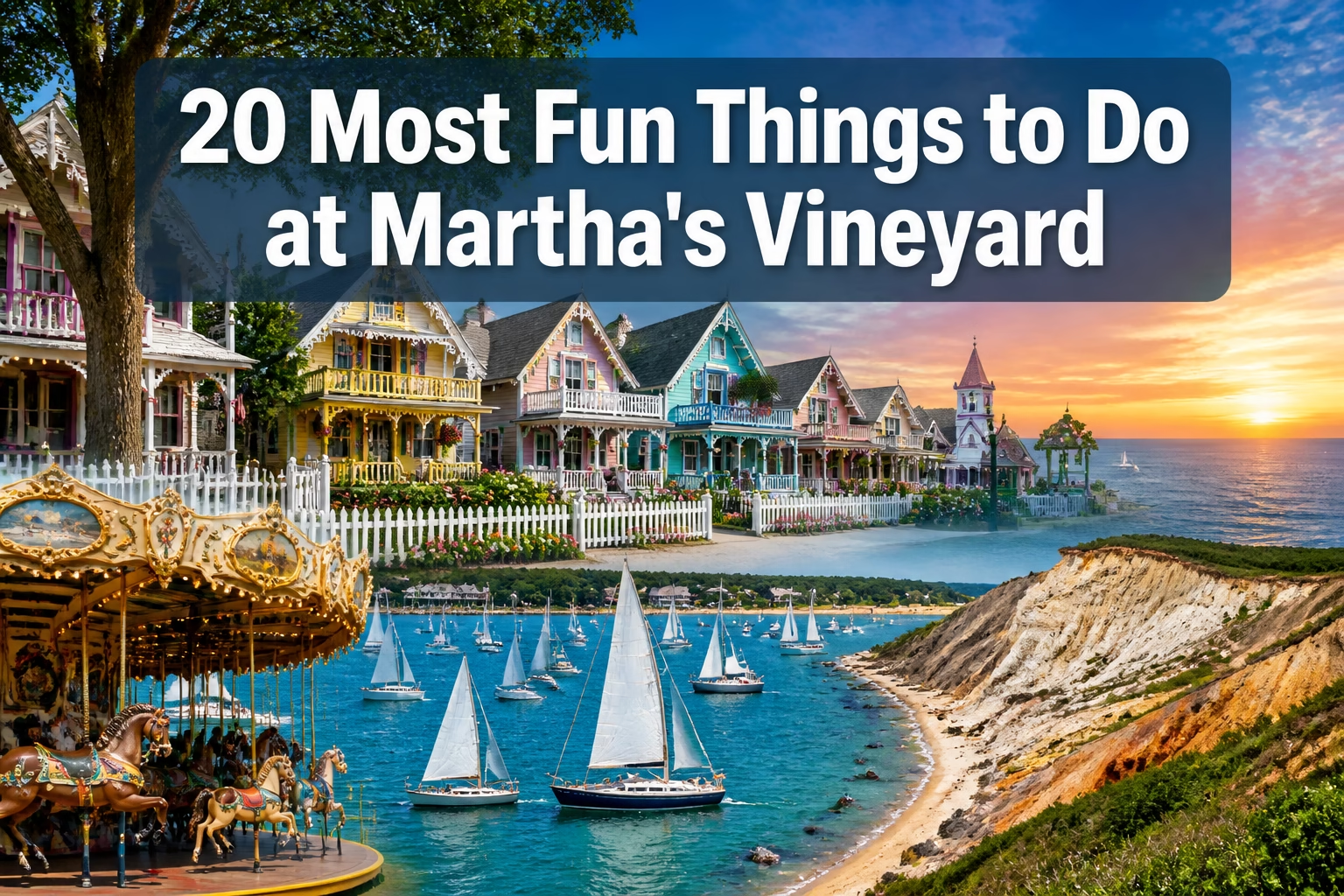
Martha’s Vineyard draws over 200,000 visitors annually to its 100 square miles of coastal charm, making it one of New England’s most sought-after island destinations. The 20 most fun things to do at Martha’s Vineyard range from jumping off the famous Jaws Bridge to exploring America’s oldest carousel, offering activities for every type of traveler—whether you’re seeking adventure, relaxation, or cultural immersion. This Massachusetts island combines historic landmarks, pristine beaches, charming villages, and unique experiences you won’t find anywhere else.
What Makes the Aquinnah Cliffs a Must-See Landmark?
The Aquinnah Cliffs stand as Martha’s Vineyard’s most photographed natural wonder, featuring dramatic multicolored clay formations that tower above the Atlantic Ocean. This geological marvel showcases layers of rust, ochre, cream, and grey sediment deposited over millions of years, creating a visual spectacle that changes with the light throughout the day.
The site includes an easily accessible overlook with panoramic views, the historic Gay Head Lighthouse (built in 1799), and a cluster of Native American-owned shops and eateries. Visitors can walk down to the beach below the cliffs for a closer perspective and explore tide pools during low tide
What to know before you go:
- Arrive early morning or late afternoon for the best lighting and fewer crowds
- The beach access requires navigating stairs and can be steep
- Swimming is allowed, but currents can be strong
- Parking fills quickly in summer; consider arriving before 10 AM
- The lighthouse offers tours on select days
The cliffs hold cultural significance as part of the Wampanoag tribal lands, and the surrounding area maintains its authentic character through locally-owned businesses and preserved natural landscapes.

Why Should You Visit the Gingerbread Cottages in Oak Bluffs?
The Gingerbread Cottages create a fairy-tale neighborhood unlike any other in America. Located at the Martha’s Vineyard Camp Meeting Association, this community features over 300 Victorian-era cottages painted in vibrant colors with intricate trim work, creating a storybook atmosphere perfect for photography and strolls.
Originally built as temporary canvas tents for Methodist camp meetings in the 1830s, these structures evolved into permanent wooden cottages by the 1860s. The architectural style features:
- Ornate Gothic Revival details with pointed arches and decorative scrollwork
- Bright color combinations ranging from pink and yellow to purple and green
- Compact designs typically under 500 square feet
- The Tabernacle at the center—an open-air church with excellent acoustics, hosting summer concerts
The best way to experience this area is on foot, wandering the circular paths around the Tabernacle. The community comes alive during summer evenings when residents gather for concerts and social events. Grand Illumination Night in August showcases the cottages adorned with colorful lanterns, recreating a tradition dating back to 1869.
For those interested in outdoor activities beyond the beach, the cottage area connects to Oak Bluffs’ downtown shopping district and waterfront.
What Makes Menemsha Fishing Village Worth the Trip?
Menemsha offers an authentic working fishing village experience in the town of Chilmark, where commercial fishing boats still dock daily with fresh catches. This small harbor community provides the island’s best seafood dining experience, combined with stunning sunset views.
Top reasons to visit Menemsha:
Larsen’s Fish Market stands as the village’s culinary centerpiece, serving cooked-to-order lobster, clam chowder, steamers, mussels, and maintaining a raw bar with the day’s freshest offerings. The market operates from early morning through evening, with picnic tables along the harbor where you can dine while watching boats come and go.
Menemsha Beach provides the perfect spot for sunset viewing. The west-facing beach offers unobstructed horizon views, and locals consider it the island’s premier sunset location. Arrive 30-45 minutes before sunset to claim a good spot on the sand or rocks.
The village also features several other seafood shacks, a general store, and a small beach shop. The harbor itself makes for excellent photography, with colorful fishing boats, weathered docks, and lobster traps creating classic New England coastal scenes.
Common mistake to avoid: Don’t wait until sunset to order food—lines at Larsen’s can be 30+ minutes long during peak season. Order early, then enjoy your meal during the sunset.
How Can You Experience the Famous Jaws Bridge?
The American Legion Memorial Bridge, universally known as “Jaws Bridge,” connects Oak Bluffs and Edgartown and serves as one of Martha’s Vineyard’s most iconic landmarks. This location gained fame from the 1975 Steven Spielberg film, where the fictional shark attack scene was filmed.
What you can do at Jaws Bridge:
- Jump off the bridge into the water below (a local summer tradition)
- Take photos recreating scenes from the movie
- Watch others jump while enjoying the beach area
- Purchase commemorative T-shirts in nearby Oak Bluffs or Edgartown
Safety considerations: The water depth varies with tides, and currents can be strong. Only jump during high tide, and be aware of boat traffic in the channel. Local authorities sometimes restrict jumping during particularly busy periods or when conditions are unsafe.
The bridge sits on a scenic route between two of the island’s main towns, making it easy to incorporate into a day of exploration. The surrounding area includes beach access and parking, though spaces fill quickly on summer weekends.
If you’re planning a summer vacation with multiple activities, check out our guide to things you should do in 2026 for more seasonal inspiration.
What Makes the Martha’s Vineyard Pirate Adventure Special for Families?
The Martha’s Vineyard Pirate Adventure offers an interactive experience aboard a custom-built pirate vessel designed specifically for children’s imaginations. This isn’t a passive boat tour—it’s a fully immersive theatrical adventure where kids become part of the crew.
What’s included in the experience:
- Pirate costumes and accessories for all children
- Face painting in pirate designs
- Interactive storytelling with professional actors
- Treasure hunts with actual prizes
- Water cannon battles with rival ships
- Singing sea shanties and learning pirate lingo
The 90-minute voyage departs from Oak Bluffs harbor and cruises the coastal waters while the crew engages children in the ongoing pirate narrative. Parents appreciate the high-energy entertainment that keeps kids engaged while they enjoy the harbor views.
Best for: Ages 3-10, though older children who enjoy imaginative play also have fun. Reservations are required and should be made well in advance during the summer months, as tours frequently sell out.
The pirate adventure represents one of many fun things to do at the beach that go beyond typical seaside activities.
Why Is the Flying Horses Carousel a Historic Treasure?
The Flying Horses Carousel holds the distinction of being the oldest operating platform carousel in America, having entertained riders since 1876. Originally located at Coney Island, the carousel was moved to Oak Bluffs in 1884, where it has operated continuously ever since.
What makes this carousel unique:
The horses are hand-carved from wood and feature real horsehair manes and tails, a detail rarely found in modern carousels. Each horse has individual character and craftsmanship, with intricate painted details that have been carefully preserved through generations of restoration work.
The carousel operates on its original mechanism, creating the authentic “flying” sensation as centrifugal force pushes riders outward during rotation. The brass ring game adds an interactive element—riders on the outside horses can reach for brass rings as they pass a dispenser, with the goal of catching the rare brass ring among the steel ones.
Practical details:
- Located on Circuit Avenue in Oak Bluffs
- Operates daily during summer, weekends in the shoulder seasons
- Rides cost approximately $3 per person
- Cash only
- No age restrictions—adults ride free with a child
The carousel building itself is a historic structure, and the National Register of Historic Places recognizes the carousel’s cultural significance. The experience offers a tangible connection to 19th-century leisure culture and represents the kind of simple pleasure that defined American seaside resorts.

What Can You Discover at Island Alpaca Company?
Island Alpaca Company operates as a working alpaca farm where visitors can meet these gentle animals up close while learning about alpaca husbandry and fiber production. The farm houses dozens of alpacas, each with distinct personalities and names like Toast, Butter, Marco, and Lorenzo.
What to expect during your visit:
The farm tour includes walking among the alpaca herds, learning about their care and breeding, and understanding the process of harvesting and processing their fleece. Staff members share information about alpaca behavior, diet, and the differences between alpacas and llamas (a common confusion).
The on-site gift shop sells handmade products crafted from the farm’s alpaca fleece, including:
- Hats and beanies
- Gloves and mittens
- Sweaters and cardigans
- Scarves and shawls
- Socks and slippers
- Yarn for knitters
Why alpaca products matter: Alpaca fiber is warmer than sheep’s wool, hypoallergenic, and extremely soft. The products make excellent souvenirs that are both practical and locally produced.
The farm provides a peaceful rural experience that contrasts nicely with the island’s beach and town attractions. It’s particularly appealing for families with young children and anyone interested in sustainable agriculture or textile arts.
How Does Sailing the Vineyard Offer Unique Water Experiences?
Sail the Vineyard has earned recognition as the #1-rated sailing charter on TripAdvisor for five consecutive years, offering intimate sailing experiences on the waters surrounding Martha’s Vineyard. Unlike large tour boats, these charters provide authentic sailing where guests can participate in operating the vessel or simply relax and enjoy the journey.
Charter options include:
- Sunset sails timed to catch the golden hour light
- Day sails exploring the coastline and nearby islands
- Private charters for couples, families, or small groups
- Special occasion sails for proposals, anniversaries, or celebrations
The experienced captains share knowledge about local maritime history, point out landmarks from the water, and often spot wildlife, including seals, osprey, and occasionally dolphins. The perspective from the water reveals the island’s geography in ways land-based exploration cannot match.
What to bring: Sunscreen, sunglasses, light layers (it’s cooler on the water), and cameras. Most charters provide beverages and light snacks, but confirm when booking.
Choose this if: You want a more intimate, participatory water experience rather than a large group tour. The smaller vessel size (typically 6-8 passengers maximum) creates a personal atmosphere and allows for route flexibility based on wind conditions and passenger interests.
What Makes Polly Hill Arboretum a Botanical Paradise?
The Polly Hill Arboretum spans 70 acres of meticulously curated gardens featuring rare trees and shrubs collected from around the world. Founded by horticulturist Polly Hill, who began planting the property in 1958, the arboretum now houses thousands of plant species set among stone walls, meadows, and woodland paths
Highlights of the collection:
The arboretum specializes in woody plants adapted to the island’s coastal climate, including notable collections of:
- North American natives like dogwoods, hollies, and magnolias
- Asian species, including rare Japanese maples and Korean stewartias
- Hybrid plants developed by Polly Hill herself
- Conifers from multiple continents
- Flowering shrubs that provide year-round interest
The grounds are designed for self-guided exploration, with well-marked trails ranging from easy 20-minute loops to longer walks covering the entire property. Interpretive signs provide botanical information and historical context.
Educational programming includes lectures, workshops, guided tours, and classes throughout the growing season. Topics range from pruning techniques to plant identification to landscape design principles.
Best time to visit: Late spring for flowering trees and shrubs, fall for spectacular foliage color. The arboretum remains open year-round, and winter visits offer a different perspective on plant structure and evergreen collections.
This attraction appeals to serious gardeners, casual nature lovers, and anyone seeking a peaceful retreat from the busier tourist areas.
How Do You Access the Cape Poge Lighthouse Tour?

Cape Poge Lighthouse stands at the northeastern tip of Chappaquiddick Island, accessible only by four-wheel-drive vehicles traveling through sand. This remote location makes the lighthouse tour an adventure in itself, requiring advance planning and the right equipment.
Requirements for visiting:
- Valid 4WD vehicle (high clearance recommended)
- Cape Poge Wildlife Refuge permit (purchased in advance)
- Proper tire deflation for sand driving (12-15 PSI)
- Recovery equipment (shovel, tow strap)
- Understanding of tide schedules (some areas are impassable at high tide)
What you’ll experience:
The journey covers several miles of beach and dune trails through the wildlife refuge, where you may encounter piping plovers, ospreys, and other protected species. The lighthouse itself dates to 1893 (replacing earlier structures from 1801) and offers tours that include climbing to the top for panoramic views and learning about the lighthouse keeper’s life.
The surrounding area features pristine beaches, excellent fishing spots, and the Cape Poge Bay, which is popular for kayaking and paddleboarding. The remoteness ensures you’ll encounter few other visitors, creating a sense of discovery rare on Martha’s Vineyard.
Alternative option: The Trustees of Reservations offers guided tours via their vehicles for those without 4WD capability. These tours include transportation, lighthouse access, and naturalist interpretation.
Common mistake: Attempting the drive without proper preparation or during unfavorable tide conditions. Check tide charts and weather forecasts, and don’t hesitate to turn back if conditions exceed your skill level.
What Makes Classic Aviators Biplane Tours Unforgettable?
Classic Aviators offers vintage biplane flights from Katama Airfield, providing aerial perspectives of Martha’s Vineyard that reveal the island’s geography, beaches, and landmarks from a completely different vantage point. The open-cockpit experience in authentic vintage aircraft creates a thrilling adventure that combines history with sightseeing.
Flight options and pricing:
Tours start at $299 for two people (one passenger plus pilot) for a 20-minute flight covering the southern shore and Edgartown. Longer flights extend to 30 or 45 minutes, covering more of the island, including the Aquinnah Cliffs and northern beaches.
Thrill ride options add aerobatic maneuvers like loops, rolls, and hammerhead turns for passengers seeking maximum excitement. These require signing additional waivers and aren’t recommended for those with motion sensitivity.
What you’ll see from above:
- The full extent of the island’s coastline and beaches
- The contrast between developed towns and preserved lands
- Ponds, harbors, and inland water bodies
- The Aquinnah Cliffs’ colorful formations
- Boats and maritime activity
- The island’s agricultural areas and forests
The vintage biplanes are meticulously maintained and piloted by experienced aviators who provide narration through headset communication. Passengers wear period-appropriate leather helmets and goggles, adding to the authentic 1920s-1930s aviation experience.
Best for: Adventure seekers, aviation enthusiasts, photographers (cameras are allowed and encouraged), and anyone wanting a unique perspective on the island. Weight restrictions apply, and advance reservations are essential during peak season.
How Do Sonnyside Rides Offer a Unique Transportation Experience?
Sonnyside Rides provides horse-drawn carriage tours using magnificent Percheron draft horses, each weighing approximately 2,100 pounds. These gentle giants pull authentic carriages through Oak Bluffs and the surrounding areas, offering a leisurely pace that allows passengers to appreciate architectural details and landscapes often missed when traveling by car.
What makes this experience special:
The Percheron breed originated in France and was historically used for farm work and hauling heavy loads. Their calm temperament and impressive size make them ideal for carriage work, and the drivers share information about the horses’ care, training, and personalities during rides.
Tour options include:
- Town tours through Oak Bluffs’ historic districts
- Gingerbread Cottage routes with stops for photos
- Custom routes for special occasions
- Private charters for weddings, proposals, or celebrations
The clip-clop of hooves on pavement and the carriage’s gentle sway create a relaxing atmosphere that feels transported from another era. The elevated seating position provides good views while the slow pace allows for conversation and observation.
Photography opportunities abound, both from the carriage and of the carriage itself. Many visitors arrange for someone to follow and photograph them during the ride, creating memorable images with the horses and historic settings.
Practical considerations: Rides operate weather-dependently and require advance booking during the summer. Dress comfortably and bring sun protection, as carriages offer limited shade.
What Beach Activities Should You Prioritize on Martha’s Vineyard?

Martha’s Vineyard boasts over 19 beaches, each with distinct characteristics suited to different activities and preferences. Understanding which beaches excel at specific activities helps you maximize your time and enjoyment.
South Beach (Katama Beach):
- Best for: Surfing, bodyboarding, strong swimmers
- Characteristics: Ocean-facing with consistent waves, strong currents
- Facilities: Lifeguards in summer, parking, restrooms
- Avoid if: You have young children or prefer calm water
State Beach (Joseph Sylvia State Beach):
- Best for: Families, swimming, kayaking
- Characteristics: Protected waters, gentle waves, long stretch
- Facilities: Parking along Beach Road, no lifeguards
- Popular for: Kiteboarding and stand-up paddleboarding
Lucy Vincent Beach:
- Best for: Privacy, natural beauty, adults
- Characteristics: Clay cliffs, clothing-optional section
- Access: Restricted to Chilmark residents and inn guests during the summer
- Note: Worth visiting in shoulder seasons when access opens
Oak Bluffs Town Beach:
- Best for: Convenience, families, beginners
- Characteristics: Calm harbor waters, near downtown
- Facilities: Full amenities, food nearby, easy parking
- Ideal for: Young children and first-time visitors
For more ideas on maximizing your beach time, explore our comprehensive guide to things to do at the beach.
Where Can You Find the Best Dining Experiences?
Martha’s Vineyard’s culinary scene ranges from casual seafood shacks to upscale restaurants, with an emphasis on fresh, locally-sourced ingredients. The island’s fishing heritage and agricultural community provide chefs with exceptional raw materials.
Seafood-focused dining:
Beyond Larsen’s Fish Market in Menemsha, several establishments deserve attention:
- The Net Result in Vineyard Haven offers a fish market and prepared foods
- Atlantic Fish & Chop House in Edgartown provides upscale seafood dining
- The Seafood Shanty in Edgartown serves classic preparations with harbor views
Farm-to-table restaurants:
The island’s agricultural heritage supports restaurants emphasizing local ingredients:
- Beach Plum Inn & Restaurant showcases island produce with fine dining
- State Road Restaurant in West Tisbury emphasizes seasonal menus
- The Port Hunter offers farm-sourced dishes in a casual setting
Casual favorites:
For relaxed dining with local character:
- Back Door Donuts (actually a bakery) serves legendary late-night pastries
- Slice of Life provides healthy breakfast and lunch options
- Offshore Ale Company brews craft beer and serves pub food
Reservation strategy: Book dinner reservations weeks in advance for summer visits. Many popular restaurants fill completely, and walk-in availability is rare during peak season.
What Cultural and Historical Sites Deserve Your Attention?
Martha’s Vineyard’s history spans Native American heritage, whaling prosperity, African American community development, and literary connections. Several sites preserve and interpret these stories.
The Martha’s Vineyard Museum in Vineyard Haven houses extensive collections documenting island history, including:
- Whaling artifacts and ship models
- Photographs and documents from the 19th and 20th centuries
- Native American cultural items
- Rotating exhibitions on specific topics
- The original Fresnel lens from Gay Head Lighthouse
The African American Heritage Trail marks 20+ sites significant to the island’s Black community, including:
- Shearer Cottage (first inn owned by African Americans)
- The Cottagers historic homes in Oak Bluffs
- Union Chapel
- Bradley Memorial Church
Edgartown’s Historic District features pristine examples of whaling-era architecture, with sea captains’ homes lining the streets. The Edgartown Lighthouse (1828) offers tours and harbor views.
Vincent House Museum represents the island’s oldest surviving dwelling (1672), providing insight into early colonial life through period furnishings and archaeological findings.
These sites provide context for understanding how Martha’s Vineyard evolved from Native American territory through colonial settlement, whaling prosperity, and into a diverse resort community.
How Can You Explore the Island’s Natural Areas and Wildlife?

Beyond beaches and towns, Martha’s Vineyard preserves significant natural areas protecting diverse ecosystems and wildlife. These properties offer hiking, birdwatching, and nature study opportunities.
Felix Neck Wildlife Sanctuary (Massachusetts Audubon):
- 350 acres of forests, fields, wetlands, and shoreline
- Four miles of trails with varying difficulty
- Visitor center with exhibits and naturalist programs
- Excellent birdwatching, especially during migration
- Educational programs for children and adults
Cedar Tree Neck Sanctuary:
- 300 acres on the north shore
- Trails through forests leading to coastal bluffs
- No beach access (protected nesting areas)
- Spectacular views of Vineyard Sound
- Quiet, less-visited than other preserves
Wasque Reservation (Chappaquiddick):
- 200 acres at the island’s southeastern corner
- Excellent surf fishing
- Seal watching (especially fall and winter)
- 4WD beach access with permit
- Bird migration hotspot
Long Point Wildlife Refuge:
- 633 acres with diverse habitats
- Two miles of south-facing beach
- Freshwater pond for swimming
- Parking is limited (arrive early or reserve)
- Ideal for combining beach time with nature walks
If you enjoy outdoor activities when you’re alone, these preserves offer peaceful solitude and natural beauty.
What Shopping Experiences Are Unique to Martha’s Vineyard?
Shopping on Martha’s Vineyard ranges from practical provisions to unique artisan goods, with each town offering distinct character and specialties.
Edgartown shopping:
- Upscale boutiques and galleries along Main Street and Water Street
- Vineyard Vines flagship store (brand originated here)
- Art galleries featuring local and regional artists
- Antique shops with a maritime and Americana focus
- Books and specialty shops
Oak Bluffs shopping:
- Circuit Avenue’s eclectic mix of souvenir shops, clothing, and gifts
- Island-themed merchandise and beachwear
- Flea market and vintage finds
- Casual, accessible shopping district
Vineyard Haven shopping:
- Bunch of Grapes Bookstore (island institution)
- Practical provisioning stores
- Art galleries and craft shops
- Working harbor atmosphere
West Tisbury:
- Alley’s General Store (operating since 1858)
- Farmers’ market (Wednesday and Saturday mornings)
- Local crafts and artisan goods
- The agricultural community feels
What to buy as souvenirs:
- Locally made jams, honey, and food products
- Artwork and photography by island artists
- Handcrafted jewelry featuring beach glass and shells
- Books by island authors or about island history
- Alpaca products from Island Alpaca Company
- Black Dog merchandise (iconic island brand)
What Activities Work Best for Different Weather Conditions?

Martha’s Vineyard’s weather varies significantly by season, and having backup plans ensures enjoyable visits regardless of conditions.
Rainy day alternatives:
- Martha’s Vineyard Museum for indoor historical exploration
- Movie theaters in Edgartown and Oak Bluffs
- Shopping in covered downtown areas
- Cooking classes at the island culinary schools
- Spa treatments at resort hotels
- Wine tasting at island wineries
- Indoor climbing at specialized facilities
Windy day opportunities:
- Kite flying at South Beach or State Beach
- Watching kiteboarding demonstrations
- Beachcombing (storms bring interesting finds)
- Lighthouse photography (dramatic conditions)
- Indoor activities listed above
Hot summer days:
- Early morning beach visits before crowds
- Shaded forest walks at Felix Neck or Cedar Tree Neck
- Air-conditioned museum visits during midday heat
- Late afternoon sailing when sea breezes strengthen
- Evening outdoor concerts and events
Shoulder season advantages (May, September, October):
- Fewer crowds at all attractions
- Better availability for restaurants and tours
- Pleasant temperatures for hiking and cycling
- Lower accommodation rates
- Authentic island atmosphere
Planning activities around weather patterns and having flexible schedules allows you to take advantage of conditions rather than fighting against them.
How Should You Plan Transportation Around the Island?
Getting around Martha’s Vineyard requires strategic planning, as the island’s geography and summer crowds create transportation challenges.
Vehicle options:
Bringing your car via ferry:
- Requires reservations (book months ahead for summer)
- Expensive ($200+ round trip)
- Often unnecessary given the island’s size and alternatives
- Parking can be difficult in towns
Renting on-island:
- Multiple rental agencies in Vineyard Haven and Oak Bluffs
- Book well in advance for summer availability
- Allows flexibility for reaching remote areas
- Consider visiting multiple towns daily
Alternative transportation:
Bicycle rental:
- Excellent for exploring individual towns and nearby areas
- Dedicated bike paths connect major towns
- Multiple rental shops with various bike styles
- Best for fit riders comfortable with hills
Bus system (VTA):
- Connects all six towns with regular service
- Free or low-cost depending on the route
- Reliable but limited evening service
- Excellent for basic transportation needs
Taxi and ride-share:
- Available but can be expensive
- Limited availability during peak times
- Useful for specific trips (airport, dinner reservations)
- Book in advance when possible
Walking:
- Each town center is walkable
- Oak Bluffs to Edgartown is 5 miles (doable but long)
- Sidewalks and shoulders vary by location
- Ideal for exploring individual towns thoroughly
Best strategy: Stay in one town and explore it thoroughly on foot, use bikes or buses for day trips to other towns, and rent a car only if planning to visit remote beaches or preserves requiring vehicle access.
What Should You Know About Accommodation Options?
Martha’s Vineyard offers diverse lodging from historic inns to modern hotels, with prices and availability varying dramatically by season.
Accommodation types:
Historic inns:
- Character-filled properties with unique histories
- Often include breakfast and afternoon refreshments
- Limited amenities compared to hotels
- Prime locations in town centers
- Examples: Charlotte Inn, Harbor View Hotel
Modern hotels:
- Full amenities, including pools and spas
- More standardized experiences
- Often located slightly outside town centers
- Better for families needing space and facilities
Vacation rentals:
- Houses and apartments throughout the island
- Best for longer stays and groups
- Require more planning (groceries, cooking)
- Often have minimum stay requirements
Camping:
- Martha’s Vineyard Family Campground (only option)
- Basic facilities, wooded setting
- Significantly less expensive than other options
- Book far in advance
Pricing and booking strategy:
Summer rates (June-August) can exceed $400-800 per night for standard accommodations, with luxury properties commanding much more. Shoulder season rates (May, September, October) drop 30-50%, and winter rates can be 60-70% lower.
Book 6-12 months in advance for summer visits, especially for specific properties or locations. Last-minute availability is rare and expensive.
Consider staying off-island in Falmouth or Woods Hole and day-tripping via ferry if budget is a primary concern, though this limits your time on the island and evening activities.
For more ideas on planning memorable experiences, check out our guide to fun things to do before summer starts.
Conclusion
The 20 most fun things to do at Martha’s Vineyard showcase an island that balances natural beauty, historic preservation, and modern amenities in ways few destinations achieve. From the geological wonder of Aquinnah Cliffs to the nostalgic charm of the Flying Horses Carousel, from jumping off Jaws Bridge to sailing pristine waters, the island offers experiences that create lasting memories for every type of visitor.
Your action plan for an unforgettable visit:
Start by booking accommodations and ferry reservations as early as possible—6-12 months ahead for summer travel. Research which towns align with your interests: Edgartown for upscale dining and shopping, Oak Bluffs for family activities and Victorian charm, or Chilmark for natural beauty and tranquility.
Reserve spots for popular activities like biplane tours, sailing charters, and pirate adventures well before arrival. Make dinner reservations at desired restaurants at least 2-3 weeks ahead. Plan a mix of structured activities and unscheduled time for spontaneous discoveries.
Consider visiting during shoulder seasons (May or September-October) for a more authentic experience with fewer crowds, better availability, and lower costs while still enjoying pleasant weather. Pack layers regardless of season, as coastal conditions change quickly.
Most importantly, slow down. Martha’s Vineyard rewards visitors who resist the urge to check every box and instead immerse themselves in the island’s relaxed pace. Whether you’re watching the sunset at Menemsha, strolling through the Gingerbread Cottages, or simply enjoying fresh lobster by the harbor, the island’s magic lies not just in its attractions but in the unhurried joy of experiencing them.
The 20 most fun things to do at Martha’s Vineyard represent starting points for your own island adventure. Each visit reveals new favorites, hidden spots, and reasons to return. Start planning your trip today, and discover why this Massachusetts island has captivated visitors for generations.
References
[1] Things To Do On Martha’s Vineyard – https://newenglandwanderlust.com/things-to-do-on-marthas-vineyard/
[2] 50 Free Things To Do Martha’s Vineyard 2026 – https://mvvacation.com/blog/50-free-things-to-do-marthas-vineyard-2026


