
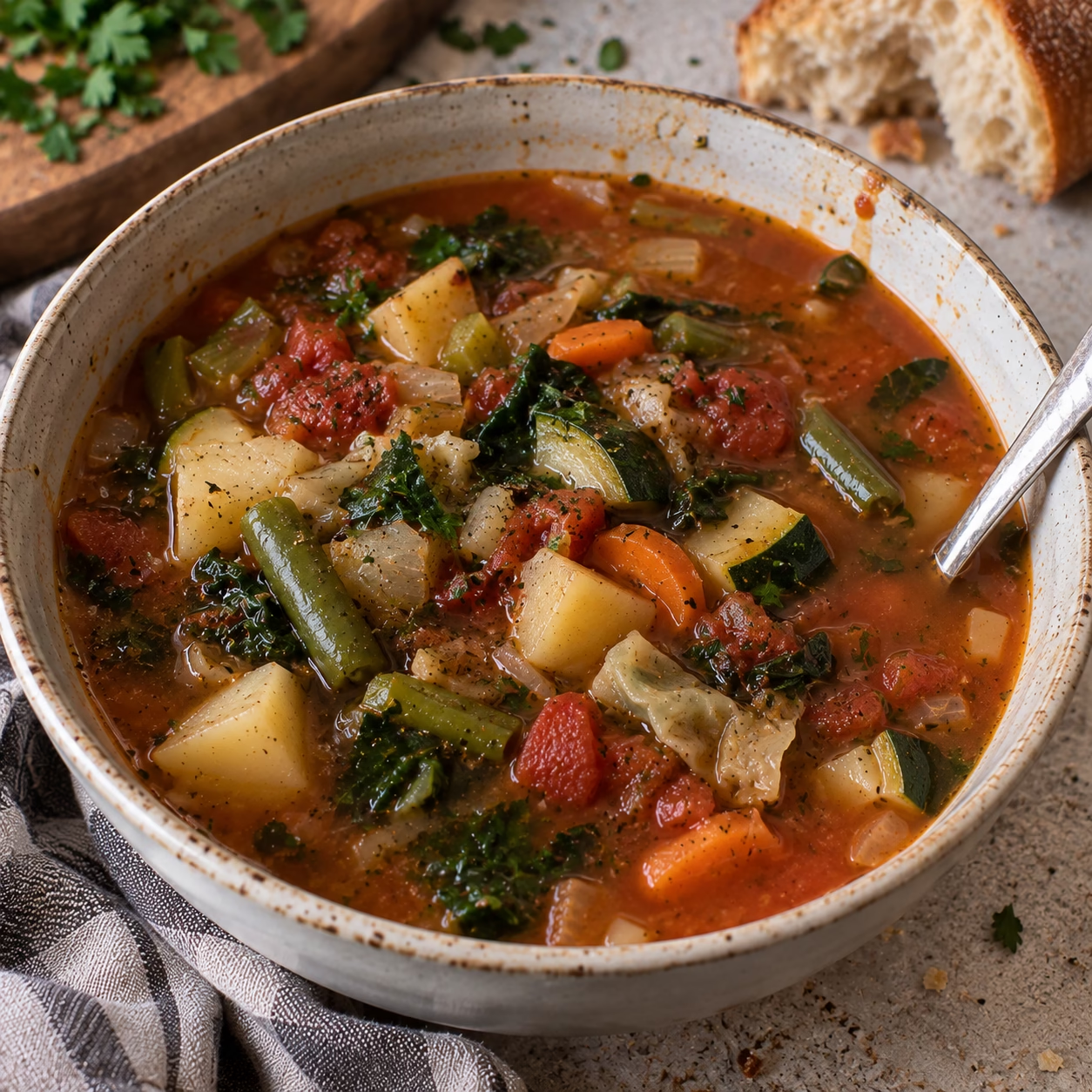
Vegetable soup is one of those recipes that doesn’t need to be complicated to be really good. A handful of everyday vegetables, a flavorful broth, a few simple seasonings, and about 45 minutes are all you need to make a pot of comforting homemade soup.
This version starts with onion, carrots, celery, and garlic sautéed until fragrant, then adds potatoes, green beans, cabbage, zucchini, and tomatoes. Everything simmers together until tender, with fresh greens, parsley, and a squeeze of lemon added at the end to brighten the broth.
It’s cozy enough for a cold evening, practical enough for meal prep, and flexible enough to accommodate whatever vegetables you already have in the fridge.
If you enjoy simple plant-based soups, try our Vegan Carrot Potato Soup or Creamy Cauliflower White Bean Soup next.
Quick Answer
To make homemade vegetable soup, sauté onion, carrots, celery, and garlic in olive oil until softened. Add potatoes, green beans, cabbage, and seasonings, then pour in vegetable broth and diced tomatoes. Simmer until the potatoes are nearly tender before adding zucchini. Finish with spinach or kale, fresh parsley, and lemon juice. The result is a hearty, flavorful soup ready in about 45 minutes.
❤️ Why You’ll Love This Recipe
- Budget-friendly, made with everyday vegetables and pantry staples.
- Highly adaptable, so you can easily use seasonal vegetables or whatever needs using.
- Meal-prep friendly, with enough servings for easy lunches throughout the week.
- Naturally plant-based, with no meat or dairy needed.
- Freezer-friendly, making it easy to save portions for another meal.
Ingredients You’ll Need
Here’s everything you need for a big, comforting pot of vegetable soup. The ingredients are simple, but cooking them in the right order makes a noticeable difference.

Base Aromatics
- 1 large yellow onion, diced
- 2 medium carrots, peeled and diced
- 2 celery stalks, diced
- 2 cloves garlic, minced
- 1 tablespoon olive oil
The onion, carrot, and celery form the flavor base of the soup. Dice them fairly small so they soften evenly and become part of the broth rather than remaining large, crunchy pieces.
Hearty Vegetables
- 1 large potato, Russet or Yukon Gold, peeled and cubed
- 1 cup green beans, trimmed and cut into 1-inch pieces
- 1 cup shredded cabbage
- 1 zucchini, diced
Broth & Seasonings
- 6 cups low-sodium vegetable broth
- 1 can (14.5 ounces) diced tomatoes, undrained
- 1 teaspoon dried thyme
- 1 bay leaf
- 1 teaspoon salt, plus more to taste
- ½ teaspoon black pepper
Optional Finish
- 1 cup fresh spinach or kale, chopped
- 1 tablespoon fresh parsley, chopped
- 1 tablespoon fresh lemon juice
Ingredient Notes & Substitutions
Potatoes: Yukon Gold or Russet potatoes both work well. You can also use sweet potato or parsnips for a slightly different flavor.
Green beans: Fresh green beans are great, but frozen green beans can be added directly to the pot.
Zucchini: Yellow squash makes an easy substitute.
Cabbage: If you don’t have cabbage, simply leave it out or replace it with another sturdy vegetable.
Vegetable broth: Low-sodium broth gives you more control over the final seasoning. If you aren’t keeping the soup vegetarian, chicken broth can also be used.
Tomatoes: Fresh diced tomatoes can be used when they’re in season. Use about 2 cups and add a little extra broth or water if the soup needs more liquid.
Equipment You’ll Need
- Large Dutch oven or soup pot, at least 6 quarts
- Chef’s knife
- Cutting board
- Wooden spoon or spatula
- Ladle
That’s all you need. No blender or special equipment is required.
How to Make Vegetable Soup
The process is simple, but the order matters. Start with the vegetables that need the most cooking time and save zucchini and leafy greens for later.
Step 1: Sauté the Aromatics
Heat the olive oil in a large Dutch oven or soup pot over medium heat.
Add the diced onion, carrots, and celery. Cook for 5–7 minutes, stirring occasionally, until the onion is translucent and the vegetables have started to soften.
Add the minced garlic and cook for another 30 seconds, just until fragrant.
Avoid letting the garlic brown heavily because it can become bitter.
Step 2: Add the Hearty Vegetables
Stir in the cubed potato, green beans, and shredded cabbage.
Add the dried thyme, bay leaf, salt, and black pepper. Stir everything together and cook for 2–3 minutes.
This short cooking period lets the vegetables pick up the flavors from the aromatics and seasonings before the broth is added.
Step 3: Add the Broth and Tomatoes
Pour in the vegetable broth and the diced tomatoes with their juices.
Stir well, scraping the bottom of the pot to loosen any flavorful bits. Bring the soup to a gentle boil.
Step 4: Simmer the Soup
Reduce the heat to low and partially cover the pot.
Let the soup simmer for about 15 minutes, or until the potatoes are beginning to become tender when pierced with a fork.
You don’t want the potatoes completely falling apart yet because they still need a little more cooking time once the zucchini is added.
Step 5: Add the Zucchini
Stir in the diced zucchini.
Continue simmering for another 8–10 minutes, until the potatoes are completely tender and the zucchini is cooked but still holds its shape.
Step 6: Add the Greens and Finish
Stir in the chopped spinach or kale.
If using spinach, cook for about 2 minutes, just until wilted. Kale can take a few minutes longer.
Remove the pot from the heat, then stir in the fresh parsley and lemon juice.
Taste the soup and adjust the salt and pepper as needed.
Chef’s note: Don’t underestimate the lemon juice. A small amount of acid at the end brightens the broth and makes the vegetable flavors taste more pronounced without making the soup taste lemony.
Step 7: Remove the Bay Leaf and Serve
Remove the bay leaf before serving.
Ladle the hot soup into bowls and finish with a little extra fresh parsley if you like.
For another comforting bowl, try our Winter Minestrone Soup Comfort Bowl For Cold Days or Italian Penicillin Soup.
Tips for the Best Vegetable Soup
Cut the vegetables into similar sizes.
Even pieces cook more evenly. If some potato cubes are much larger than others, you’ll have some that are still firm while smaller pieces are already falling apart.
Don’t rush the aromatics.
Those first 5–7 minutes give the onion, carrots, and celery time to soften and develop flavor. It’s worth giving them the time they need.
Add vegetables according to cooking time.
Potatoes and cabbage can handle a longer simmer, while zucchini and leafy greens need much less time. Adding everything at once can leave you with overcooked vegetables.
Season gradually.
Different vegetable broths and canned tomatoes contain different amounts of sodium. Start with the recommended amount of salt, then taste and adjust near the end.
Use a broth you enjoy.
The broth makes up most of the liquid, so its flavor matters. Low-sodium broth is particularly useful because you can build the seasoning yourself.
Don’t overcook the greens.
Spinach needs only a couple of minutes. Kale can take slightly longer. Adding them near the end keeps their texture and flavor fresher.
Finish with lemon juice.
The soup can taste flat even when it’s properly salted. A little lemon juice adds brightness and helps balance the savory broth.
Storage & Make-Ahead
Vegetable soup is an excellent make-ahead meal, and the flavors often become even more developed after a night in the refrigerator.
Refrigerator: Transfer leftovers to airtight containers and refrigerate promptly. For food safety, use refrigerated leftovers within 3–4 days.
Freezer: Allow the soup to cool appropriately, then portion it into freezer-safe containers. Leave room for expansion and freeze for best quality for about 3–4 months.
Cooling: For a large batch, divide the soup into smaller, shallow containers to help it cool more quickly before refrigeration.
Reheating: Reheat individual portions in the microwave or warm larger portions gently on the stovetop. If the soup has thickened in the refrigerator, add a splash of broth or water.
Make-ahead: Make the full batch on the weekend, portion it into containers, and refrigerate or freeze portions for quick lunches and dinners. Our Creamy Winter Vegan Garlic Chickpea Soup is another good option for batch cooking.
Variations

This vegetable soup is flexible enough to change depending on what you have available.
Protein-Boosted Vegetable Soup:
Add drained white beans, chickpeas, or lentils during the final 10 minutes of cooking. Cooked shredded chicken can also be added if you aren’t keeping the soup vegetarian. For another hearty bean soup, try our White Bean Soup With Bacon.
Spicy Vegetable Soup:
Add ½ teaspoon of red pepper flakes with the seasonings, or stir a little harissa into the finished soup.
Creamy Vegetable Soup:
Blend part of the soup and stir it back into the pot for a naturally thicker texture. You can also add a splash of coconut milk.
Asian-Inspired Vegetable Soup:
Replace the thyme with grated fresh ginger, swap some of the cabbage for bok choy, and finish with a little soy sauce and sesame oil.
Pasta Vegetable Soup:
Add about ½ cup of small pasta such as ditalini or orzo during the final 8–10 minutes of cooking. Add extra broth if needed because the pasta will absorb liquid.
Grain Vegetable Soup:
Stir in cooked quinoa or brown rice near the end for a heartier meal.
Curry-Spiced Vegetable Soup:
Add curry powder with the aromatics and replace part of the broth with coconut milk. If you enjoy this flavor combination, try our Yummy Vegan Coconut Curry Chickpea Soup.
Common Mistakes to Avoid
Adding everything at once:
Different vegetables cook at different speeds. Adding zucchini and greens at the beginning can leave them overcooked by the time the potatoes are ready.
Skipping the sauté:
You can technically add the raw aromatics directly to the broth, but sautéing them first creates a more developed flavor.
Adding too much salt:
Broth and canned tomatoes can already contain sodium. Season gradually and taste before adding more.
Boiling too aggressively:
A gentle simmer is all the soup needs. A hard boil can break down the vegetables too quickly.
Forgetting the finishing acid:
If the soup tastes flat even after seasoning, try the lemon juice. A small amount can make the entire pot taste brighter.
Leaving the bay leaf in:
Always remove the bay leaf before serving.
FAQ
Can I use frozen vegetables in vegetable soup?
Yes. Frozen green beans, peas, corn, and other suitable vegetables can go straight into the pot without thawing. They may release a little extra water, so allow the soup to simmer for a few additional minutes if necessary.
How long does vegetable soup last in the fridge?
For food safety, refrigerate the soup promptly and use it within 3–4 days. If you won’t finish it during that time, freeze it instead.
Can I freeze vegetable soup?
Yes. Vegetable soup freezes well when portioned into freezer-safe containers. Leave some room at the top for expansion. Potatoes can become slightly softer or more mealy after freezing and thawing, but the soup will still make a convenient freezer meal.
Is this vegetable soup gluten-free?
The recipe can be gluten-free, but check the label on your vegetable broth and any other packaged ingredients if you need the finished soup to be strictly gluten-free.
Can I make vegetable soup in a slow cooker?
Yes. For the best flavor, sauté the onion, carrots, celery, and garlic on the stovetop first. Transfer them to a slow cooker with the potatoes, green beans, cabbage, tomatoes, broth, and seasonings. Add the zucchini and tender greens toward the end so they don’t become overly soft.
What’s the best way to add protein to vegetable soup?
Canned white beans, chickpeas, and lentils are easy choices. You can also add cooked shredded chicken, sausage, tofu, or another protein that pairs well with the vegetables.
Why does my vegetable soup taste bland?
Start by checking the seasoning and the flavor of your broth. If those are balanced but the soup still tastes flat, add a small amount of lemon juice at the end. The acidity helps bring the other flavors forward.
Can I make this soup without oil?
Yes. Sauté the aromatics in a few tablespoons of vegetable broth instead of olive oil. The vegetables won’t have quite the same richness, but the soup will still work well.
More Soup Recipes You’ll Love
If you enjoy easy, comforting soups, try these next:
- Vegan Carrot Potato Soup
- Creamy Cauliflower White Bean Soup
- Winter Minestrone Soup Comfort Bowl For Cold Days
- Italian Penicillin Soup
- White Bean Soup With Bacon
Conclusion
This vegetable soup is exactly the kind of everyday recipe that’s worth knowing by heart. You don’t need unusual ingredients or complicated techniques. Start with a flavorful base of onion, carrots, celery, and garlic, add vegetables according to how quickly they cook, simmer everything in broth and tomatoes, and finish with fresh herbs and lemon juice.
Once you understand that basic formula, you can change it endlessly. Use seasonal vegetables, add beans for protein, stir in pasta for a heartier meal, or simply use whatever is sitting in your refrigerator.
Make a big pot for dinner, pack the leftovers for lunch, and freeze a few portions for another day. It’s simple, comforting, flexible, and genuinely useful—the kind of recipe you’ll come back to again and again.
Easy Homemade Vegetable Soup
Equipment
- 6-quart Dutch oven or soup pot, chef’s knife, cutting board, wooden spoon, ladle
Ingredients
- 1 tablespoon olive oil
- 1 large yellow onion diced
- 2 medium carrots peeled and diced
- 2 celery stalks diced
- 2 cloves garlic minced
- 1 large potato peeled and cubed
- 1 cup green beans trimmed and cut into 1-inch pieces
- 1 cup shredded cabbage
- 1 teaspoon dried thyme
- 1 bay leaf
- 1 teaspoon salt plus more to taste
- ½ teaspoon black pepper
- 6 cups low-sodium vegetable broth
- 1 can 14.5 ounces diced tomatoes, undrained
- 1 zucchini diced
- 1 cup fresh spinach or kale chopped, optional
- 1 tablespoon fresh parsley chopped, optional
- 1 tablespoon fresh lemon juice optional
Instructions
- Heat the olive oil in a large pot over medium heat. Add the onion, carrots, and celery and cook for 5–7 minutes until softened.
- Add the garlic and cook for about 30 seconds.
- Stir in the potato, green beans, cabbage, thyme, bay leaf, salt, and black pepper. Cook for 2–3 minutes.
- Pour in the vegetable broth and diced tomatoes with their juices. Bring to a gentle boil.
- Reduce the heat, partially cover, and simmer for about 15 minutes.
- Add the zucchini and simmer for another 8–10 minutes, until the potatoes are tender and the zucchini is cooked but not mushy.
- Stir in the spinach or kale and cook until wilted.
- Remove the pot from the heat. Remove the bay leaf and stir in the parsley and lemon juice, if using.
- Taste and adjust the salt and pepper before serving.
Notes


