
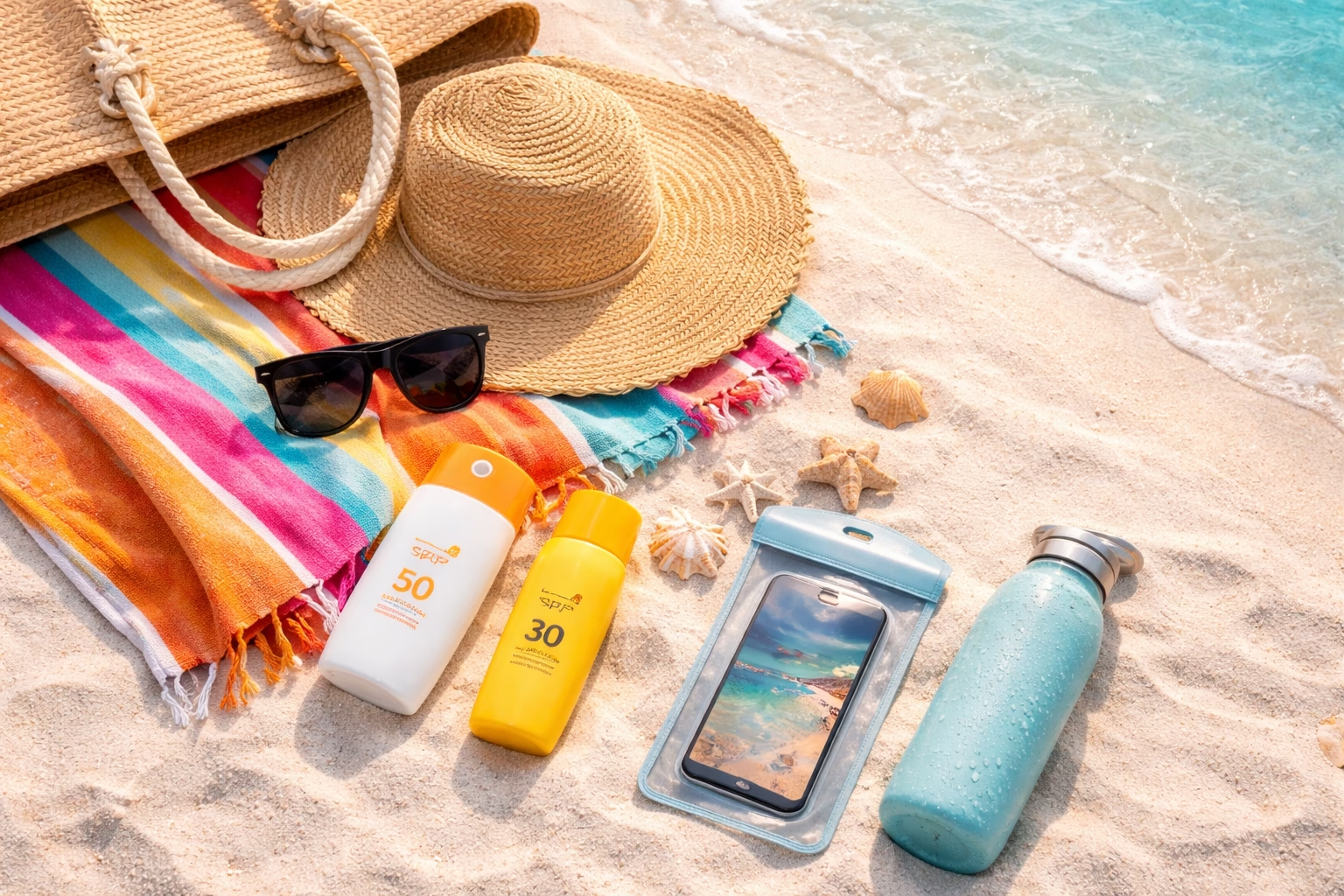
Whenever I head to the beach, I know that a little preparation can make the difference between a relaxing day and an uncomfortable one. I’ve learned that forgetting simple things like sunscreen, a water bottle, or a waterproof phone case can quickly put a damper on the experience. That’s why I always pack a few beach day essentials that help me stay comfortable, protected, and ready for hours by the water. In this guide, I’m sharing the beach essentials I never leave home without, along with a few extras that can make your next beach day even more enjoyable.
Key Takeaways
• Sun protection is non-negotiable – reef-safe SPF 50+ sunscreen, wide-brimmed hat, and UV-blocking sunglasses prevent skin damage and eye strain
• Hydration equipment saves money – reusable water bottles and insulated coolers keep drinks cold while reducing plastic waste
• Comfort items extend beach time – quality beach chairs, umbrellas, and large towels make hours on the sand enjoyable
• Waterproof protection prevents disasters – phone cases and dry bags protect electronics and valuables from water and sand
• Entertainment enhances the experience – portable speakers, beach games, and reading materials prevent boredom during downtime
• Safety supplies handle emergencies – compact first aid kits address minor cuts, jellyfish stings, and sunburns immediately
• Organization simplifies packing – mesh beach bags and separate compartments keep items sand-free and easy to locate
What Are the Most Important 15 Beach Day Essentials You Need?
The most important beach day essentials fall into five categories: sun protection, hydration, comfort, safety, and entertainment. Each item serves a specific purpose to keep you protected, comfortable, and prepared throughout your coastal adventure.
I learned this the hard way during my first solo beach trip in 2024. I showed up with just a towel and my phone, thinking I’d be fine for a few hours. Within 90 minutes, I was sunburned, dehydrated, and desperately wishing I’d brought literally anything else. That experience taught me that proper beach preparation isn’t optional; it’s essential.
1. Sun Protection Essentials
Reef-safe sunscreen (SPF 50+) tops the list because sun damage accumulates quickly near water. The ocean reflects UV rays, intensifying exposure by up to 25% [1]. Choose mineral-based formulas with zinc oxide or titanium dioxide that won’t harm marine ecosystems. Apply 30 minutes before sun exposure and reapply every two hours or after swimming.

Wide-brimmed hat provides shade for your face, neck, and ears—areas often missed by sunscreen application. Look for hats with at least a 3-inch brim and UPF 50+ rating. Packable styles work best for travel since they won’t lose shape in your beach bag.
Polarized sunglasses reduce glare from water and sand while protecting your eyes from UV damage. The American Optometric Association notes that prolonged UV exposure increases cataract risk. Choose wraparound styles with 100% UV protection for maximum coverage.
2. Hydration and Cooling Equipment
Insulated water bottle keeps drinks cold for 8-12 hours in direct sunlight. Stainless steel bottles with wide mouths accommodate ice cubes easily. Bring at least 32 ounces per person for a half-day beach visit [2].
Portable cooler stores snacks, extra water, and perishable items safely. Soft-sided coolers work well for beach trips because they’re lightweight when empty and fit awkwardly shaped items. Pack frozen water bottles as makeshift ice packs that become drinking water as they melt.
Comfort Items That Make or Break Your Day
Large beach towel or blanket creates your personal space on the sand. Microfiber towels dry three times faster than cotton and shake sand off easily. I prefer Turkish cotton for comfort, but microfiber wins for practicality. Choose towels at least 60×70 inches for adequate coverage.
Beach umbrella or tent provides crucial shade during peak sun hours (10 AM to 4 PM). Sand anchors prevent umbrellas from becoming dangerous projectiles in coastal winds. Pop-up beach tents offer more space and better wind resistance for families or groups.
Portable beach chair saves your back and keeps you elevated above hot sand. Look for chairs with adjustable recline positions, cup holders, and storage pouches. Lightweight aluminum frames (under 5 pounds) make transportation easier.
3. What Safety and Protection Items Should You Pack?
Safety items prevent minor inconveniences from becoming trip-ending disasters. A compact first aid kit, waterproof phone case, and dry bag form your essential protection trio.
First aid kit handles common beach injuries like cuts from shells, jellyfish stings, and blisters. Include adhesive bandages, antibiotic ointment, pain relievers, antihistamine, tweezers, and aloe vera gel. Pre-assembled beach-specific kits cost $15-25 and cover most scenarios.

Waterproof phone case protects your device from water, sand, and drops. Choose cases with IPX8 rating (submersible to 6 feet) that maintain full touchscreen functionality. Test the seal with tissue paper before trusting it with your phone.
Dry bag keeps valuables, extra clothes, and electronics completely dry. Roll-top bags with 10-20 liter capacity suit day trips perfectly. Use different colored bags to organize items by category—blue for electronics, yellow for clothes, red for first aid.
4. What Entertainment and Convenience Items Enhance Beach Days?
Entertainment items transform waiting time into enjoyable activities. The right mix depends on whether you’re seeking relaxation or active fun.
Waterproof Bluetooth speaker provides music without risking your phone near water. Models with 10+ hour battery life and IPX7 rating handle beach conditions reliably. Keep volume respectful, sound travels far on open beaches
Beach games and sports equipment encourage movement and social interaction. Frisbees, paddleball sets, and inflatable beach balls pack flat and entertain for hours. Spikeball and kan jam work well for competitive groups.
Reading material or e-reader fills quiet moments perfectly. Waterproof e-readers like Kindle Paperwhite handle splashes and glare better than phones. Download content before leaving since beach areas often have poor cellular service.
How Do You Organize and Transport Beach Essentials?
Organization prevents the frustrating “where did I put that?” moments that plague beach trips. A mesh beach bag serves as your primary carrier because sand falls through instead of accumulating inside.
Large mesh beach bag should have multiple compartments, reinforced straps, and waterproof pockets for phones and wallets. Bags with external attachment points let you clip wet items separately. I use carabiners to attach my water bottle and sunscreen for quick access.
Portable charger/power bank keeps devices alive for photos, music, and emergency calls. Choose models with 10,000+ mAh capacity and dual USB ports. Solar-powered chargers work theoretically but charge too slowly for practical beach use.

Reusable snack containers prevent crushed chips and sandy food. Hard-sided containers with secure lids protect fruit, sandwiches, and crackers. Pack protein-rich snacks like nuts, jerky, and cheese to maintain energy without frequent trips to concession stands.
What Additional Items Complete Your Beach Day Setup?
These final essentials address specific situations and personal preferences. Not everyone needs every item, but having them available prevents regrets.
Lip balm with SPF protects the thin, sensitive skin on your lips. Regular sunscreen burns if it gets in your mouth, making dedicated lip protection necessary. Reapply every hour since lips can’t produce melanin for natural protection
After-sun care products soothe skin and prevent peeling even when you’ve been careful with sunscreen. Aloe vera gel, moisturizing lotion, and hydrocortisone cream address different skin reactions. Store these in your cooler for an extra cooling effect.
Change of clothes and plastic bag for wet items prevents soggy car seats and uncomfortable drives home. Pack lightweight, quick-dry fabrics. The plastic bag contains wet swimsuits and towels so they don’t dampen everything else.
How Should Beginners Prioritize These 15 Beach Day Essentials?
Start with the “survival six” if you’re on a tight budget or testing whether beach days suit you. These six items prevent health issues and major discomfort: reef-safe sunscreen, water bottle, beach towel, hat, sunglasses, and waterproof phone case.
Add comfort items next to the beach chair, umbrella, and cooler once you know you’ll spend 3+ hours at the beach regularly. These investments pay off quickly in improved experience quality.
Entertainment and convenience items come last because you can improvise alternatives. You don’t technically need a Bluetooth speaker when your phone works, though the speaker improves the experience significantly.
Budget breakdown for beginners:
- Essential tier ($50-75): Sunscreen, water bottle, towel, hat, sunglasses, phone case
- Comfort tier ($75-150): Beach chair, umbrella, cooler, beach bag
- Enhancement tier ($50-100): Speaker, games, dry bag, power bank, first aid kit
What Mistakes Do People Make When Packing Beach Essentials?
The biggest mistake is overpacking items you won’t actually use. I’ve watched people haul full-size coolers, multiple chairs, and elaborate shade structures for two-hour beach visits. Match your gear to your actual planned duration and activities.
Common packing mistakes to avoid:
- Bringing cotton towels that stay damp and heavy all day
- Forgetting to check sunscreen expiration dates (they lose effectiveness after 3 years)
- Packing glass containers that can break and create dangerous beach hazards
- Bringing expensive jewelry or watches that can get lost in sand or water
- Skipping the test-run for new waterproof cases before trusting them with electronics
Another frequent error is neglecting to prep items the night before. Frozen water bottles need 8-12 hours to freeze solid. Sunscreen works best when applied 30 minutes before sun exposure. Phone batteries should start at 100%. These small preparations compound into significantly better beach days.
How Do You Adapt Beach Essentials for Different Beach Types?
Rocky beaches require water shoes with thick soles to prevent cuts and bruises. Sandy beaches need sand-resistant fabrics and mesh bags. Secluded beaches demand extra safety supplies since help isn’t nearby.
For family beach days with kids: Add sand toys, extra sunscreen, rash guards, floaties, and additional snacks. Children need reapplication of sunscreen every 90 minutes since they’re constantly in and out of water.
For fitness-focused beach visits: Bring resistance bands, a waterproof fitness tracker, running shoes for beach jogging, and extra water for higher exertion activities.
For sunset beach sessions: Pack a light jacket or sweatshirt since temperatures drop 10-15°F after sunset. Bring a headlamp or flashlight for packing up in low light. Consider a small blanket instead of a beach chair for romantic evening setups.
If you’re planning multiple outdoor adventures this year, check out our guide on self-care essentials that complement beach day preparation.
FAQ
What’s the most forgotten beach essential? Lip balm with SPF is the most commonly forgotten item. People remember sunscreen for their body but neglect their lips, which burn easily and painfully. Keep a spare tube in your beach bag permanently.
How much sunscreen do I actually need for a beach day? Adults need approximately 1 ounce (a shot glass full) for each application covering the entire body. For a 6-hour beach day with reapplication every 2 hours, bring at least 4 ounces per person.
Are expensive beach chairs worth the investment? Yes, if you beach regularly. Quality chairs ($50-100) last 5+ years and provide significantly better back support than budget options. Cheap chairs ($15-25) often break within one season and offer minimal comfort.
What’s the best way to keep sand out of everything? Use baby powder or cornstarch on sandy skin—it absorbs moisture and makes sand brush off easily. Keep a separate bag for sandy items and shake everything before packing your car.
Do I really need a waterproof phone case? Absolutely. Sand and saltwater destroy phones quickly. Even if you’re careful, accidents happen. A $15-25 waterproof case protects a $700+ device and enables underwater photos.
How do I choose reef-safe sunscreen? Look for mineral-based formulas with zinc oxide or titanium dioxide as active ingredients. Avoid oxybenzone, octinoxate, and octocrylene, which damage coral reefs. Hawaii and Key West have banned non-reef-safe sunscreens.
What size cooler should I bring? A 20-30 quart cooler suits 2-4 people for a half-day trip. It holds 24-36 cans plus ice. Larger groups or full-day trips need 40-50 quart coolers. Soft-sided coolers work better for beach transport than hard-sided ones.
Can I bring my own food to public beaches? Most public beaches allow outside food and non-alcoholic beverages. Check local regulations since some beaches restrict glass containers, grills, or alcohol. Private resort beaches typically prohibit outside food.
How early should I arrive at the beach? Arrive before 9 AM for the best parking spots and prime beach real estate. Mid-morning (10 AM-12 PM) brings peak crowds. Afternoon sessions after 3 PM offer smaller crowds but hotter conditions.
What’s the ideal beach bag material? Mesh or perforated materials let sand fall through instead of accumulating. Nylon mesh dries quickly and resists mildew. Avoid canvas or fabric bags that trap sand and stay damp for days.
Should I bring my own beach umbrella or rent one? Bring your own if you beach more than 3-4 times per season. Rental umbrellas cost $15-30 per day, so a $40-60 umbrella pays for itself quickly. Rentals make sense for occasional visitors or when traveling by air.
How do I prevent my belongings from being stolen at the beach? Never leave valuables unattended. Use a small waterproof bag that you can take into the water. Bury car keys in sand under your towel (not in plain sight). Consider a portable beach safe that anchors into sand for expensive items.
Conclusion
The 15 beach day essentials you need create the foundation for safe, comfortable, and memorable coastal experiences. Start with sun protection, hydration, and basic comfort items, then expand your collection based on your specific beach habits and preferences.
I’ve refined my beach kit over dozens of trips, and these essentials have prevented countless problems while enhancing every visit. The initial investment might seem significant, but quality beach gear lasts for years and transforms occasional beach visits into regular, stress-free escapes.
For more ways to enhance your outdoor wellness routine, explore our self-love habits that will change your life and discover how intentional preparation extends beyond beach days.
The difference between a mediocre beach day and an exceptional one often comes down to having the right essentials within reach. Pack smart, stay protected, and make 2026 your best beach season yet.
References
[1] Beach Trips What To Bring – https://funorangecountyparks.com/beach-trips-what-to-bring.html
[2] 15 Essentials For Your Next Beach Trip – https://www.shermanstravel.com/advice/15-essentials-for-your-next-beach-trip
[3] Beach Vacation Packing List What Things Pack Beach Trip – https://eaglecreek.com/blogs/articles/beach-vacation-packing-list-what-things-pack-beach-trip
[4] What To Pack For A Beach Vacation – https://terilynadams.com/what-to-pack-for-a-beach-vacation/


