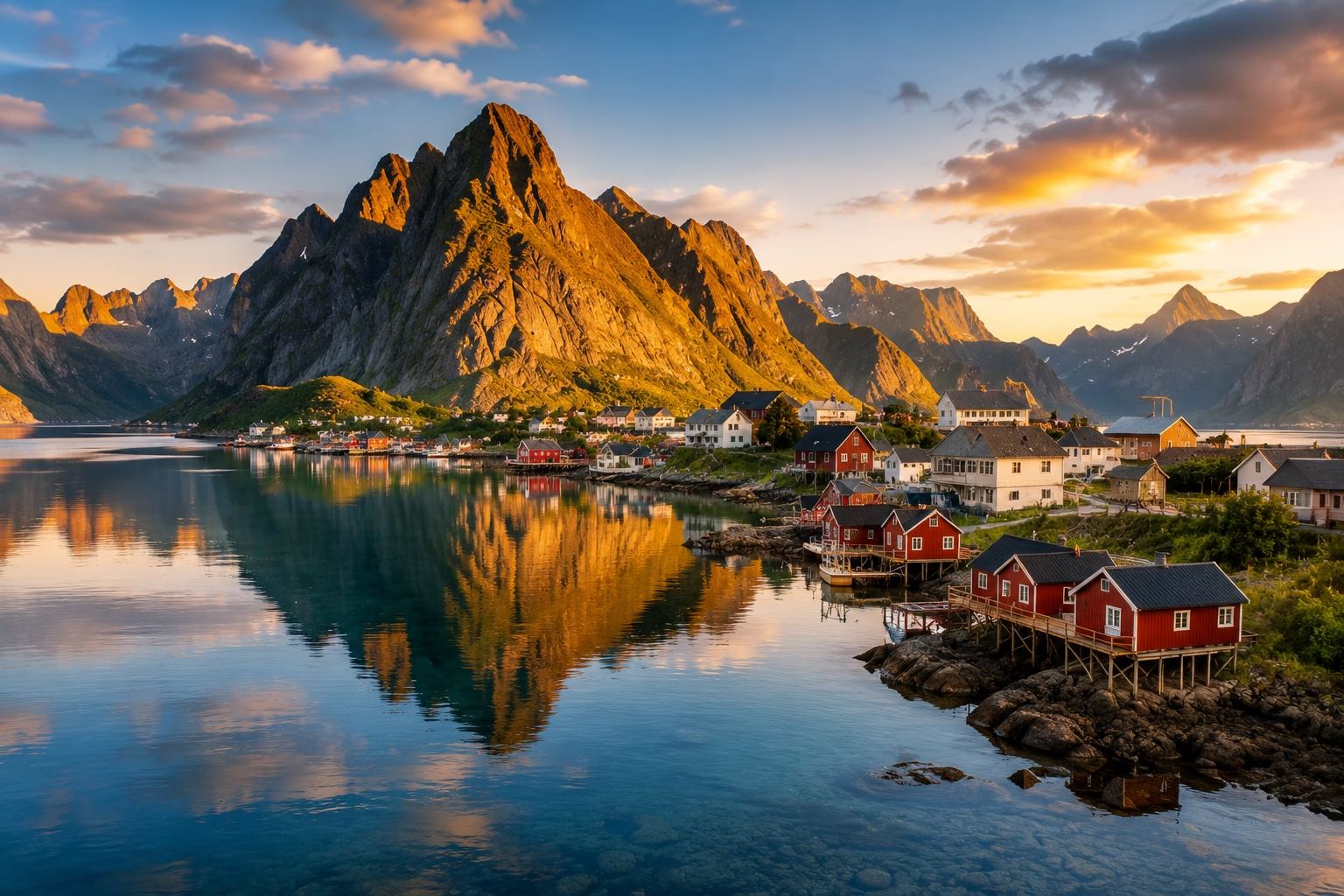
Lofoten Island is one of those places that almost doesn’t look real. Picture dramatic mountain peaks rising straight from crystal-clear fjords, colorful fishing villages tucked beneath towering cliffs, white-sand beaches that rival tropical destinations, and golden Arctic light that seems to last forever during summer. It’s the kind of destination that stays with you long after you’ve returned home.
What makes Lofoten so special isn’t just its breathtaking scenery—it’s the incredible variety of experiences packed into one small archipelago. One day you can hike to panoramic viewpoints, the next you might cruise through narrow fjords searching for sea eagles, explore centuries-old fishing villages, or watch the Northern Lights dance across the sky in winter.
The first time I started planning a trip to Lofoten, I was surprised by just how much there was to see beyond the famous viewpoints. Every island seemed to reveal another hidden beach, another scenic drive, or another unforgettable outdoor adventure. It’s one of those rare destinations where simply driving from one village to the next becomes part of the experience.
In this guide, I’ll share the best things to do in Lofoten Island, along with practical travel tips to help you plan an unforgettable Arctic adventure, whether you’re visiting during the Midnight Sun, chasing the Northern Lights, or simply exploring one of Norway’s most spectacular landscapes.
Quick Answer
The best things to do in Lofoten Island include cruising through Trollfjord, hiking Reinebringen, exploring picturesque fishing villages like Reine and Henningsvær, relaxing on Arctic white-sand beaches, visiting the Lofotr Viking Museum, kayaking through scenic fjords, surfing at Unstad Beach, and experiencing either the Midnight Sun in summer or the Northern Lights in winter. Renting a car is the best way to explore the islands at your own pace.
Lofoten at a Glance
| Best For | Nature lovers, photographers & adventure travelers |
|---|---|
| Ideal Trip Length | 4–7 days |
| Best Time to Visit | June–September or February–March |
| Top Experience | Hiking Reinebringen |
| Need a Car? | Yes, highly recommended |
1. Cruise Into Trollfjord and Witness Sea Eagles
If there’s one experience that captures the wild beauty of Lofoten, it’s cruising through Trollfjord. As your boat glides into this narrow fjord, towering cliffs rise dramatically from the water on both sides, creating a landscape that feels almost untouched by time. It’s the kind of place where every turn reveals another breathtaking view.
One thing I love about Trollfjord is how peaceful it feels. The calm water reflects the surrounding mountains, waterfalls tumble down steep rock faces, and the silence is occasionally broken by the cry of a soaring sea eagle overhead.
Watch Sea Eagles in Their Natural Habitat
One of the highlights of the cruise is spotting white-tailed sea eagles, Europe’s largest birds of prey.
Many guided tours pause in areas where these magnificent birds are often seen gliding effortlessly above the fjord. Seeing one swoop low over the water is an unforgettable moment and easily one of the most memorable wildlife experiences in northern Norway.
If you’re lucky, you may also spot seals resting on the rocks or porpoises swimming nearby.
Choose the Right Tour
Several tour options are available depending on the type of experience you’re looking for.
- Large sightseeing boats offer a relaxed and comfortable journey.
- Rigid inflatable boats (RIBs) provide a faster, more adventurous ride.
- Guided kayaking tours offer a peaceful way to experience the fjord up close, weather permitting.
No matter which option you choose, the scenery is spectacular.
My Tip
Book a morning or evening cruise if possible. The softer Arctic light makes the mountains even more dramatic, and tours are often a little quieter than those in the middle of the day.
2. Hike Reinebringen for the Most Iconic Lofoten View
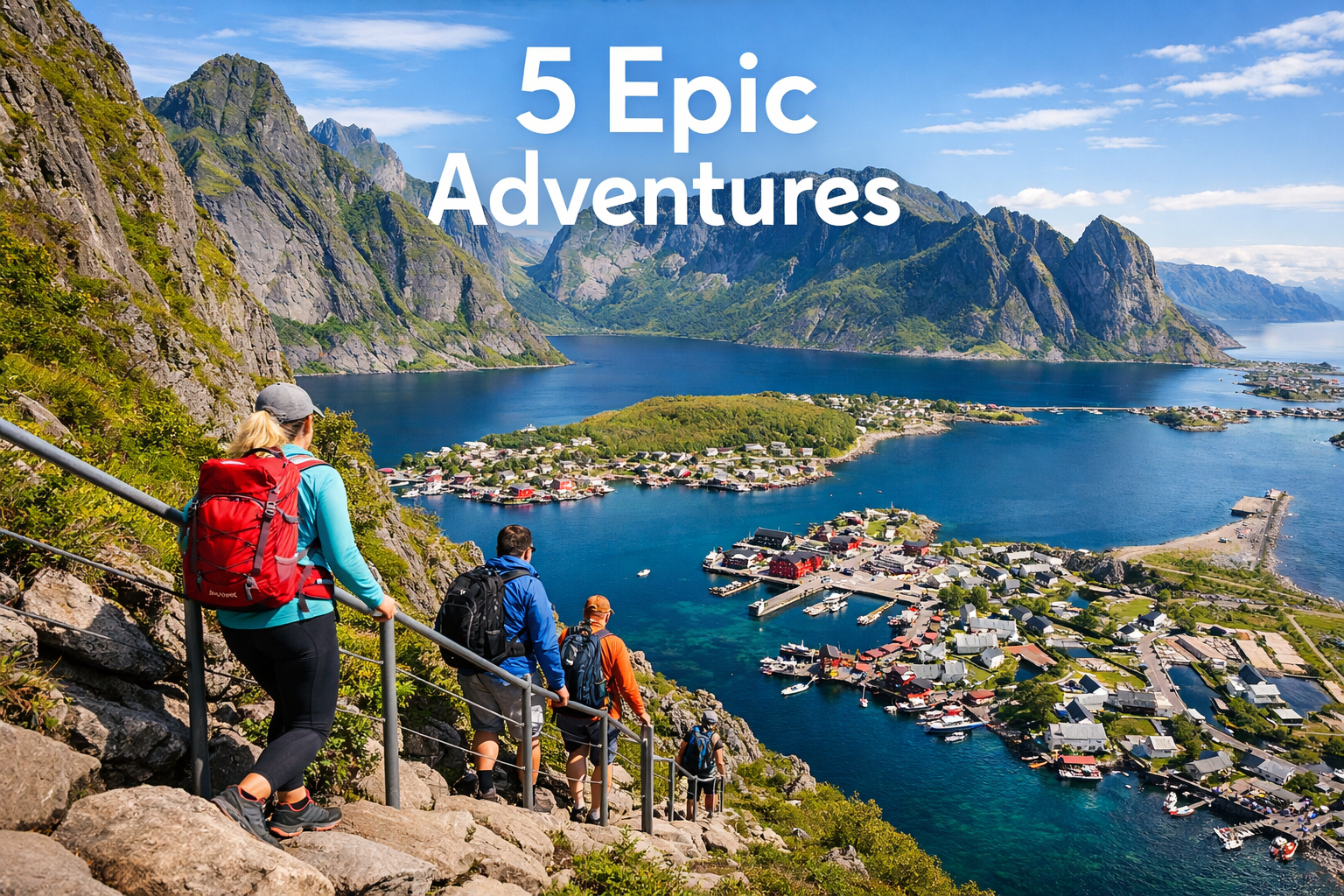
Hike Reinebringen for Lofoten’s Most Famous View
When people imagine Lofoten, chances are they’re picturing the view from Reinebringen. From the summit, you’ll look out over turquoise fjords, tiny islands connected by bridges, colorful fishing villages, and rugged mountain peaks stretching toward the horizon. It’s one of the most photographed landscapes in all of Norway—and for good reason.
The climb is challenging, but every step brings you closer to a view that feels almost unreal. Thanks to the beautifully built stone staircase, the trail is much more accessible than it once was, though you’ll still want a reasonable level of fitness and sturdy footwear.
What to Expect
The hike takes most visitors between 2½ and 4 hours round trip, depending on pace and photo stops.
Along the way, you’ll climb nearly 2,000 carefully constructed stone steps, each one revealing increasingly spectacular views.
Reaching the summit is incredibly rewarding, especially on a clear day when you can see the winding fjords stretching far into the distance.
Helpful Hiking Tips
A little preparation makes the experience much more enjoyable.
- Start early to avoid crowds.
- Wear sturdy hiking shoes with good grip.
- Bring layers, even during summer.
- Carry water and a few snacks.
- Check the weather before setting out.
Clouds can move in quickly, so flexibility is important.
My Tip
If you’re an early riser, begin your hike shortly after sunrise. The peaceful trails, soft morning light, and quieter summit make the experience feel even more special.
For those seeking outdoor adventures beyond the typical tourist spots, Lofoten offers dozens of alternative hikes including Ryten (overlooking Kvalvika Beach), Mannen (above Haukland Beach), and the famous Svolværgeita climbing route for experienced mountaineers.
3. Explore the Iconic Fishing Villages

One of the things that makes Lofoten so unforgettable isn’t just its dramatic mountains—it’s the colorful fishing villages scattered along the coastline. Tiny red and yellow cabins sit beside peaceful harbors, fishing boats gently bob in the water, and towering peaks create one of the most spectacular backdrops you’ll ever see.
Every village has its own personality, and taking time to wander through them is one of the best ways to experience everyday life in the Arctic.
Visit Reine
If you’re only visiting one village, make it Reine.
Often described as one of Norway’s most beautiful villages, Reine is famous for its traditional red rorbuer (fishermen’s cabins), crystal-clear harbor, and dramatic mountain scenery.
Take your time exploring the waterfront, stopping for coffee at a local café, and simply enjoying the incredible views.
Discover Henningsvær
Henningsvær offers a completely different atmosphere.
Known as Lofoten’s artistic hub, it’s filled with:
- Independent art galleries
- Cozy cafés
- Boutique shops
- Excellent seafood restaurants
Don’t miss the famous football field built on its own tiny island—it’s one of the most photographed sports grounds in the world.
Step Back in Time at Nusfjord
For a glimpse into Lofoten’s fishing heritage, spend a few hours exploring Nusfjord.
This beautifully preserved village feels like an open-air museum, with historic wooden buildings, traditional fishermen’s cabins, and peaceful waterfront paths that invite you to slow down and explore.
Visit the End of the Road at Å
At the very end of the scenic E10 highway lies the tiny village of Å.
Despite its unusual one-letter name, it’s packed with charm.
Browse the Norwegian Fishing Village Museum, stroll along the harbor, and don’t leave without stopping at the local bakery for freshly baked cinnamon rolls or pastries.
My Tip
Don’t rush from village to village just to collect photos. Slow down, wander the quiet streets, browse the local shops, and enjoy lunch overlooking the harbor. Those slower moments often become the most memorable part of visiting Lofoten.
4. Relax on Lofoten’s Stunning Arctic Beaches
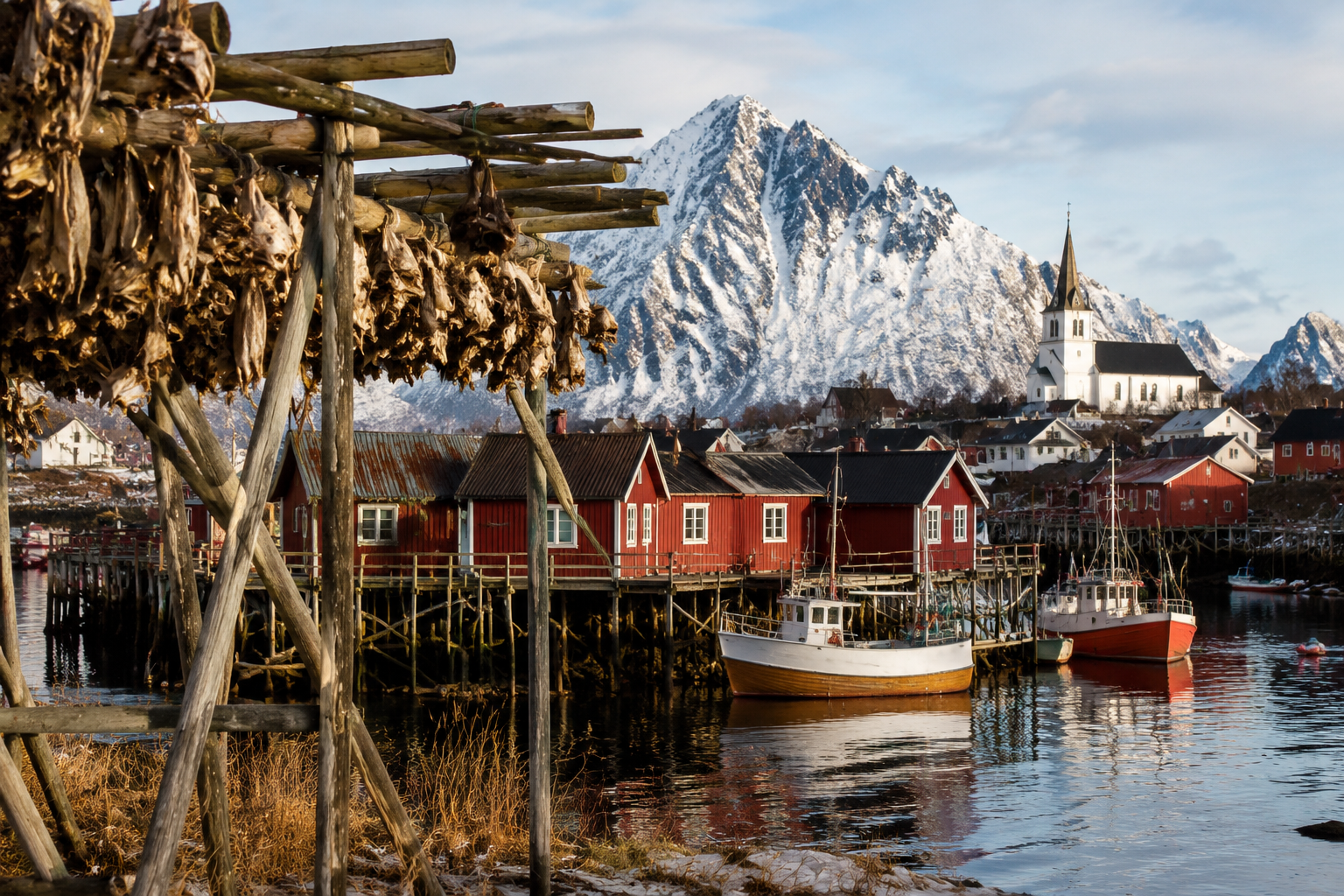
When most people imagine the Arctic, they picture snow and ice—not soft white sand and crystal-clear turquoise water. That’s exactly what makes Lofoten’s beaches so unforgettable.
Although the water stays refreshingly cold throughout the year, the scenery easily rivals some of the world’s most famous tropical coastlines. Surrounded by towering mountains and untouched landscapes, these beaches are perfect for relaxing, hiking, photography, or simply soaking in the incredible views.
Haukland Beach
Haukland Beach is often the first stop for visitors, and it’s easy to see why.
Its bright white sand, turquoise water, and dramatic mountain backdrop create one of Lofoten’s most iconic landscapes.
Even if you’re not planning to swim, it’s the perfect place for a leisurely walk or picnic.
Uttakleiv Beach
Connected to Haukland by a scenic coastal trail, Uttakleiv offers a quieter atmosphere and beautiful rocky shoreline.
Photographers especially love visiting during sunset, when the golden Arctic light reflects beautifully across the water.
Kvalvika Beach
If you’re looking for something more adventurous, hike to Kvalvika Beach.
Reaching this remote bay requires a moderate walk, but the reward is one of Lofoten’s most breathtaking wilderness beaches, surrounded by steep mountain cliffs and untouched nature.
Unstad Beach
Unstad is famous for something many people never expect to find in the Arctic—surfing.
Even if you don’t plan to catch a wave yourself, it’s fascinating to watch experienced surfers riding the North Atlantic swells against a backdrop of dramatic peaks.
My Tip
Pack a light picnic and spend more time than you think you’ll need. One of the best things about Lofoten’s beaches is simply sitting quietly and taking in the scenery.
5. Step Back in Time at Lofotr Viking Museum
If you’ve ever wondered what life was really like during the Viking Age, the Lofotr Viking Museum offers one of the most immersive historical experiences in Norway. Rather than simply displaying artifacts behind glass, this fascinating museum lets you step inside a reconstructed Viking world where history feels alive.
Walking through the enormous chieftain’s longhouse, surrounded by wooden beams, roaring fires, and traditional furnishings, it’s surprisingly easy to imagine what daily life might have looked like more than a thousand years ago.
Experience Viking Life
The museum offers far more than traditional exhibits.
Depending on when you visit, you may be able to:
- Watch blacksmith demonstrations
- Try Viking games
- See traditional crafts
- Explore a full-size Viking ship
- Meet costumed interpreters
These interactive experiences make the museum enjoyable for both adults and children.
A Perfect Rainy-Day Activity
Lofoten’s weather can change quickly, and rainy days are part of the experience.
Fortunately, the Lofotr Viking Museum is one of the best indoor attractions on the islands, making it an excellent backup plan if hiking conditions aren’t ideal.
My Tip
Give yourself at least two hours here. It’s much more than a quick museum visit, and taking your time allows you to appreciate all the interactive exhibits and demonstrations.
6. Experience the Midnight Sun or Chase the Northern Lights

Few places in the world offer two natural phenomena as extraordinary as Lofoten. Depending on when you visit, you can either watch the sun refuse to set during summer or witness the magical Northern Lights dancing across the Arctic sky during winter.
Whichever season you choose, the experience is something you’ll never forget.
Summer: The Midnight Sun
From late May through mid-July, daylight lasts almost around the clock.
The endless daylight creates opportunities you simply won’t find anywhere else.
Imagine:
- Hiking at 11 PM.
- Enjoying dinner outdoors at midnight.
- Photographing golden mountains long after most places are dark.
- Taking peaceful evening walks with the sun still shining.
Time almost seems to disappear.
Winter: Northern Lights
From autumn through early spring, Lofoten becomes one of Europe’s most spectacular places to see the Aurora Borealis.
On clear nights, ribbons of green, purple, and pink light ripple across the sky above snowy mountains and quiet fishing villages.
Watching the Northern Lights reflected in a still Arctic fjord is one of those travel moments that stays with you forever.
Which Season Should You Choose?
Visit in summer if you love:
- Hiking
- Road trips
- Beaches
- Midnight Sun
- Outdoor adventures
Visit in winter if you dream of:
- Northern Lights
- Snow-covered landscapes
- Cozy cabins
- Arctic photography
- Winter adventures
Honestly…
There isn’t a bad time to visit.
Each season feels like a completely different destination.
My Tip
If seeing the Northern Lights is your main goal, plan to stay several nights. The aurora depends on both weather and solar activity, so giving yourself extra time greatly improves your chances.
Both phenomena make Lofoten a year-round destination rather than just a summer spot. If you’re planning your visit, check out fun things to do before summer starts to prepare for your Arctic adventure.
7. Experience Lofoten from the Water: Kayaking and Fishing

7. Experience Lofoten from the Water
While Lofoten’s mountain views are breathtaking from the road, seeing the islands from the water offers an entirely different perspective. Quiet fjords, hidden coves, dramatic cliffs, and tiny fishing villages feel even more spectacular when you’re gliding across the sea.
Whether you choose a peaceful kayak trip or an exciting wildlife safari, exploring Lofoten by water is one of those experiences you’ll remember long after your trip ends.
Paddle Through Peaceful Fjords
Sea kayaking is one of the most relaxing ways to explore Lofoten.
As you paddle through calm Arctic waters, you’ll discover secluded beaches, quiet inlets, and dramatic mountain reflections that simply aren’t visible from the road.
It’s surprisingly peaceful, and even beginners can join guided tours during the summer months.
Try Traditional Arctic Fishing
Fishing has shaped life in Lofoten for centuries.
Joining a local fishing excursion gives you the chance to experience this tradition while learning about the region’s famous cod industry.
Some tours even prepare your freshly caught fish, making the experience even more memorable.
Look for Arctic Wildlife
Keep your eyes on the water.
Depending on the season, you might spot:
- White-tailed sea eagles
- Seals
- Porpoises
- Orcas
- Humpback whales
Seeing wildlife in such an untouched setting is something you won’t soon forget.
My Tip
Choose an early morning tour if possible. The calmer water and quieter conditions often create beautiful reflections and excellent wildlife viewing opportunities.
8. Hike to Remote Wilderness Beaches
Some of Lofoten’s most spectacular beaches can’t be reached by car—and that’s exactly what makes them so special.
A short hike rewards you with untouched stretches of white sand surrounded by towering cliffs, where the only sounds are crashing waves and seabirds overhead.
These hidden beaches offer a completely different side of the islands.
Kvalvika Beach
One of Lofoten’s most famous hiking destinations, Kvalvika combines an enjoyable walk with an unforgettable reward.
After crossing rolling hills and rocky trails, you’ll arrive at an isolated beach where turquoise water meets soft white sand beneath dramatic mountain peaks.
It’s easy to see why this has become one of Lofoten’s most photographed locations.
Horseid Beach
If you’re looking for a quieter adventure, Horseid Beach is worth the extra effort.
The longer hike keeps visitor numbers low, creating a peaceful atmosphere that’s perfect for photographers, nature lovers, and anyone hoping to experience Lofoten away from the busiest tourist spots.
My Tip
Bring a small picnic and allow plenty of extra time.
These beaches aren’t places you’ll want to rush through—they’re places you’ll want to simply sit, relax, and enjoy.
These hikes combine the best of Lofoten’s hiking and beach experiences, and they’re perfect additions to your summer outdoor activity list. Always check weather forecasts and trail conditions before attempting these more remote adventures.
9. Discover Lofoten’s Art, Culture, and Local Traditions
Beyond its spectacular landscapes, Lofoten has a thriving creative community inspired by the Arctic environment.
Small galleries, glass studios, museums, and artisan workshops offer a wonderful opportunity to experience another side of island life while supporting local artists.
Visit Local Galleries
Henningsvær is the heart of Lofoten’s art scene.
Spend an afternoon browsing independent galleries showcasing paintings, photography, ceramics, and sculptures inspired by the surrounding landscapes.
Even if you don’t plan to buy anything, it’s fascinating to see how different artists capture the beauty of the islands.
Watch Glass Artists at Work
Glasshytta Vikten is one of the region’s most unique attractions.
Watching molten glass transformed into beautiful handcrafted pieces is both relaxing and inspiring.
Each finished piece also makes a meaningful souvenir from your trip.
Learn About Local History
Museums like the Lofoten Museum and Lofoten Aquarium help visitors better understand the islands’ fishing heritage and marine life.
They’re excellent options for slower travel days or when the weather isn’t ideal for hiking.
My Tip
Don’t fill every day with outdoor adventures.
Leaving time for galleries, cafés, and museums creates a much more balanced and memorable trip.
10. Surf Arctic Waves at Unstad Beach
Surfing in the Arctic might sound impossible, but Unstad Beach has become one of the world’s most famous cold-water surf destinations.
Watching surfers ride powerful North Atlantic waves beneath towering mountains is a sight you won’t soon forget.
Even if you’ve never surfed before, simply spending time at Unstad is an experience in itself.
Learn to Surf
Several local surf schools offer beginner-friendly lessons and equipment rental during the warmer months.
With experienced instructors and quality wetsuits, first-time surfers can safely experience one of Lofoten’s most unique adventures.
Enjoy the Atmosphere
You don’t have to surf to appreciate Unstad.
Relax on the beach, enjoy a coffee from the local café, watch experienced surfers, and soak up the laid-back atmosphere.
It’s unlike anywhere else in Norway.
My Tip
Visit around sunset if the forecast looks promising.
The combination of golden light, dramatic waves, and rugged mountains creates some of the most beautiful photography opportunities anywhere in Lofoten.
Planning Your Lofoten Adventure

A little planning goes a long way when visiting Lofoten. The islands are spread across several connected bridges and tunnels, weather conditions can change quickly, and many of the best attractions are located away from major towns. Planning your route, transportation, and accommodation in advance will help you make the most of your time.
Best Time to Visit
Lofoten is beautiful year-round, but every season offers a different experience.
Summer (June–August)
Perfect for:
- Midnight Sun
- Hiking
- Kayaking
- Road trips
- Beaches
- Photography
Expect long daylight hours and the busiest tourist season.
Autumn (September–October)
Ideal for:
- Fall colors
- Fewer crowds
- Scenic drives
- Photography
Temperatures are cooler, but the landscapes become especially colorful.
Winter (November–March)
Best for:
- Northern Lights
- Snow-covered mountains
- Winter photography
- Cozy cabins
Road conditions can be challenging, so allow extra travel time.
Spring (April–May)
A wonderful shoulder season with:
- Melting snow
- Quiet hiking trails
- Returning wildlife
- Longer daylight hours
How Many Days Do You Need?
To experience Lofoten without feeling rushed:
- 3 days – See the highlights.
- 5 days – Ideal for most visitors.
- 7 days or more – Perfect for hikers, photographers, and slow travelers.
If your schedule allows, five days offer an excellent balance between sightseeing and relaxation.
Do You Need a Car?
Yes—renting a car is the easiest and most flexible way to explore Lofoten.
Public transportation is available between some towns, but many of the most scenic beaches, hiking trails, and viewpoints are much easier to reach by car.
Driving also allows you to stop whenever you spot an incredible view—which happens often in Lofoten.
Where Should You Stay?
For a memorable experience, consider staying in a traditional rorbu (fisherman’s cabin).
Popular places to base yourself include:
- Reine – Best for iconic scenery.
- Henningsvær – Great for restaurants and art galleries.
- Svolvær – Convenient for first-time visitors.
- Leknes – Excellent central location for exploring.
What Should You Pack?

Lofoten’s weather can change quickly, even during summer.
Bring:
- Waterproof jacket
- Warm layers
- Hiking boots
- Camera
- Daypack
- Reusable water bottle
- Hat and gloves (outside peak summer)
Dressing in layers is the easiest way to stay comfortable throughout the day.
Suggested 5-Day Lofoten Itinerary
If you have five days to explore Lofoten, this itinerary lets you experience many of the islands’ highlights while still leaving time to slow down and enjoy the scenery.
| Day | Suggested Activities |
|---|---|
| Day 1 | Arrive in Svolvær, explore the town, and take an evening Trollfjord cruise. |
| Day 2 | Visit Henningsvær, Lofotr Viking Museum, and Haukland Beach. |
| Day 3 | Hike Reinebringen, explore Reine, and enjoy sunset at Uttakleiv Beach. |
| Day 4 | Visit Nusfjord and Å, then relax at Kvalvika Beach or go kayaking. |
| Day 5 | Surf or watch surfers at Unstad Beach, enjoy scenic stops along the E10, and depart. |
⭐ My Tip
Avoid trying to see everything.
Some of the best moments in Lofoten happen when you stop at an unnamed viewpoint, enjoy a quiet picnic by a fjord, or take an unplanned walk through a small fishing village.
Frequently Asked Questions
Is Lofoten Worth Visiting?
Absolutely. Lofoten is one of Norway’s most spectacular destinations, offering dramatic mountain scenery, picturesque fishing villages, white-sand Arctic beaches, incredible hiking trails, and unique experiences like the Midnight Sun and Northern Lights. Whether you’re an outdoor adventurer, photographer, or slow traveler, there’s something unforgettable waiting around every corner.
Is It Easy to Drive Around Lofoten?
Yes. The islands are connected by the scenic E10 highway, making it easy to drive between towns and attractions.
The roads are well maintained, but they can be narrow in places, so allow extra time and drive carefully—especially during winter.
When Is the Best Time to See the Northern Lights?
The best chances are typically between September and March, when nights are dark enough to see the aurora.
Clear skies and low light pollution greatly improve your chances.
Is Lofoten Expensive?
Like much of Norway, Lofoten can be expensive, especially during summer.
Booking accommodation and rental cars early, preparing some of your own meals, and traveling during the shoulder seasons can help reduce costs while still providing an incredible experience.
Conclusion
Lofoten is one of those rare destinations that manages to exceed even the highest expectations. From cruising through dramatic fjords and hiking to breathtaking viewpoints to wandering colorful fishing villages and relaxing on surprisingly beautiful Arctic beaches, every day brings a new adventure and another unforgettable view.
What makes these islands truly special isn’t just their dramatic landscapes—it’s the feeling of slowing down and appreciating the simple moments. Watching fishing boats glide across a quiet harbor, enjoying coffee beneath towering mountains, hiking beneath the Midnight Sun, or standing beneath the dancing Northern Lights are experiences that stay with you long after you’ve returned home.
Whether you’re planning an active road trip filled with hikes and outdoor adventures or simply hoping to soak up the peaceful beauty of Norway’s northern coast, Lofoten offers an unforgettable blend of nature, culture, and authentic Arctic charm.
Take your time, leave room for unexpected discoveries, and don’t be surprised if Lofoten becomes one of your favorite places you’ve ever visited.
Your Arctic adventure is waiting.
References
[1] Lofoten Best Things To Do – https://fullsuitcase.com/lofoten-best-things-to-do/