
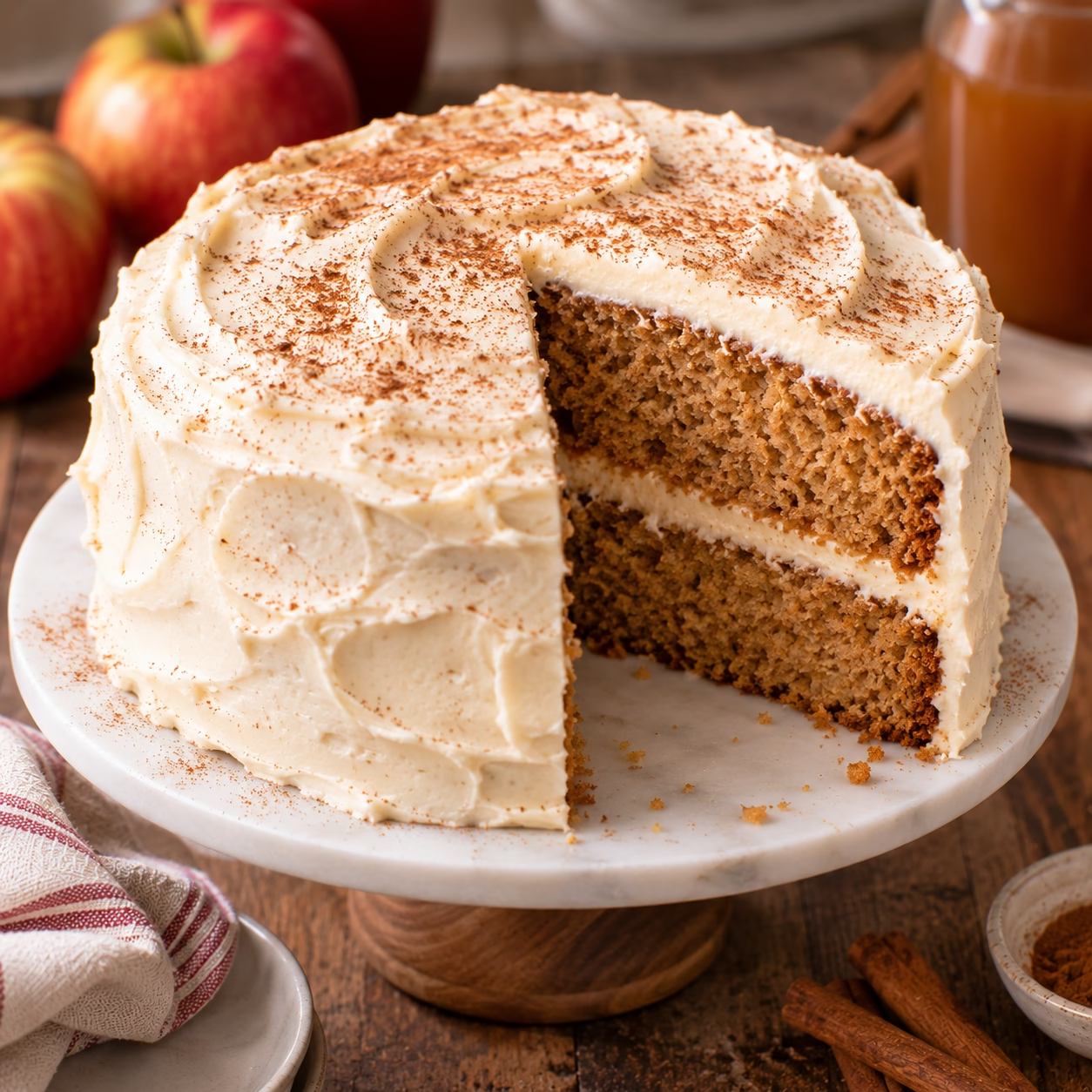
Apple cider cake is a soft, warmly spiced cake made with concentrated apple cider, brown sugar, cinnamon, nutmeg, and cloves. Reducing the cider before adding it to the batter concentrates its apple flavor without adding all of the liquid from the original cider.
Unlike a traditional apple cake, this version doesn’t rely on chunks of fresh apples for its main flavor. Instead, the cider gives the cake a smooth, evenly spiced apple flavor and a tender crumb.
It’s especially good for fall gatherings, Thanksgiving, weekend baking, or whenever you have fresh apple cider on hand.
Quick Answer
To make apple cider cake, reduce apple cider until concentrated, then cool it completely. Cream softened butter with brown sugar, add the eggs and vanilla, and alternate the dry ingredients with the reduced cider. Divide the batter between two parchment-lined 8-inch cake pans and bake at 350°F until the centers are set and a toothpick comes out with a few moist crumbs.
The cake can be served plain, dusted with powdered sugar, or finished with cream cheese frosting, maple buttercream, or a simple apple cider glaze.
❤️ Why You’ll Love This Recipe
- Reduced apple cider gives the cake a concentrated apple flavor without pieces of fruit throughout.
- Cinnamon, nutmeg, and cloves give it a cozy fall spice profile.
- The soft, tender crumb works especially well with cream cheese frosting.
- The cake can be prepared ahead, and the cider reduction can be made in advance.
- It works beautifully as either a simple snack cake or a frosted layer cake.
Ingredients You’ll Need

For the Apple Cider Reduction
- 2 cups (473 ml) apple cider
For the Cake
- 2½ cups (313 g) all-purpose flour
- 2 teaspoons (10 g) baking powder
- 1 teaspoon (5 g) baking soda
- 1½ teaspoons ground cinnamon
- ½ teaspoon ground nutmeg
- ¼ teaspoon ground cloves
- ½ teaspoon salt
- ½ cup (113 g) unsalted butter, softened
- 1 cup (200 g) packed brown sugar
- 3 large eggs, room temperature
- 1 teaspoon vanilla extract
- 1 cup (237 ml) cooled reduced apple cider
Optional Frosting
Cream cheese frosting is the classic pairing, but you can also use maple buttercream or an apple cider glaze.
For a simple cider glaze, whisk together:
- 1 cup (120 g) powdered sugar
- 2–3 tablespoons reduced apple cider
Comparable apple cider cakes also pair concentrated cider with cream cheese frosting or a simple glaze.
Equipment You’ll Need
- Small or medium saucepan
- Two 8-inch round cake pans
- Parchment paper
- Mixing bowls
- Electric hand mixer or stand mixer
- Whisk
- Rubber spatula
- Cooling rack
- Toothpick or cake tester
How to Make Apple Cider Cake
Step 1: Reduce the Apple Cider
Pour the apple cider into a saucepan.
Bring it to a steady simmer over medium heat and cook uncovered until it reduces to about 1 cup.
This may take around 20–30 minutes, but don’t rely on the timer alone. The actual reduction time depends on the width of your saucepan and how strongly the cider is simmering.
The reduced cider should look darker and more concentrated than the original liquid.
Remove it from the heat and let it cool completely to room temperature.
Don’t add hot cider to the cake batter. Warm liquid can soften the butter and interfere with the texture of the batter.
Comparable recipes confirm that cider reduction is a key part of the process, although reduction times vary significantly between kitchens.
Step 2: Prepare the Cake Pans
Preheat the oven to 350°F (175°C).
Grease two 8-inch round cake pans.
Line the bottoms with parchment paper, then lightly grease the parchment.
This makes the tender cake layers much easier to remove after baking.
Step 3: Mix the Dry Ingredients
In a medium bowl, whisk together the flour, baking powder, baking soda, cinnamon, nutmeg, cloves, and salt.
Set the mixture aside.

Step 4: Cream the Butter and Sugar
Place the softened butter and brown sugar in a large mixing bowl.
Beat with an electric mixer for about 2–3 minutes, until the mixture looks lighter and somewhat fluffy.
Scrape down the sides of the bowl as needed.
Step 5: Add the Eggs and Vanilla
Add the eggs one at a time, mixing after each addition.
Add the vanilla and mix until incorporated.
Room-temperature eggs blend more easily into the creamed butter mixture.
Step 6: Alternate the Dry Ingredients and Cider
Add about one-third of the dry ingredients to the butter mixture and mix on low speed just until mostly incorporated.
Add about half of the cooled reduced cider.
Repeat with another portion of the dry ingredients, followed by the remaining cider.
Finish with the final portion of the dry ingredients.
Mix only until the batter comes together.
Don’t overmix once the flour is added. Too much mixing can develop excess gluten and make the cake less tender.

Step 7: Divide and Bake
Divide the batter evenly between the two prepared cake pans.
Smooth the tops with a spatula.
Bake at 350°F (175°C) for about 30–35 minutes, checking toward the lower end of the range.
The cakes are ready when a toothpick inserted into the center comes out clean or with a few moist crumbs.
The edges may also begin pulling slightly away from the sides of the pans.
Comparable apple cake and cider cake recipes commonly bake around 30–40 minutes at 350°F, depending on pan size and batter depth.
Step 8: Cool Completely
Let the cakes cool in their pans for about 10 minutes.
Run a thin knife around the edges if necessary, then carefully turn the cakes out onto a wire rack.
Remove the parchment and allow the layers to cool completely before frosting.
If the layers are even slightly warm, the frosting can soften or slide.

Step 9: Frost the Cake (Optional)
If you’re using cream cheese frosting, make sure the cake layers are completely cool before assembling.
Beat 8 oz (226 g) softened cream cheese and ½ cup (113 g) softened unsalted butter in a mixing bowl until smooth and creamy.
Gradually add 3 cups (360 g) powdered sugar, mixing on low speed at first to prevent the sugar from flying out of the bowl. Add 1 teaspoon vanilla extract and continue mixing until the frosting is smooth and spreadable.
Place one cooled cake layer on a serving plate or cake stand.
Spread an even layer of frosting over the top.
Place the second cake layer on top, then frost the top and sides of the cake. The frosting doesn’t need to be perfectly smooth—a rustic finish works beautifully with this spiced apple cider cake.
For a simple finishing touch, lightly dust the top with cinnamon.

If you prefer not to use cream cheese frosting, you can leave the cake plain, use the maple buttercream option, or drizzle it with the apple cider glaze instead.
Tips for the Best Apple Cider Cake
- Reduce the cider by volume, not strictly by time. Your stove and saucepan can change the reduction time considerably.
- Cool the cider completely before adding it to the batter.
- Use room-temperature eggs and butter for a smoother batter.
- Weigh the flour if possible. Too much flour can quickly make this cake dry.
- Don’t overmix. Stop as soon as the dry ingredients disappear.
- Use parchment in the pans. The cake is tender and easier to release this way.
- Check early. Begin checking the cakes around 30 minutes rather than automatically baking for the full 35.
- Cool completely before frosting.
- For the strongest cider flavor, use actual apple cider rather than replacing it with plain water or milk.
Storage & Make-Ahead
Room Temperature
Unfrosted apple cider cake can be stored tightly covered at room temperature for about 2–3 days.
Keep it away from direct sunlight and heat.
Refrigerated
If you use cream cheese frosting, store the finished cake in the refrigerator.
Let it sit at room temperature before serving so the cake and frosting soften.
Freezing
The unfrosted cake layers can be wrapped tightly and frozen for up to 3 months for best quality.
Wrap each cooled layer in plastic wrap, followed by foil or a freezer-safe container.
Thaw overnight in the refrigerator, then allow the layers to come closer to room temperature before frosting.
Make-Ahead
The cider reduction can be prepared ahead and refrigerated in an airtight container.
Bring it back to room temperature before using it in the batter.
This is a particularly useful shortcut if you’re making several apple cider desserts. Comparable recipes also recommend making cider reduction ahead of time.
Variations
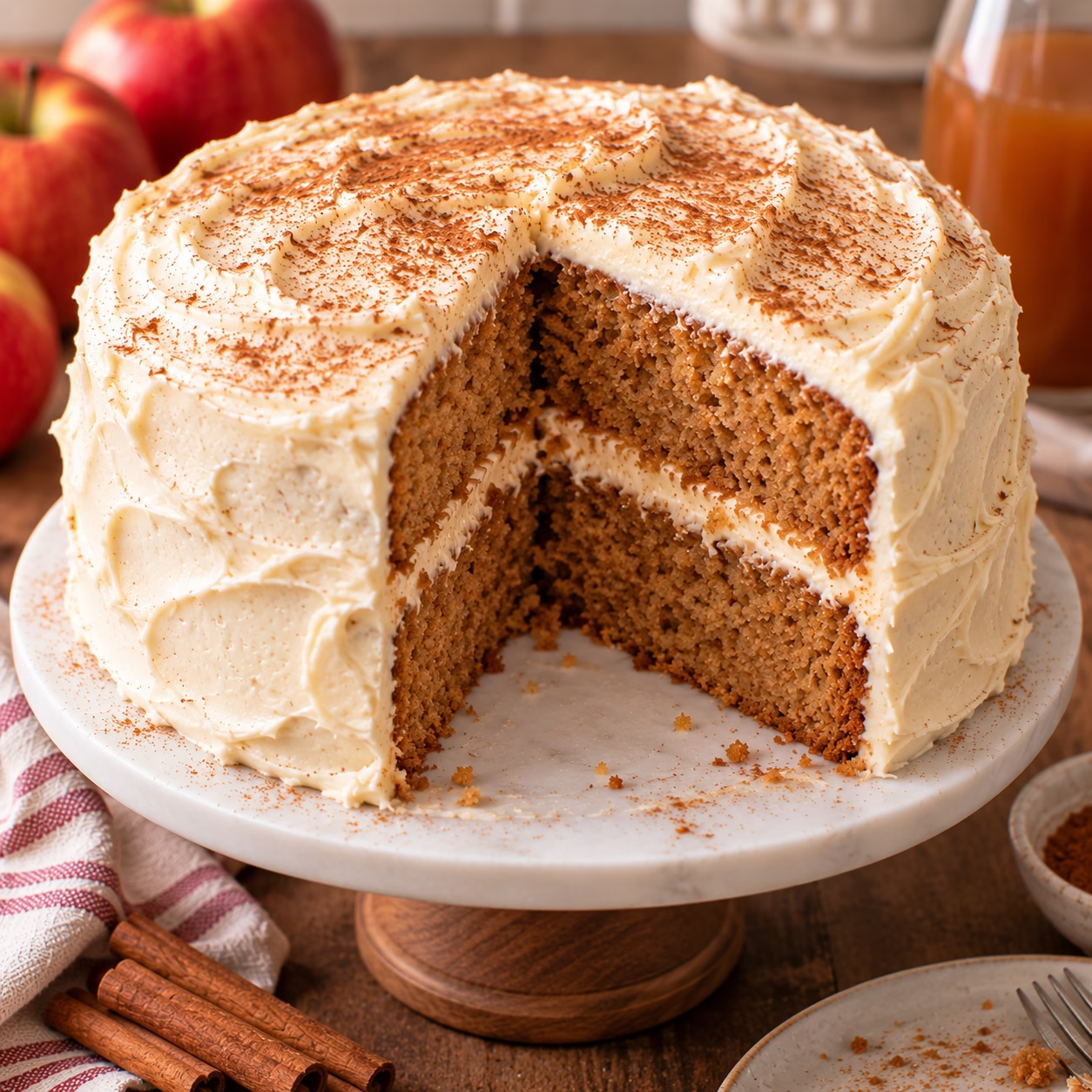
Cream Cheese Frosting
Top the completely cooled cake with your favorite cream cheese frosting for the classic pairing.
The tanginess of the frosting balances the sweet cider and warm spices.
Maple Buttercream
Replace the vanilla in your buttercream with pure maple syrup for a deeper fall flavor.
Apple Cider Glaze
Whisk powdered sugar with a few tablespoons of reduced apple cider and drizzle it over the cooled cake.
This is an easier option when you don’t want to make a full frosting.
Add Fresh Apples
For a more traditional apple-cake texture, fold about 1 cup of finely diced, peeled apples into the finished batter.
Keep in mind that the additional moisture will make the cake more rustic and may slightly change the baking time.
Pecan Apple Cider Cake
Fold in about ½ cup toasted, chopped pecans for crunch.
Bundt Cake
The batter can be adapted to a Bundt pan, but the baking time will be longer than for two shallow 8-inch layers. Begin checking once the cake is approaching the typical bake time for your pan.
Gluten-Free
Use a 1:1 gluten-free baking flour blend formulated for cakes.
The finished texture may be slightly different, so choose a blend that contains a binder such as xanthan gum if the product instructions call for it.
Egg-Free
An egg-free version is possible, but I would treat it as an adaptation rather than a guaranteed one-to-one swap. Applesauce or a commercial egg replacer can change the structure and moisture of a layer cake.
Common Mistakes to Avoid
Not Reducing the Cider Enough
If you stop while the cider is still very watery, you won’t get the same concentrated apple flavor and the added liquid can affect the batter.
Over-Reducing the Cider
Going too far can leave you with less cider than the recipe requires.
If your reduction falls below 1 cup, measure what you have rather than simply guessing.
Adding Hot Cider
Hot cider can interfere with the butter mixture.
Let the reduction cool completely before using it.
Using Too Much Flour
Packed measuring cups can add considerably more flour than intended.
For the most consistent results, weigh the flour.
Overmixing
Once the flour is added, mix only until incorporated.
A few small streaks can be finished with a spatula rather than continuing to beat the batter.
Frosting a Warm Cake
Warm cake will soften cream cheese frosting and can cause it to slide between the layers.
Cool the cake completely first.
Opening the Oven Too Early
Avoid repeatedly opening the oven during the first part of baking. Sudden temperature changes can interfere with the cake’s rise.
FAQ
What does apple cider cake taste like?
It tastes like a soft spice cake with concentrated apple flavor. Cinnamon, nutmeg, and cloves give it a warm, autumnal character, while brown sugar adds a deeper sweetness.
Can I use apple juice instead of apple cider?
Yes, but the flavor will be different.
Apple cider generally has a fuller, more concentrated apple character. If apple juice is your only option, reducing it can still give you a usable cake, but I wouldn’t claim that it will taste exactly the same as cider.
Can I use apple cider vinegar?
No. Apple cider vinegar is acidic and sharply flavored, while apple cider is a sweet apple beverage. They aren’t interchangeable.
How much should the cider reduce?
For this recipe, reduce the initial 2 cups to approximately 1 cup.
The volume is more important than an exact cooking time.
Why did my cake turn out dry?
The most likely causes are too much flour, overbaking, or insufficient liquid.
Start checking the cakes around 30 minutes and remove them when a toothpick comes out with a few moist crumbs rather than waiting for the crumb to become completely dry.
Can I make this cake in a 9×13 pan?
Yes, but the baking depth will change, so the bake time will not be identical to the two 8-inch layers.
Begin checking before assuming the original 30–35 minute timing applies.
Can I make apple cider cake in a Bundt pan?
Yes. Several apple cider cake recipes use Bundt pans successfully, but the deeper batter generally needs a longer bake than shallow cake layers.
What is the best frosting for apple cider cake?
Cream cheese frosting is one of the best pairings because its tanginess balances the sweet cider and brown sugar.
Maple buttercream and apple cider glaze are also excellent options.
Can I add chopped apples?
Yes. Adding about 1 cup of peeled, finely diced apples will give the cake a more traditional apple-cake texture.
Because fresh apples add moisture, the cake may need slightly different baking time.
Is apple cider cake gluten-free?
The standard recipe is not gluten-free because it contains all-purpose flour.
You can try a 1:1 gluten-free baking blend, although the finished crumb may be slightly different.
Can I make apple cider cake ahead of time?
Yes. The cake layers can be baked ahead, wrapped tightly, and stored before frosting.
The cider reduction can also be prepared ahead and refrigerated.
How should I store apple cider cake with cream cheese frosting?
Keep it refrigerated because cream cheese frosting is perishable.
Bring the cake toward room temperature before serving for a softer crumb and better frosting texture.
Can I freeze apple cider cake?
Yes. The unfrosted cake layers freeze particularly well when tightly wrapped. Thaw them before frosting.
More Cake Recipes You’ll Love
- 10 Easy Thanksgiving Fall Cupcake Ideas
- The Ultimate Cinnamon Apple Crisp
- Vegan Applesauce Cake
- Pineapple Heaven Cake
- Zucchini Cake With Cream Cheese Frosting
Conclusion
Apple cider cake is a wonderful fall dessert when you want concentrated apple flavor without filling the cake with chunks of fresh fruit. The reduced cider gives the crumb its signature flavor, while cinnamon, nutmeg, cloves, and brown sugar create that familiar cozy spice profile.
The most important details are simple: reduce the cider properly, let it cool, measure the flour carefully, avoid overmixing, and don’t overbake the layers.
Serve it plain for an easy afternoon cake, drizzle it with cider glaze, or add cream cheese frosting for a more celebratory dessert.
Apple Cider Cake
Ingredients
Apple Cider Reduction
- 2 cups 473 ml apple cider
Cake
- 2½ cups 313 g all-purpose flour
- 2 teaspoons 10 g baking powder
- 1 teaspoon 5 g baking soda
- 1½ teaspoons ground cinnamon
- ½ teaspoon ground nutmeg
- ¼ teaspoon ground cloves
- ½ teaspoon salt
- ½ cup 113 g unsalted butter, softened
- 1 cup 200 g packed brown sugar
- 3 large eggs room temperature
- 1 teaspoon vanilla extract
- 1 cup 237 ml cooled reduced apple cider
Instructions
- Add the apple cider to a saucepan and simmer uncovered until reduced to approximately 1 cup. Cool completely.
- Preheat oven to 350°F (175°C). Grease two 8-inch round cake pans and line the bottoms with parchment.
- Whisk together flour, baking powder, baking soda, cinnamon, nutmeg, cloves, and salt.
- Beat softened butter and brown sugar for 2–3 minutes until lighter and fluffy.
- Add eggs one at a time, beating after each addition. Mix in vanilla.
- Add the dry ingredients in three additions, alternating with the cooled reduced cider in two additions. Mix just until combined.
- Divide batter between the prepared pans.
- Bake for 30–35 minutes, checking for doneness with a toothpick.
- Cool in the pans for 10 minutes, then transfer to a wire rack.
- Cool completely before frosting or glazing.
Notes


