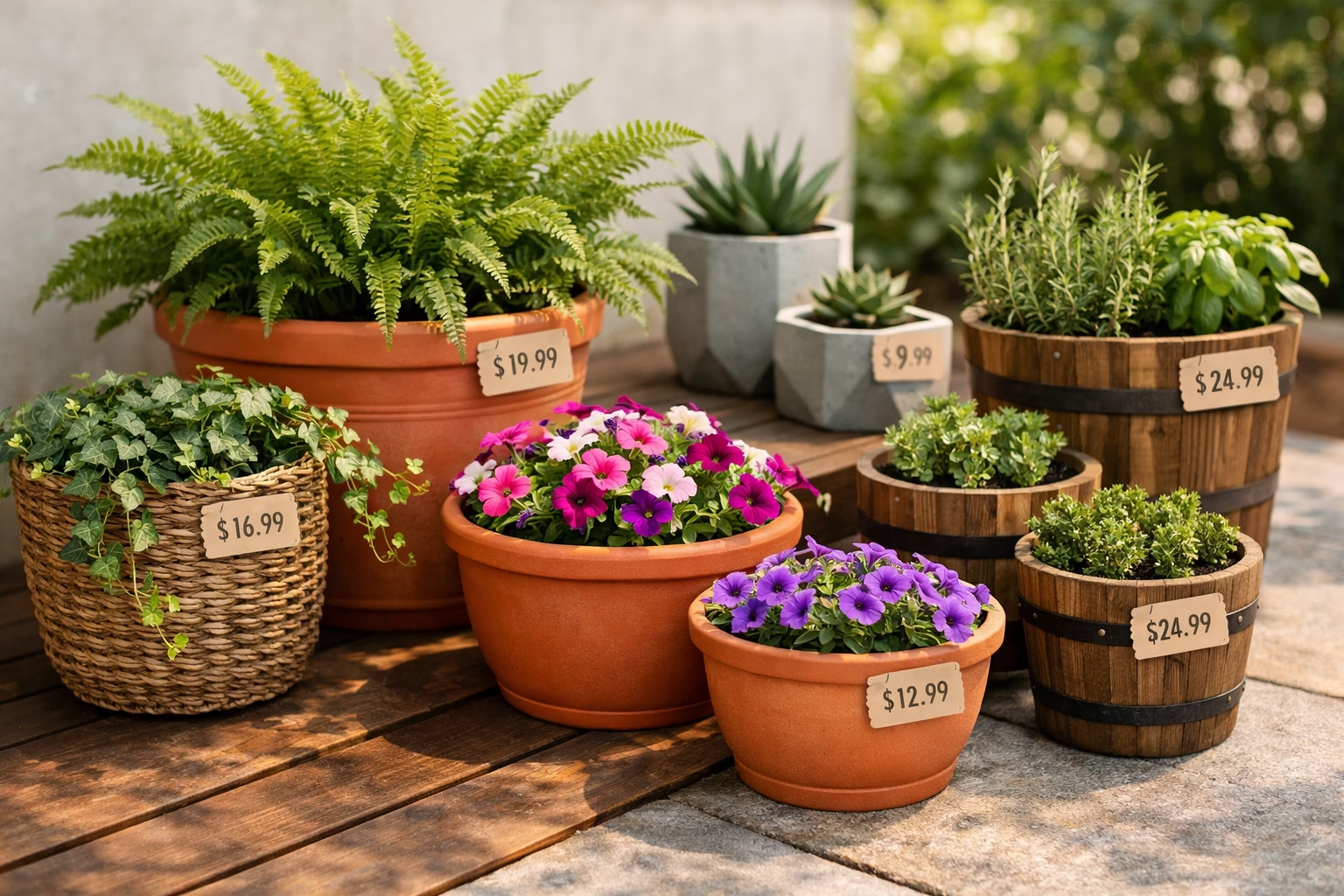
Budget-friendly outdoor planters from Amazon offer an affordable way to elevate your outdoor spaces, with quality options ranging from $15 to $50 that rival expensive garden center alternatives. Amazon’s selection includes weather-resistant resin planters, self-watering containers, and stylish ceramic-look designs that provide excellent value while maintaining durability through multiple seasons.
What Makes Amazon Planters Budget-Friendly Compared to Garden Centers?
Amazon’s budget-friendly outdoor planters cost 30-50% less than comparable options at traditional garden centers because they eliminate retail markup and connect you directly with manufacturers. Most quality outdoor planters on Amazon range from $15-$40, while similar styles at brick-and-mortar stores often start at $35-$75.
The platform’s competitive marketplace drives prices down as multiple sellers offer similar products. You’ll find resin planters that mimic expensive materials like stone, ceramic, or terracotta at a fraction of the cost. For example, a 16-inch resin planter that looks like glazed ceramic typically costs $18-$25 on Amazon versus $45-$60 at specialty garden shops.
Key cost advantages include:
- No retail overhead passed to consumers
- Direct-from-manufacturer pricing on many items
- Frequent sales and Lightning Deals (often 20-40% off)
- Prime membership benefits with free shipping
- Easy price comparison across multiple brands
- Bundle deals that reduce per-unit costs
Amazon’s customer review system also helps you identify which budget options actually perform well outdoors, saving you from costly mistakes that might happen with untested garden center purchases.
Which Materials Offer the Best Value for Outdoor Planters?
Resin and high-density plastic planters provide the best value for budget-conscious gardeners because they’re lightweight, weather-resistant, and often indistinguishable from expensive materials. These planters typically cost $15-$30 and last 3-5 years with proper care, compared to ceramic or concrete options that start at $50-$100.
Material comparison for budget shoppers:
Resin planters ($15-$35) – Excellent choice if you want the look of stone, concrete, or ceramic without the weight or price. They resist cracking in cold weather and won’t fade quickly if labeled UV-resistant. Choose these for front porch displays where aesthetics matter.
Plastic planters ($10-$25) – Best for vegetable gardens, herb containers, or areas where function trumps form. Modern plastic planters come in attractive colors and textures that don’t look cheap. They’re incredibly lightweight for easy rearranging.
Galvanized metal ($20-$40) – Offers a farmhouse or industrial aesthetic at reasonable prices. These develop attractive patina over time but may eventually rust. Perfect for creating a cohesive rustic look.
Fabric grow bags ($12-$30 for sets) – Exceptional value for edible gardens. They promote healthy root systems and fold flat for storage. Not the most decorative option, but unbeatable for growing vegetables and herbs.
Avoid these for budget purchases: Terracotta (cracks in freezing temperatures), natural wood (requires maintenance and deteriorates quickly), and unglazed ceramic (absorbs water and breaks down faster outdoors).
What Size Planters Should You Buy for Maximum Impact?
Medium-sized planters between 12-16 inches in diameter offer the best balance of visual impact and affordability, typically costing $18-$30 each while providing enough space for substantial plantings. Buying 3-5 planters in this size range creates more visual interest than investing in one or two large statement pieces.
Strategic sizing for budget decorating:
Start with 14-16-inch planters as your foundation ($20-$30 each). These accommodate most flowers, small shrubs, and herb collections while remaining manageable to move. Three of these planters create a more dynamic display than one 24-inch planter at the same total cost.
Add 10-12 inch accent planters ($15-$22) to fill gaps and create height variation. Use these on steps, railings, or grouped with larger planters for a layered look.
Consider one or two larger planters (18-20 inches, $35-$50) only if you have a specific focal point like a front entrance. Large planters require more soil (adding to your budget) and more plants to look full.
Skip tiny planters (under 8 inches) unless you’re creating a dedicated succulent display. They dry out quickly, require constant watering, and look sparse in outdoor settings. The few dollars you save aren’t worth the maintenance hassle.
For maximum budget efficiency, buy planters in sets. Amazon often offers 3-packs or 5-packs that reduce the per-unit cost by 15-25% compared to buying individually.
What Features Should You Prioritize in Budget Outdoor Planters?
Drainage holes are the single most important feature in outdoor planters because they prevent root rot and allow excess water to escape after rain or watering. Every budget planter you buy should either have pre-drilled holes or be easy to drill yourself.

Essential features worth prioritizing:
Drainage holes – Non-negotiable for plant health. If a planter lacks drainage, plan to drill 3-4 holes in the bottom using a standard drill bit. Some decorative planters are designed as cachepots (outer containers) and need an inner pot with drainage.
UV resistance – Extends planter life by 2-3 years in sunny locations. Look for product descriptions mentioning “UV-resistant” or “fade-resistant.” This coating prevents the brittle cracking that happens when cheap plastic degrades in sunlight.
Adequate depth – Minimum 8-10 inches for flowers, 12-14 inches for vegetables and shrubs. Shallow planters limit root growth and dry out too quickly. Check dimensions carefully since product photos can be misleading.
Stable base – Wider bottom diameter prevents tipping in wind. Tall, narrow planters look elegant but topple easily unless weighted with rocks at the bottom.
Texture or pattern – Hides dirt, water stains, and minor damage better than solid colors. Planters with stone texture, wood grain, or geometric patterns maintain their appearance longer than plain surfaces.
Features you can skip to save money: Built-in saucers (buy separately if needed), decorative feet or stands (use bricks or pavers instead), matching sets (mixing styles looks more curated), and premium finishes like metallic paint (fades quickly outdoors anyway).
Which Amazon Planter Brands Offer the Best Quality-to-Price Ratio?
LA JOLIE MUSE, Keter, and Amazon Basics consistently deliver quality outdoor planters in the $18-$35 range with excellent durability and realistic material mimicry. These brands balance affordability with features like UV resistance, proper drainage, and weather-appropriate construction.
Reliable budget brands to consider:
LA JOLIE MUSE specializes in resin planters that convincingly mimic ceramic, stone, and concrete. Their 13-15-inch planters typically cost $22-$32 and include drainage holes and UV protection. Customer reviews consistently mention these lasting 3+ years without fading or cracking.
Keter produces planters with a focus on self-watering systems and weather resistance. Their products range from $25-$45 and often include built-in reservoirs. The brand’s rattan-style resin planters are particularly popular for creating a cohesive patio look.
Amazon Basics offers straightforward plastic planters at the lowest price points ($12-$20) without sacrificing essential features. While not the most decorative option, these provide reliable functionality for vegetable gardens and utility plantings.
Bloem creates colorful, lightweight planters in the $15-$28 range. Their Ariana and Lucca collections offer modern styles with built-in saucers. These work well for renters or anyone who rearranges their outdoor space frequently.
GROWNEER focuses on value packs and sets, offering 3-5 planters for $30-$50. Quality varies slightly, but their galvanized metal and basic resin options provide good starter collections.
Read recent reviews (within the last 3-6 months) before purchasing, as manufacturing quality can shift when brands change suppliers. Look for feedback specifically mentioning outdoor durability and weather resistance.
What’s the Best Time to Buy Outdoor Planters on Amazon?
Late winter (February-March) and late summer (August-September) offer the deepest discounts on outdoor planters, with savings of 25-40% as sellers clear inventory before and after peak gardening seasons. Amazon Prime Day in July also features significant deals on outdoor and garden products.
Strategic buying calendar:
February-March – Retailers discount remaining winter inventory and make room for spring stock. You’ll find the previous year’s colors and styles at clearance prices. This is the best time to buy if you’re planning ahead for spring planting.
July (Prime Day) – Amazon’s annual sale event typically includes 20-35% discounts on outdoor planters and garden supplies. Set up deal alerts for specific planters you’re watching. Lightning Deals offer the steepest discounts but sell out quickly.
August-September – End-of-season clearance begins as demand drops. Sellers reduce prices to avoid storing inventory through winter. Selection may be limited, but prices are excellent for next year’s planning.
November (Black Friday/Cyber Monday) – Outdoor planters aren’t the main focus, but you’ll find moderate discounts of 15-25%. Better for buying in bulk or stocking up for spring.
Avoid buying in April-May when demand peaks and prices rise. If you must buy during peak season, look for Subscribe & Save options or bundle deals that offset higher individual prices.
Set up price tracking through tools like CamelCamelCamel to monitor price history and receive alerts when prices drop to your target price. Many budget-friendly outdoor planters from Amazon fluctuate by $5-$10 throughout the year.
How Much Should You Budget for a Complete Outdoor Planter Setup?
Plan to spend $100-$200 for a basic patio or porch setup with 5-7 planters of varying sizes, including potting soil and plants. This budget creates a substantial visual impact without overspending, especially when you focus on budget-friendly outdoor planters from Amazon rather than garden center alternatives.
Budget breakdown for common scenarios:
Front porch setup ($120-$180) – Two 16-inch planters flanking the door ($50), three 12-14-inch planters for steps ($60), two hanging planters ($30), potting soil ($20), plants ($40-$80 depending on season and type).
Patio container garden ($150-$250) – Five 14-16 inch planters ($100-$125), three 10-12 inch accent planters ($45), potting soil and amendments ($40), vegetable starts or flower transplants ($65-$85).
Balcony or small space ($75-$125) – Three 12-14 inch planters ($50-$65), two railing planters ($25-$30), potting soil ($15), plants ($35-$45).
Herb garden ($60-$90) – Four 10-12 inch planters or one long rectangular planter ($35-$50), herb-specific potting mix ($15), herb transplants ($25-$40 for 8-12 plants).
Cost-saving strategies: Buy planters in sets rather than individually (saves 15-25%), purchase potting soil in bulk bags instead of small containers (50% cheaper per cubic foot), start plants from seeds rather than transplants (saves $30-$50 but requires 6-8 weeks lead time), and reuse planters year after year by refreshing only the soil and plants.
If you’re working with a tighter budget, start with 3-4 well-placed planters and expand your collection over time as you find deals. A few quality planters create more impact than many cheap ones that look obviously low-quality.
Conclusion
Budget-friendly outdoor planters from Amazon transform your outdoor spaces without the premium prices of traditional garden centers. By focusing on resin and plastic materials, prioritizing essential features like drainage and UV resistance, and shopping strategically during off-peak seasons, you’ll create beautiful container gardens for $100-$200 that rival displays costing twice as much.
Start with 3-5 medium-sized planters in coordinating colors rather than trying to furnish your entire outdoor space at once. This approach lets you test different styles, learn what works in your specific conditions, and expand your collection as you discover deals. Remember that the plants themselves create most of the visual impact, so invest your budget wisely in functional containers that support healthy growth rather than overspending on decorative features that don’t affect plant performance.
Your next steps: Measure your outdoor spaces to determine how many planters you need and what sizes work best. Set up price alerts for your preferred styles and brands. Plan your planting scheme, so you’re ready to order when prices drop during late winter or end-of-season sales. With smart shopping and strategic design choices, you’ll create an outdoor oasis that looks custom-designed while staying well within your budget.
For more budget-conscious home and lifestyle ideas, check out our guides on budget-friendly back-to-school shopping tips and explore our collection of winter decluttering ideas for a more peaceful home.
References
[1] Budget Friendly Outdoor Planters From Amazon – https://angelamariemade.com/budget-friendly-outdoor-planters-from-amazon/
