
Tent camping is one of the best ways to disconnect from everyday life and spend more time in nature, but even small mistakes can turn an exciting trip into a frustrating one. Forgetting an essential item, arriving at camp after dark, or struggling to keep your tent organized can quickly add unnecessary stress to your adventure.
The good news is that a few simple camping hacks can make a huge difference. Small changes—like testing your gear before you leave, using glow-in-the-dark guy lines, or organizing your campsite more efficiently—can save time, improve comfort, and help you avoid many of the common problems first-time campers face.
The first time I went tent camping, I thought packing everything was enough. I quickly realized that camping is less about bringing more gear and more about knowing how to use it well. Since then, I’ve picked up dozens of simple tricks that make every trip smoother, more comfortable, and far more enjoyable.
In this guide, I’ll share my favorite easy tent camping hacks to help you stay organized, sleep better, cook more efficiently, and enjoy a relaxing camping trip from the moment you arrive until it’s time to pack up.
Quick Answer
The best tent camping hacks focus on preparation, comfort, and organization. Test your gear before leaving home, arrive at your campsite early, use glow-in-the-dark guy lines to prevent trips at night, keep your tent dry with a properly positioned tarp, organize your gear into easy-to-find zones, and prepare simple meals ahead of time. These small changes make camping easier, safer, and much more enjoyable.
Camping Essentials at a Glance
| Best For | Beginner and experienced campers |
|---|---|
| Trip Length | Weekend to week-long camping |
| Must-Have Gear | Tent, sleeping bag, sleeping pad, tarp, headlamp |
| Top Comfort Hack | Test your gear before leaving home |
| Biggest Mistake to Avoid | Arriving after dark without setting up first |
1. Prepare Before You Leave Home
One of the biggest camping lessons I’ve learned is that a stress-free trip usually begins long before you arrive at the campsite. Spending a little extra time preparing at home can prevent many of the problems that catch first-time campers by surprise.
The first time I went camping, I assumed everything in my storage bin was ready to use. It wasn’t until I reached the campsite that I discovered a damaged tent pole and missing stakes. Since then, I always do a quick gear check before every trip, and it’s saved me countless headaches.
Test Your Tent Before You Go
Set up your tent at home a day or two before your trip.
This gives you a chance to:
- Check for missing stakes or poles
- Test the zippers
- Inspect the rainfly
- Make sure everything still fits together properly
If you notice a problem, you’ll have plenty of time to repair or replace the equipment instead of dealing with it after dark.

Check Your Gear
Rather than unpacking everything at the campsite, make sure your essential equipment is ready before you leave.
I always double-check:
- Sleeping bag
- Sleeping pad
- Headlamp
- Camp stove
- Fuel
- Lantern
- First aid kit
- Phone charger
A simple checklist takes only a few minutes and gives you much more peace of mind.
Pack Smarter, Not Heavier
It’s tempting to pack everything you own “just in case,” but I’ve found that bringing fewer, well-chosen items makes camping much more enjoyable.
Focus on reliable essentials instead of filling your vehicle with gear you probably won’t use.
Quality almost always beats quantity.
Arrive Before Sunset
If possible, plan to reach your campsite with plenty of daylight remaining.
Setting up a tent, organizing your gear, and getting familiar with your surroundings is much easier when you can clearly see what you’re doing.
It also gives you time to relax before dinner instead of rushing to pitch your tent in the dark.Set Up Camp Smarter
A well-organized campsite makes the rest of your trip much more enjoyable. Choosing the right location and taking a few extra minutes to set everything up properly can save you time, improve comfort, and make your campsite feel like a temporary home.
2. Choose the Right Spot
Look for level ground with good drainage, natural shade, and enough space to comfortably pitch your tent.
If possible, avoid low areas where rainwater may collect and try to use trees or natural features as protection from strong winds.
Lay Down a Ground Tarp
A ground tarp helps protect the bottom of your tent from moisture, sharp stones, and wear.
Make sure the tarp fits neatly beneath the tent rather than sticking out around the edges, where it could collect rainwater.
Make Your Tent Easy to Find at Night
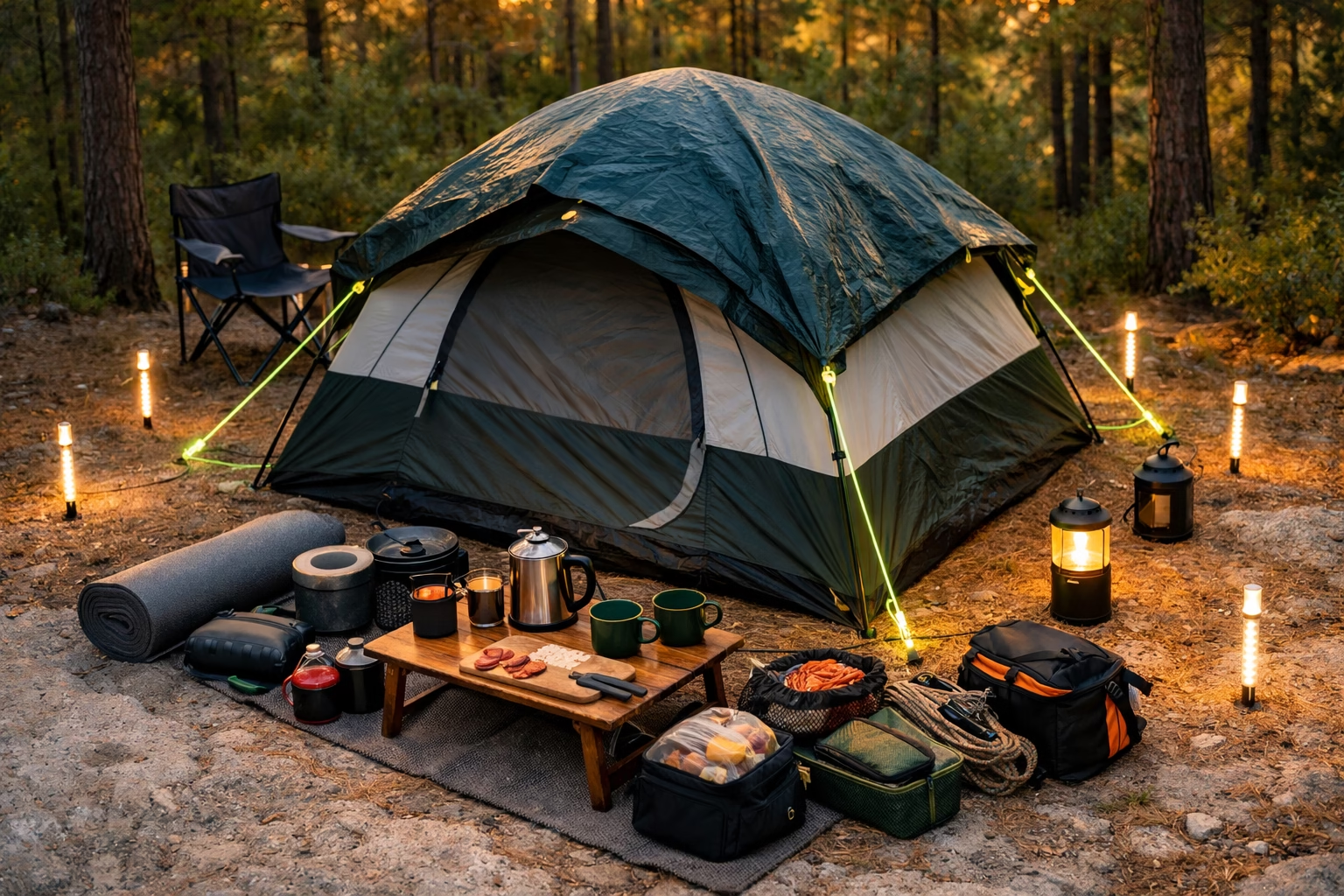
One of the simplest camping upgrades I’ve ever made was switching to glow-in-the-dark guy lines.
They’re inexpensive, easy to install, and have saved me from tripping over tent lines more times than I can count.
Adding small solar-powered LED lights around tent stakes also makes moving around camp after dark much easier.
Organize Your Campsite
I like to think of my campsite as having different rooms.
Create separate areas for:
- Sleeping
- Cooking
- Relaxing
- Gear storage
Knowing exactly where everything belongs makes the campsite feel much less cluttered and helps everyone find what they need quickly.
3. Stay Warm and Comfortable
A comfortable campsite can make the difference between waking up refreshed and counting the hours until morning. Fortunately, staying warm and comfortable doesn’t always require expensive gear. A few simple adjustments can make your tent feel much more inviting, especially when temperatures drop overnight.
One thing I learned after a few camping trips is that comfort starts from the ground up. A warm sleeping setup and good insulation usually matter much more than packing extra blankets.
Insulate Yourself from the Ground

The cold ground can quickly steal body heat, even on mild nights.
A quality sleeping pad creates a barrier between you and the ground while adding extra cushioning for a better night’s sleep.
If you’re camping in cooler weather, choosing an insulated sleeping pad can make a noticeable difference.
Dress in Layers
Temperatures often change throughout the day, so layering your clothing makes it easy to stay comfortable.
I usually pack:
- Moisture-wicking base layer
- Warm fleece
- Waterproof jacket
- Comfortable sleeping clothes
- Warm socks
This combination works well in a wide range of conditions without overpacking.
Use Simple Insulation Hacks
If you expect chilly nights, a few inexpensive tricks can help keep your tent warmer.
Some easy ideas include:
- Hang a mylar emergency blanket inside the tent to reflect body heat.
- Place a foam mat beneath your sleeping pad for extra insulation.
- Zip the tent closed before bedtime while keeping vents partially open to reduce condensation.
Small changes like these often make a surprisingly big difference.
Stay Cool During the Day
Camping isn’t only about staying warm.
During hot weather:
- Pitch your tent in natural shade if possible.
- Open windows and vents to improve airflow.
- Use a tarp to create extra shade over your seating area.
A cooler campsite is much more enjoyable during sunny afternoons.
4. Cook and Pack More Efficiently
Camping meals don’t have to be complicated to be delicious. In fact, I’ve found that the simplest meals are often the most enjoyable because they leave more time to relax and explore instead of standing over a camp stove.
A little preparation before your trip can save time, reduce cleanup, and make every meal easier.
Prepare Meals Before You Leave
Whenever possible, chop vegetables, marinate meat, and portion ingredients at home.
This means less prep work at the campsite and fewer dishes to wash afterward.
Simple one-pot meals are especially helpful because they require minimal equipment and cleanup.
Organize Your Cooler
A well-organized cooler helps food stay cold longer and makes it easier to find what you need.
I like to separate it into sections:
- Drinks
- Breakfast items
- Lunch ingredients
- Dinner ingredients
Keeping similar foods together saves time and prevents unnecessary digging through melting ice.
Bring Easy Snacks
Having quick snacks on hand keeps everyone energized between meals.
Some of my camping favorites include:
- Trail mix
- Fresh fruit
- Granola bars
- Crackers
- Cheese
- Roasted nuts
They’re simple, filling, and don’t require much preparation.
Keep Cooking Simple
One of the biggest mistakes beginners make is planning restaurant-style meals.
Instead, choose recipes with only a few ingredients that can be cooked in one pot or one pan.
You’ll spend less time cooking and more time enjoying your surroundings.
5. Stay Safe Outdoors
Camping should be relaxing, and a few simple habits can help you avoid many common problems before they happen. You don’t need expensive equipment or advanced survival skills—just a little preparation and awareness.
Over the years, I’ve found that the safest campsites are usually the ones where everything has its place, everyone knows the plan, and small precautions become routine.
Make Your Campsite Easy to Navigate
One of the best upgrades I’ve ever made was switching to glow-in-the-dark guy lines.
They’re inexpensive, easy to install, and have saved me from tripping over tent lines more times than I can count.
Adding small solar-powered lights around tent stakes also makes walking around camp after sunset much easier.
Keep Fire Safety Simple

A campfire creates some of the best camping memories, but it also deserves respect.
A few simple habits go a long way:
- Build fires only in designated fire rings.
- Keep a bucket of water nearby.
- Never leave the fire unattended.
- Make sure it’s completely extinguished before going to bed.
These small routines quickly become second nature.
Store Food Properly
Keeping food sealed and stored away from your sleeping area helps discourage curious wildlife.
Whenever possible:
- Store food in secure containers.
- Keep scented items with your food.
- Clean up after every meal.
A tidy campsite is usually a safer campsite.

Watch the Weather
Even the best camping plans sometimes change.
Before your trip—and each morning while you’re camping—check the weather forecast so you can prepare for rain, wind, or temperature changes.
Packing an extra rain jacket or tarp often turns a rainy day into a minor inconvenience instead of a ruined trip.
6. Solve Common Camping Problems
Even experienced campers run into occasional challenges. The good news is that most problems have simple solutions, especially if you’re prepared.
Here are a few of the situations you’re most likely to encounter.
Waking Up to Condensation
A little moisture inside the tent is completely normal.
Keeping a roof vent or window slightly open improves airflow and usually reduces condensation by morning.
Wet Gear After Rain
Hang damp clothing or towels on a clothesline or over camp chairs once the weather clears.
Drying gear as soon as possible helps prevent unpleasant odors and mildew.
Forgetting Small Essentials
Almost every camper has forgotten something at least once.
That’s why I keep a small “emergency bag” in my vehicle with:
- Matches
- Batteries
- Duct tape
- Zip ties
- Multi-tool
- Spare flashlight
It’s amazing how often those little backup supplies come in handy.

Equipment Problems
A small roll of duct tape can temporarily repair:
- Torn tents
- Broken poles
- Sleeping pads
- Camp chairs
- Coolers
It’s one of the most useful items you’ll pack.
Don’t Stress About Perfection
One thing I’ve learned is that something small almost always goes differently than planned.
Maybe it rains.
Maybe dinner takes longer.
Maybe you forget your favorite mug.
Those little moments rarely ruin the trip—they usually become the stories everyone laughs about later.
Frequently Asked Questions
What should first-time campers bring?
Start with the essentials: a reliable tent, sleeping bag, sleeping pad, tarp, headlamp, basic cooking equipment, weather-appropriate clothing, and a simple first aid kit. You can always add extra gear as you gain experience.
How can I make my tent more comfortable?
An insulated sleeping pad, dry sleeping clothes, good ventilation, and a few organization hacks—like keeping frequently used items near the tent entrance—can make a huge difference.
What’s the biggest mistake new campers make?
Trying to bring too much gear. Packing thoughtfully and testing your equipment before leaving home usually leads to a much smoother trip.
Should I set up my tent before leaving home?
Yes. Pitching your tent at home helps you spot missing stakes, broken poles, or damaged zippers before you’re at the campsite.
How do I keep my campsite organized?
Create separate zones for sleeping, cooking, relaxing, and gear storage. Returning items to the same place throughout the trip saves time and reduces clutter.
Conclusion
Tent camping doesn’t have to be complicated to be enjoyable. In my experience, it’s often the simple habits—testing your gear before you leave, arriving at your campsite with plenty of daylight, staying organized, and packing a few thoughtful essentials—that make the biggest difference. These small camping hacks can turn common frustrations into a smooth, relaxing outdoor adventure.
One thing I’ve learned is that no camping trip is ever completely perfect, and that’s part of the fun. You might wake up to an unexpected rain shower, spend a little longer setting up camp than you planned, or forget a small item at home. More often than not, those little moments become the stories you laugh about around the campfire long after the trip is over.
Whether you’re heading out on your very first camping trip or you’ve spent years sleeping under the stars, I hope these easy tent camping hacks help you feel more prepared and confident. With a little planning and the right mindset, you can spend less time solving problems and more time enjoying fresh air, beautiful scenery, and the simple joy of being outdoors.
So pack your gear, choose a great campsite, and don’t worry about making everything perfect. The best camping memories usually come from slowing down, embracing nature, and enjoying the experience one adventure at a time.
Happy camping, and may your next trip be your most comfortable one yet!
References
[1] Camping Hacks – https://www.classpop.com/magazine/camping-hacks


