
Quick Answer
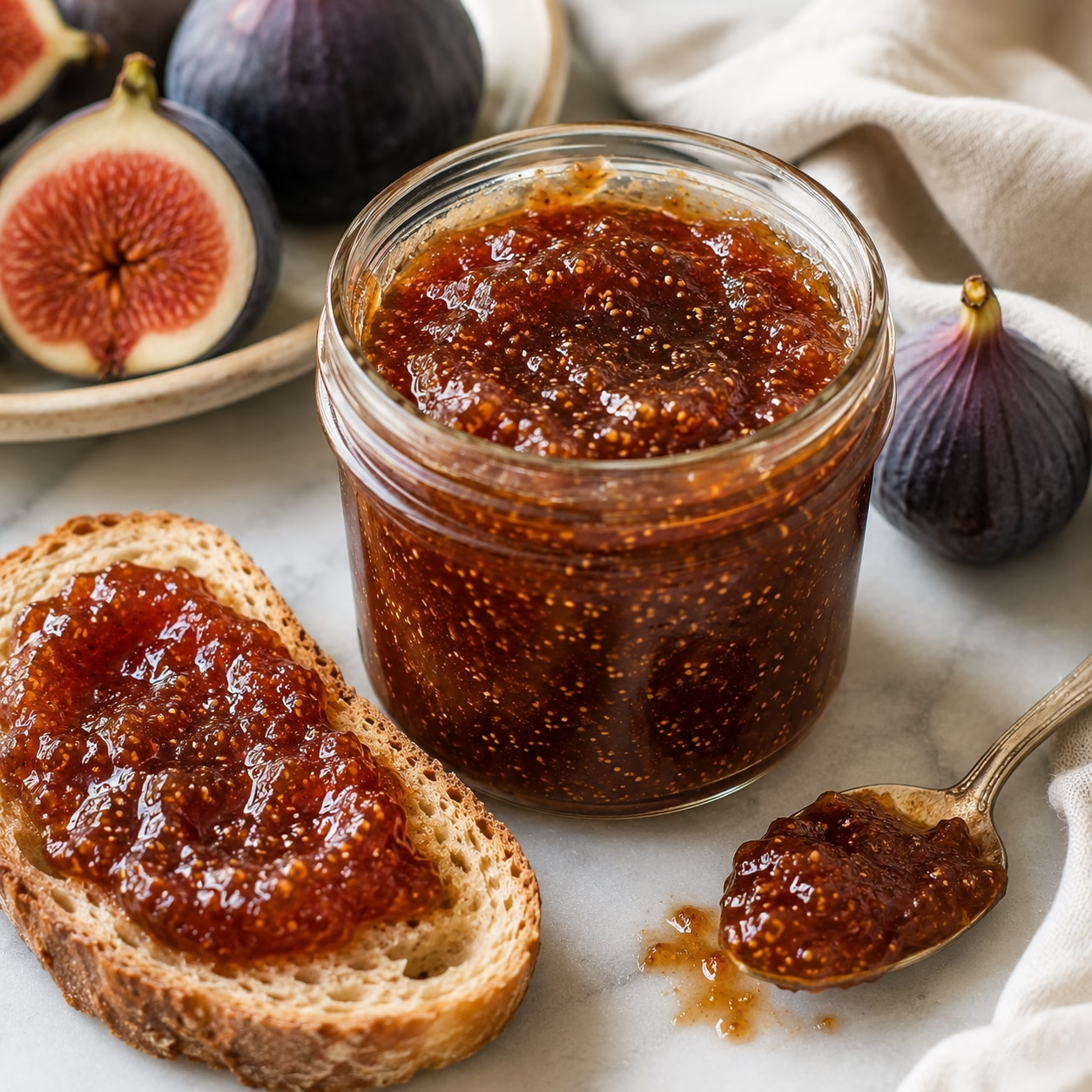
A small batch fig jam recipe is an easy homemade preserve made with just fresh figs, sugar, lemon juice, and water. This recipe relies on the figs’ natural pectin, so there’s no need for commercial pectin. In about 30 minutes, you’ll have a rich, fruity spread that’s perfect for toast, biscuits, yogurt, cheese boards, and desserts. Whether you’re storing it in the refrigerator, freezing it, or canning it for longer shelf life, this simple recipe is a delicious way to enjoy fresh figs.
❤️ Why You’ll Love This Small Batch Fig Jam Recipe
- Perfect small batch. Makes about 1½ cups of jam, ideal when you have a pound of fresh figs without ending up with dozens of jars.
- No added pectin needed. Fresh figs naturally contain pectin, while lemon juice helps create a beautifully soft, spreadable set.
- Ready in just 30 minutes. From prep to finished jam, this recipe comes together quickly, making it perfect for beginners and busy home cooks.
- Rich, homemade flavor. Slow simmering brings out the figs’ natural sweetness for a fresh, fruity jam that’s delicious on everything from toast to cheese boards.
- Easy to store. Enjoy it right away from the refrigerator, freeze it for later, or preserve it with water-bath canning for long-term storage.
I love making this small-batch fig jam because it’s simple, rewarding, and lets the natural flavor of fresh figs take center stage. With just fresh figs, sugar, lemon juice, and water, I can create a rich, spreadable jam without using commercial pectin. Whether I’m enjoying it on warm toast, adding it to a charcuterie board, or spooning it over yogurt, this homemade fig jam is one of my favorite ways to preserve the taste of fresh figs. Best of all, it’s ready in about 30 minutes and is easy to refrigerate, freeze, or can for later.
Ingredients You’ll Need
- 1 pound fresh figs – Black Mission, Brown Turkey, or Kadota figs all work well. Choose ripe figs that are soft to the touch but not overly mushy for the best flavor and texture.
- 1 cup granulated sugar – Sweetens the jam while helping preserve it and create a smooth, spreadable consistency.
- Juice of 1 large lemon – About 3 tablespoons of fresh lemon juice adds brightness, balances the sweetness, and helps activate the figs’ natural pectin.
- ¼ cup water – Helps the ingredients combine and prevents the fruit from sticking as it begins to cook.
Equipment You’ll Need
- Wide stainless steel skillet – A wide skillet encourages faster evaporation, helping the jam thicken more quickly while preserving the fresh fig flavor.
- Wooden spoon or heatproof silicone spatula – For stirring the jam as it cooks and preventing it from sticking to the pan.
- Potato masher – Mash the softened figs to your preferred texture, whether you like your jam chunky or smooth.
- Citrus juicer – Makes it easy to extract fresh lemon juice while keeping seeds out of the jam.
- Measuring cups and spoons – For accurately measuring the sugar, water, and lemon juice.
- Half-pint glass jars with lids – Perfect for storing the finished jam in the refrigerator, freezer, or after water-bath canning.
How to Make Small Batch Fig Jam
Cool and jar the jam. Remove the skillet from the heat and let the jam cool for about 5 minutes before transferring it to clean jars. Refrigerate, freeze, or process in a water bath for long-term storage.
Prepare the figs. Wash the fresh figs thoroughly, remove the stems, and cut them into quarters.
Combine the ingredients. Add the quartered figs, granulated sugar, water, and fresh lemon juice to a wide stainless steel skillet. Stir to combine.
Bring to a boil. Place the skillet over medium-high heat and stir constantly until the sugar has completely dissolved and the mixture reaches a boil.
Simmer until thickened. Reduce the heat to medium and let the jam simmer gently for 15–20 minutes, stirring occasionally, until the fruit breaks down and the mixture thickens enough to coat the back of a spoon.
Mash the figs. Use a potato masher or the back of a wooden spoon to mash the softened figs until the jam reaches your desired consistency.
Check for doneness. If desired, perform the cold plate test by placing a small spoonful of jam on a chilled plate. If it wrinkles when gently pushed with your finger, it’s ready.
Can I Make Fig Jam Without Pectin?
You can easily make fig jam without commercial pectin because figs naturally contain pectin in their skins. The lemon juice in the recipe provides the necessary acid to activate this natural pectin.
Cooking the jam a few minutes longer helps compensate for the lack of added pectin. You want a soft, spoonable texture, not a stiff rubbery block.
Tips for the Best Small Batch Fig Jam
- Choose ripe but firm figs. Soft, ripe figs deliver the sweetest flavor, while a few slightly underripe figs provide extra natural pectin for a better set.
- Use a wide skillet instead of a deep pot. A wide pan allows moisture to evaporate more quickly, helping the jam thicken faster while preserving the fresh fig flavor.
- Don’t skip the lemon juice. Lemon juice isn’t just for flavor—it provides the acid needed to activate the figs’ natural pectin and helps the jam set properly.
- Stir until the sugar dissolves. Make sure the sugar is fully dissolved before the mixture reaches a boil to help prevent crystallization.
- Use the cold plate test. Spoon a little jam onto a chilled plate and let it sit for about 30 seconds. If it wrinkles when pushed with your finger, it’s ready to come off the heat.
- Avoid overcooking. Continue cooking only until the jam reaches the gel stage. Overcooking can result in a stiff, rubbery texture.
Storage & Make-Ahead
Refrigerator
Allow the fig jam to cool completely before transferring it to clean, airtight jars. Store it in the refrigerator for up to 4 weeks. Once opened, always keep the jar refrigerated and use a clean spoon when serving.
Freezer
Fig jam freezes beautifully for up to 6 months. Spoon the cooled jam into freezer-safe containers or glass jars, leaving at least ½ inch of headspace to allow for expansion. Thaw overnight in the refrigerator before using.
Pantry (Water-Bath Canning)
If you process the jars in a boiling water bath, the jam can be stored in a cool, dark pantry for up to 18 months. Leave ¼ inch of headspace in each sterilized half-pint jar and process for 10 minutes if you’re at an altitude of 0–1,000 feet, adjusting the processing time for higher elevations.
Easy Variations

- Spiced Fig Jam
Add 1 cinnamon stick and 2 star anise pods at the beginning of cooking for a warm, cozy flavor that’s perfect for fall. Remove the whole spices before jarring the jam. - Bourbon Fig Jam
Stir in 2 tablespoons bourbon during the last 5 minutes of cooking to add a rich, oaky depth that pairs beautifully with cheese boards. - Vanilla Fig Jam
Add 1 split vanilla bean at the beginning of cooking for a subtle sweetness and fragrant vanilla flavor. Remove the pod before storing the jam. - Balsamic Fig Jam
Stir in 1 tablespoon balsamic glaze during the last 2 minutes of cooking for a sweet and tangy finish that’s delicious with roasted meats and cheeses. - Honey Fig Jam
Replace up to half of the granulated sugar with honey for a naturally sweet variation. You may need to cook the jam a few extra minutes since honey adds additional moisture.
What to Serve With Small Batch Fig Jam
- Warm Homemade Biscuits
Freshly baked biscuits are perfect for spreading with sweet, homemade fig jam while it’s still slightly warm. - Artisan Bread or Toast
Serve with crusty sourdough, French bread, or toasted whole-grain bread for a simple breakfast or afternoon snack. - Cheese Board
Fig jam pairs beautifully with soft cheeses like brie and goat cheese, as well as aged cheddar, crackers, nuts, and fresh fruit. - Greek Yogurt or Oatmeal
Stir a spoonful into plain Greek yogurt or warm oatmeal for a naturally sweet breakfast. - Roasted Meats
The sweet, rich flavor complements roasted pork, chicken, or turkey, especially when served as a glaze or condiment. - Peanut Butter or Almond Butter Toast
Layer fig jam over your favorite nut butter for a delicious sweet-and-savory breakfast. - Vanilla Ice Cream or Cheesecake
Spoon the jam over vanilla ice cream, cheesecake, or panna cotta for an easy homemade dessert topping.
Common Mistakes to Avoid
- Skipping the lemon juice: Without acid, the natural pectin will not gel, and the jam will remain a runny syrup.
- Using a deep pot: Deep pots trap moisture and slow evaporation. Use a wide skillet to cook the jam quickly and preserve the fresh fig flavor.
- Overcooking the jam: If you cook past the gel stage, the jam will become stiff and rubbery. Pull it from the heat the moment it passes the cold plate test.
Frequently Asked Questions
Do I need to peel the figs before making jam?
No. The fig skins contain much of the fruit’s natural pectin and soften during cooking, so there’s no need to peel them.
Can I use frozen figs?
Yes. Thaw the figs completely and drain any excess liquid before weighing and cooking them.
Can I make fig jam without commercial pectin?
Yes. Fresh figs naturally contain pectin, and the lemon juice provides the acid needed to activate it, so no commercial pectin is required.
Why is my fig jam too runny?
Runny jam is usually caused by undercooking or not having enough acid. If the jam doesn’t pass the cold plate test, simmer it for a few more minutes. Remember that it will continue to thicken as it cools.
Why did my fig jam crystallize?
Sugar crystals can form if the sugar doesn’t fully dissolve before the mixture reaches a boil. Stir constantly during the initial cooking stage until all the sugar has dissolved.
Can I substitute honey for the sugar?
Yes. You can replace up to half of the granulated sugar with honey, but expect a softer set and a slightly longer cooking time because honey adds extra moisture.
How long does homemade fig jam last?
Refrigerator fig jam keeps for up to 4 weeks, freezer jam stays at its best for up to 6 months, and properly water-bath canned jam can be stored in a cool, dark pantry for up to 18 months.
Conclusion
I love how this small batch fig jam turns a handful of simple ingredients into a rich, flavorful spread that’s perfect for everyday use. With no commercial pectin required, it’s an easy recipe that lets the natural sweetness of fresh figs shine through. Whether you enjoy it on warm toast, pair it with your favorite cheeses, or spoon it over yogurt or desserts, this homemade jam is a delicious way to make the most of fig season.
If you give it a try, I’d love to hear your favorite way to enjoy it or any fun variations you create! For more ways to use your fresh fruit, check out our Southern Peach Bread Recipe | Single-Serve Quick Bread or our Lemon Blueberry Cheesecake Dump Cake Recipe (Easy!).
Leave a comment below with your favorite ingredient twists on this fig jam, and save the pin on Pinterest for your next preserving session!
Small Batch Fig Jam
Equipment
- Wide stainless steel skillet
- Wooden spoon or silicone spatula
- Potato masher
- Citrus juicer
- * Measuring cups and spoons
- Half-pint glass jars with lids
Ingredients
- 1 pound 454 g fresh figs, quartered
- 1 cup 200 g granulated sugar
- Juice of 1 large lemon about 3 tablespoons
- ¼ cup 60 ml water
Instructions
- Wash the figs, remove the stems, and cut them into quarters.
- Combine the figs, sugar, lemon juice, and water in a wide stainless steel skillet.
- Bring the mixture to a boil over medium-high heat, stirring constantly until the sugar dissolves.
- Reduce the heat to medium and simmer for 15–20 minutes, until the fruit breaks down and the jam thickens enough to coat a spoon.
- Mash the figs with a potato masher or the back of a wooden spoon until you reach your desired consistency.
- Test for doneness using the cold plate test if desired.
- Remove from the heat, cool for 5 minutes, then transfer to clean jars. Refrigerate, freeze, or process using a water-bath canner for shelf-stable storage.
Notes
A wide skillet helps moisture evaporate quickly, allowing the jam to thicken faster.
Don’t skip the lemon juice—it activates the figs’ natural pectin and balances the sweetness.
Stir until the sugar has completely dissolved before boiling to help prevent crystallization.
The jam will continue to thicken as it cools, so remove it from the heat once it passes the cold plate test.


