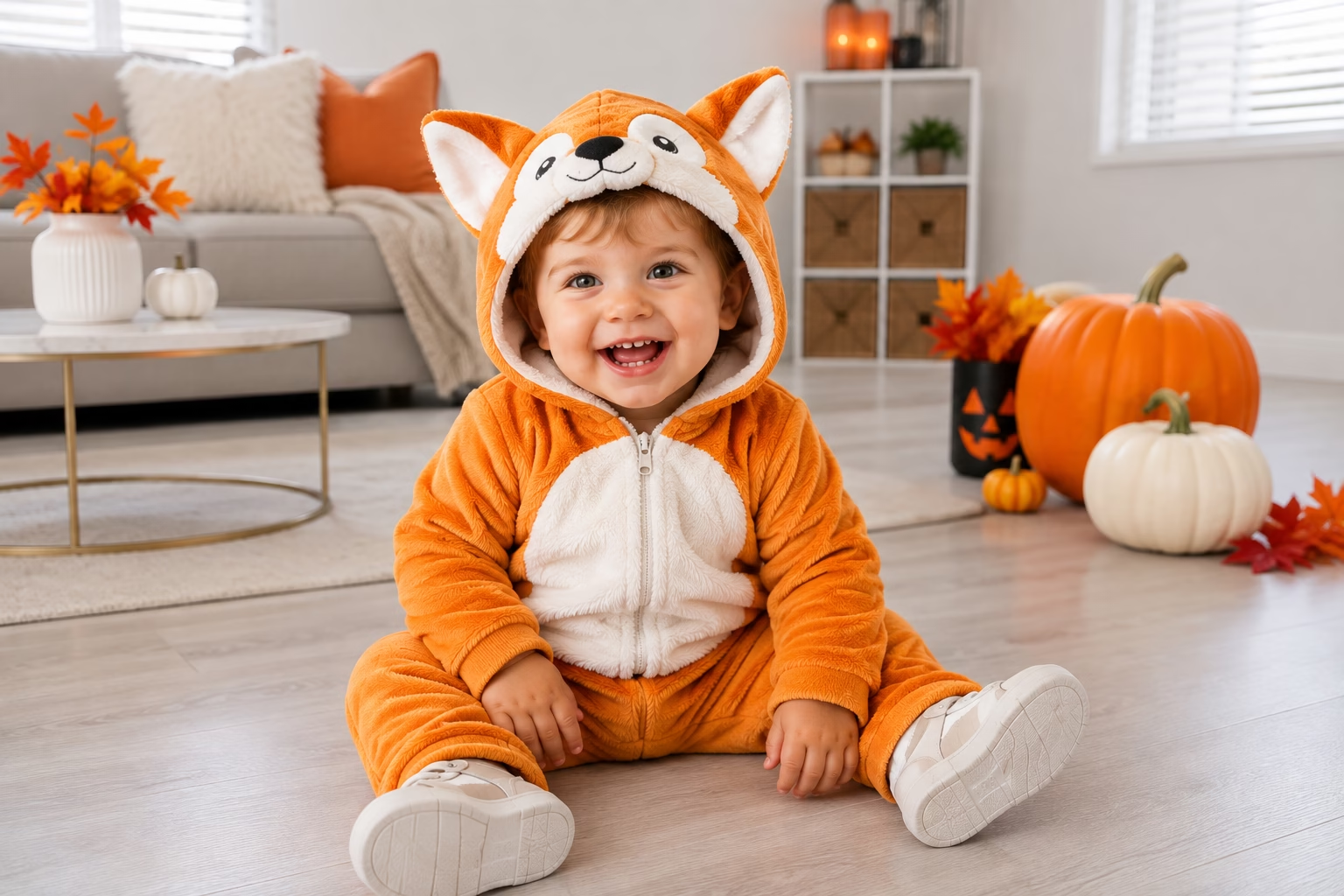
Finding the right Halloween costume for a toddler can be harder than it looks. They may love a costume in the store but refuse to wear it once Halloween arrives, or happily choose something that isn’t practical for walking, playing, or trick-or-treating.
For me, the best toddler Halloween costume combines comfort, safety, and something your child actually enjoys.
In 2026, popular ideas include soft animal costumes, Pokémon and other character favorites, ocean creatures, classic pumpkins, dinosaurs, food costumes, and nature-inspired looks. But trends are only part of the decision. A costume that fits well, allows your toddler to move freely, and doesn’t bother them is much more likely to be a success.
In this guide, I’ll share toddler Halloween costume ideas for ages 1–3, how to choose a comfortable and safe costume, whether buying or DIY makes more sense, creative ideas beyond the usual pumpkins and superheroes, and practical tips for getting your toddler to actually wear the costume.
Key Takeaways
- Choose soft, comfortable fabrics and a costume that allows easy movement.
- Look for flame-resistant materials such as labeled nylon or polyester costumes.
- Avoid full face masks that can interfere with vision and breathing.
- Use your toddler’s regular, well-fitting shoes rather than flimsy costume footwear.
- Add reflective tape to the costume or treat bag for evening visibility.
- Choose a costume that can accommodate warm layers when needed.
- Keep accessories soft, flexible, and free from sharp or small detachable parts.
- Let your toddler help choose between a few costume options.
- Try the costume at home before Halloween night.
Best Toddler Halloween Costume Ideas

The best place to start is with what your toddler already loves. If they’re fascinated by animals, choose an animal. If they constantly talk about a favorite character, a character costume may be the obvious choice. And if they hate hats or anything on their head, there’s no reason to force one into the costume.
Here are some ideas to consider.
Animal Costumes

Animal costumes are a classic toddler choice because they’re usually playful, comfortable, and easy to recognize.
Some cute options include:
- Lion with a plush mane hoodie
- Shark onesie
- Dinosaur
- Bunny with floppy ears
- Bumblebee
- Ladybug
- Cat
- Puppy
For toddlers who don’t like things on their heads, a full-body onesie without a separate hat or headpiece can be a much better option.
Character Costumes
If your toddler has a favorite character, Halloween is a great excuse to lean into it.
Popular choices mentioned in the original guide include:
- Pikachu
- Minecraft Creeper
- Favorite animated movie characters
- Spider-Man
- Wonder Woman
The best character costume isn’t necessarily the most elaborate one. If your child loves the character, even a simple version can be exciting.
Classic Halloween Costumes
Some costumes never really go out of style:
- Pumpkin
- Witch or wizard
- Friendly ghost
- Bumblebee
A pumpkin costume is particularly practical for younger toddlers because many versions are soft, roomy, and easy to layer underneath.
Choose based on your toddler: If your toddler hates anything on their head, choose a full-body costume without a hat. If they’re obsessed with a particular character, lean into that interest. The costume they’ll happily wear is usually better than the one that simply looks best.
How to Choose a Comfortable, Safe Toddler Costume

Comfort and safety really belong in the same section because the things that make a costume comfortable often make it more practical and safer too.
A beautiful costume isn’t much use if your toddler refuses to wear it after five minutes.
Choose Comfortable Fabric
Look for soft, breathable materials such as fleece or jersey knit.
Avoid scratchy materials directly against the skin, especially rough tulle or stiff decorations.
Make Bathroom Changes Easy
Toddlers still need frequent bathroom or diaper changes, so complicated costumes can quickly become frustrating.
Zippers and Velcro are generally much easier to manage than costumes with lots of buttons or complicated layers.
Leave Room to Move
Your toddler should be able to:
- Walk comfortably
- Squat
- Sit
- Run
- Climb when appropriate
- Get in and out of a stroller or car seat safely
Avoid costumes that are too tight, restrictive, or difficult to move in.
Choose Safe Footwear
Costume shoes may look cute, but they aren’t always practical.
For walking or trick-or-treating, your toddler’s regular, well-fitting shoes are usually the better choice.
Avoid Full Masks
Full masks can restrict vision and may interfere with comfortable breathing.
For toddlers, I prefer face paint or a partial accessory that doesn’t cover the eyes, nose, or mouth.
Keep Accessories Simple
Soft and flexible accessories are preferable to rigid props.
Avoid:
- Sharp edges
- Rigid toy weapons
- Small detachable pieces
- Anything your toddler could easily trip over
Add Visibility for Halloween Night
If you’ll be outside after dark, add reflective tape to the costume and treat bag.
A flashlight or other appropriate light source can also help make your toddler easier to see.
Do a Costume Test Run
A few days before Halloween, put the complete costume on your toddler and let them play in it for about 20–30 minutes.
This is one of the easiest ways to discover problems before Halloween night.
Maybe the hat bothers them. Maybe the sleeves are too tight. Maybe they can’t comfortably sit down. It’s much better to find that out at home than when you’re standing outside someone’s house.
If your toddler loves crafts and creative play, you may already have a good idea of the themes they enjoy. These summer crafts and DIY ideas for kids can provide year-round inspiration and may even spark a costume idea.
Keeping Your Toddler Warm in Their Costume

Halloween weather can be unpredictable, so think about what your toddler will wear underneath the costume before choosing one.
Good Choices for Cooler Weather
Onesie-style costumes such as animals, dinosaurs, and sharks are often roomy enough for a long-sleeve shirt underneath.
Pumpkin and vegetable costumes can also work well because their loose shape may leave room for an extra layer.
If the costume itself is thin, plan to bring a lightweight hoodie or jacket that works with the colors of the outfit.
The goal is to keep your toddler warm without making the costume so bulky that movement becomes difficult.
For more seasonal ideas, you can also explore this 30 Fall Bucket List Ideas for a Happy Season and plan other simple autumn activities around Halloween.
Should You Buy or DIY a Toddler Halloween Costume?

Both options can work. The better choice depends on your time, budget, crafting skills, and how specific your toddler is about what they want to wear.
| Factor | Buy | DIY |
|---|---|---|
| Time | Very little preparation | Usually takes more time |
| Cost | Often $15–$50 | Can be inexpensive depending on materials |
| Fit | Limited customization | Highly customizable |
| Materials | Usually labeled for relevant safety information | Depends on what you use |
| Toddler involvement | Easy to choose from existing options | Can be part of the creative process |
Buy If:
- You’re short on time.
- Your toddler wants a specific licensed character.
- You want something ready to wear.
- You need a predictable fit.
DIY If:
- You enjoy making things.
- You want something unique.
- Your toddler has a very specific idea.
- You already have suitable materials at home.
You don’t need to build an elaborate costume from scratch. A simple base outfit combined with a few homemade details can be enough.
For DIY inspiration, the Easy Sponge Painted Ice Cream Craft shows the kind of simple creative project that can spark ideas for a homemade costume.
See toddler camping activities for more ways to keep little ones engaged throughout the season.
How to Get Your Toddler to Actually Wear Their Costume
Even the perfect costume won’t help if your toddler refuses to put it on.
The easiest approach is to make the costume familiar before Halloween.
1. Let Them Choose
Give your toddler two or three options you’ve already approved.
They get to make the final choice, but you still control which costumes are practical and safe.
2. Practice at Home
Put the costume on during normal playtime.
Let your toddler walk, sit, play, and move around in it so they become familiar with how it feels.
3. Keep It Simple
One-piece costumes are often easier than outfits with lots of separate pieces.
Every additional accessory is another opportunity for something to become uncomfortable or get lost.
4. Don’t Force Accessories
If your toddler hates the hat, skip the hat.
If they don’t want the cape, leave it off.
A child doesn’t need every part of a costume for the theme to work.
5. Build Excitement
Talk about the costume before Halloween. Let your toddler see it, touch it, and help prepare it.
That can make the costume feel familiar rather than like something suddenly being forced on them.
If They Still Refuse
Don’t force it.
Have a backup Halloween outfit ready—perhaps a festive shirt and comfortable pants in Halloween colors.
The goal is a happy toddler, not a perfect photograph.
Frequently Asked Questions
What age is considered a toddler for Halloween costumes?
Toddler costumes generally cover children around ages 1–3, although sizing varies between brands. Check the height and weight recommendations rather than relying only on the age label.
Are full mask costumes safe for toddlers?
Full masks aren’t a good choice for toddlers because they can interfere with vision and comfortable breathing. Face paint or a partial accessory that leaves the eyes and nose clear is a better option.
How much should I spend on a toddler Halloween costume?
The original guide gives a typical range of about $15–$50. You don’t necessarily need to spend more, especially since toddlers grow quickly and may only wear a costume once.
What fabric is safest for toddler Halloween costumes?
Look for costumes labeled flame-resistant and follow the manufacturer’s care and safety instructions. Avoid loose, flowing materials around open flames.
Can my toddler wear their costume to daycare or a Halloween party?
Usually, yes, but check the daycare or party’s costume rules first. Some settings may restrict masks, props, or certain accessories.
Conclusion
Finding the right toddler Halloween costume comes down to three things: what your child loves, what keeps them comfortable and safe, and what they’ll actually agree to wear.
There are plenty of fun options in 2026, from soft animal onesies and classic pumpkins to favorite characters, food costumes, and nature-inspired ideas. But you don’t need to follow every trend.
Start by giving your toddler two or three choices. Try the costume at home before Halloween, make sure they can move comfortably, choose practical shoes, add reflective details for evening outings, and skip accessories that cause frustration.
And if your toddler changes their mind at the last minute? That’s okay.
A festive Halloween outfit, pajamas, or even a simple shirt in their favorite color can still make the day special.
If you’re planning more autumn activities together, don’t miss the 30 Fall Bucket List Ideas for a Happy Season for more ways to enjoy the season with your little one.