
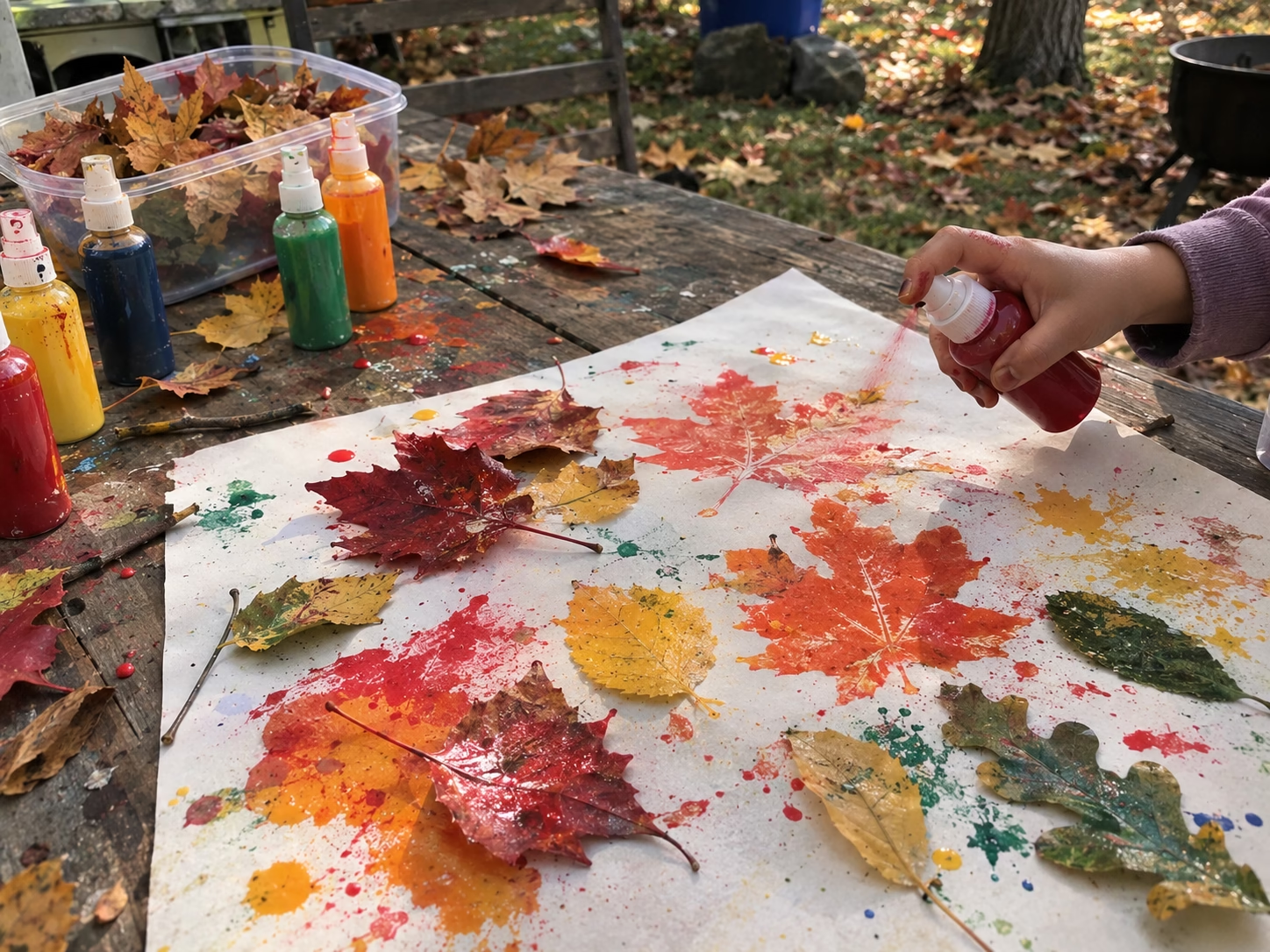
One of my favorite fall activities is turning colorful fallen leaves into artwork. Whenever my family goes outside for a nature walk, I usually come home with a basket of leaves that are too pretty to leave behind. Fall leaf spray painting gives us an easy way to turn those leaves into colorful decorations while still enjoying the outdoors.
I love this craft because every leaf brings something different. The shape, veins, and texture of each leaf create a slightly different result, even when we use the same paint colors. It is inexpensive, easy to set up, and simple enough for a family afternoon, classroom activity, or backyard craft.
In this guide, I’ll show you how I choose and prepare leaves, what paint works best, how I spray-paint them, how to preserve the finished artwork, and the mistakes I try to avoid.
Quick Answer: Fall leaf spray painting is a simple nature craft where I use freshly fallen leaves as the canvas or as stencils. I use washable liquid watercolors or diluted tempera paint in small pump spray bottles, then let the artwork dry before displaying or sealing it. For the best results, I choose fresh, flexible leaves and protect my workspace because the fine paint mist can travel farther than expected.
Key Takeaways
- Fresh, flexible leaves are easier to paint and less likely to crack.
- Washable liquid watercolors and diluted tempera work well for this project.
- Pressing curled leaves for 24–48 hours helps them lie flat.
- I prefer working outdoors because spray bottles create a fine mist.
- Simple colors work beautifully, but layering creates more interesting designs.
- For younger children, I keep the activity simple and supervise closely.
- Sealing completely dry artwork can help preserve the finished leaves.
Fall Leaf Spray Painting at a Glance
| Idea | Best For | Difficulty | Time |
|---|---|---|---|
| Spray-Painted Leaves | All ages | ⭐ Beginner | 20–30 mins |
| Leaf Stencil Art | Ages 5+ | ⭐ Beginner | 25–35 mins |
| Rainbow Leaf Blends | Ages 6+ | ⭐⭐ Easy | 30 mins |
| Ombre Autumn Leaves | Older kids | ⭐⭐ Easy | 30–40 mins |
| Galaxy Leaves | Ages 8+ | ⭐⭐⭐ Intermediate | 40 mins |
| Metallic Painted Leaves | Home décor | ⭐⭐ Easy | 25–35 mins |
| Splatter Art Leaves | Family crafts | ⭐ Beginner | 20 mins |
| Nature Collage | Classroom projects | ⭐⭐ Easy | 35–45 mins |
| Leaf Garland | Home decoration | ⭐⭐ Easy | 45 mins |
| Framed Leaf Artwork | Keepsakes | ⭐⭐⭐ Intermediate | 45–60 mins |
Why I Love Fall Leaf Spray Painting
I love that this project begins outside. Collecting leaves turns a simple craft into a little nature adventure, and kids naturally start noticing different shapes, colors, textures, and vein patterns along the way.
Once we get home, the painting is just as enjoyable. There is no pressure to make every leaf perfect because each one already has its own shape and character. A few sprays of color can completely change how an ordinary leaf looks.
It also fits easily into a family craft afternoon, classroom project, or outdoor fall activity. If you’re planning more seasonal activities, you might also enjoy our 30 Fall Bucket List Ideas For A Happy Season.
Choosing and Preparing the Leaves

One of my favorite parts of this craft is collecting the leaves. I usually look in my yard, local parks, nature trails, or other places where fallen leaves are easy to find. I look for leaves that are colorful, flexible, and free from large tears.
Maple, oak, birch, and sweetgum leaves are some of my favorites because they offer interesting shapes and textures. If fresh leaves aren’t available, preserved or faux craft leaves can also work.
After collecting them, I gently wipe away dirt and let them dry completely. If a leaf is curled, I place it between sheets of parchment or wax paper inside a heavy book for 24–48 hours.
My Favorite Leaves
| Leaf Type | Why I Like It |
|---|---|
| Maple | Large surface and beautiful shape |
| Oak | Interesting edges and strong texture |
| Birch | Smooth surface that’s easy to paint |
| Sweetgum | Fun shape for stencil artwork |
| Faux craft leaves | Reusable and great for practicing |
My tip: I collect a few extra leaves in different sizes. That way, if one tears or doesn’t work out, we can simply grab another and keep creating.
Choosing the Right Paint

For children’s projects, I prefer washable liquid watercolors or diluted tempera paint in small pump spray bottles. They are much easier to clean up than regular aerosol spray paint and make it easy for kids to experiment with color.
| Paint Type | Best For |
|---|---|
| Liquid watercolors | Light leaves, blending, and stencil art |
| Diluted tempera | Bold colors and stronger coverage |
| Regular aerosol spray paint | Adult-only decorative projects |
I always test the paint on one extra leaf first. If the paint doesn’t spray smoothly, I thin it slightly with water and test it again.
Safety and Easy Cleanup
I prefer doing this craft outdoors because spray bottles create a fine mist that can travel farther than expected. Before we begin, I cover the work area with an old sheet, newspaper, or drop cloth and have everyone wear clothes that can get messy.
- Use washable, non-toxic children’s paint.
- Supervise younger children throughout the activity.
- Keep spray bottles pointed toward the leaves, not people.
- Protect tables, floors, and nearby surfaces.
- Keep paper towels and water nearby for quick cleanups.
I also like giving each child their own spray bottle and workspace. It keeps things more organized and gives everyone room to experiment.
How I Spray Paint Fall Leaves

Once the leaves are prepared and the paint is ready, the actual painting is simple. I keep the first round light and let the kids build up the color rather than soaking the leaves with paint.
- Protect the workspace. Cover the table or ground with a drop cloth or large sheets of paper.
- Arrange the leaves. Lay the leaves flat with a little space between them.
- Fill the spray bottles. Use washable liquid watercolor or diluted tempera paint.
- Start spraying. Hold the bottle about 8–10 inches away and use short, gentle sprays.
- Layer the colors. Let the first color dry slightly before adding another.
- Try stencil art. Place leaves on paper and spray around them, then lift the leaves carefully.
- Let everything dry. Allow the finished artwork to dry completely before displaying or sealing it.
My tip: I usually start with lighter colors and add darker shades afterward. This creates softer blends while still allowing the natural leaf shape and veins to show through.
Common Mistakes I Avoid
Most problems with leaf spray painting are easy to prevent once you know what to watch for.
- Using brittle leaves: I choose freshly fallen, flexible leaves instead of ones that crumble when touched.
- Spraying too close: I keep the bottle about 8–10 inches away so the paint doesn’t form heavy puddles.
- Using thick paint: I dilute tempera enough for it to spray smoothly and test it before starting.
- Skipping preparation: Clean, flat leaves give me much better results than dirty or tightly curled ones.
- Forgetting to protect the workspace: I always cover the area because the paint mist can spread beyond the leaves.
I also keep several extra leaves nearby. It is much easier to replace one that tears than to stop the whole project while searching for another.
How I Preserve Spray-Painted Leaf Artwork

Once the paint is completely dry, I can seal the artwork with a thin layer of Mod Podge or a clear acrylic sealer. This adds a protective coating and can help the finished piece last longer.
For delicate leaves, I apply the sealer gently to both sides and allow each side to dry completely. I then frame the leaf, display it on paper, or use it as part of another fall decoration.
Sealing won’t stop a natural leaf from eventually drying out, curling, or becoming brittle, but it can help protect the painted surface. For another project where sealing and painting are important, see our How To Paint Terracotta Pots: Complete 2026 Guide.
Frequently Asked Questions
Can I use regular spray paint for this craft?
For children’s projects, I prefer washable liquid watercolors or diluted tempera in small pump spray bottles. I avoid regular aerosol spray paint because of the fumes.
What are the best leaves for spray painting?
Fresh maple, oak, and birch leaves are some of my favorites because they are flexible and have interesting shapes and vein patterns.
How do I keep painted leaves from curling?
I press curled leaves between parchment paper inside a heavy book for 24–48 hours before painting. After the artwork dries, sealing it can also help protect the finished surface.
Can toddlers do this craft?
Yes, with close supervision. For toddlers, I keep the project simple, use washable non-toxic paint, and let them experiment with just one or two colors.
Can I paint leaves indoors?
I prefer working outdoors, but if I need to work indoors, I protect the entire work area and make sure the room is well ventilated.
Final Thoughts
Fall leaf spray painting is one of those crafts I keep coming back to because it starts with something as simple as a walk outside and ends with artwork that feels completely unique. I love watching kids choose their favorite leaves, experiment with colors, and discover how different shapes create different patterns.
You don’t need expensive supplies or perfect artistic skills. A few flexible leaves, washable paint, and a little creativity are enough to get started.
So grab a basket, head outside, collect a few colorful leaves, and let everyone create their own version. The finished leaves may not all look perfect—and that’s exactly what makes them special.


