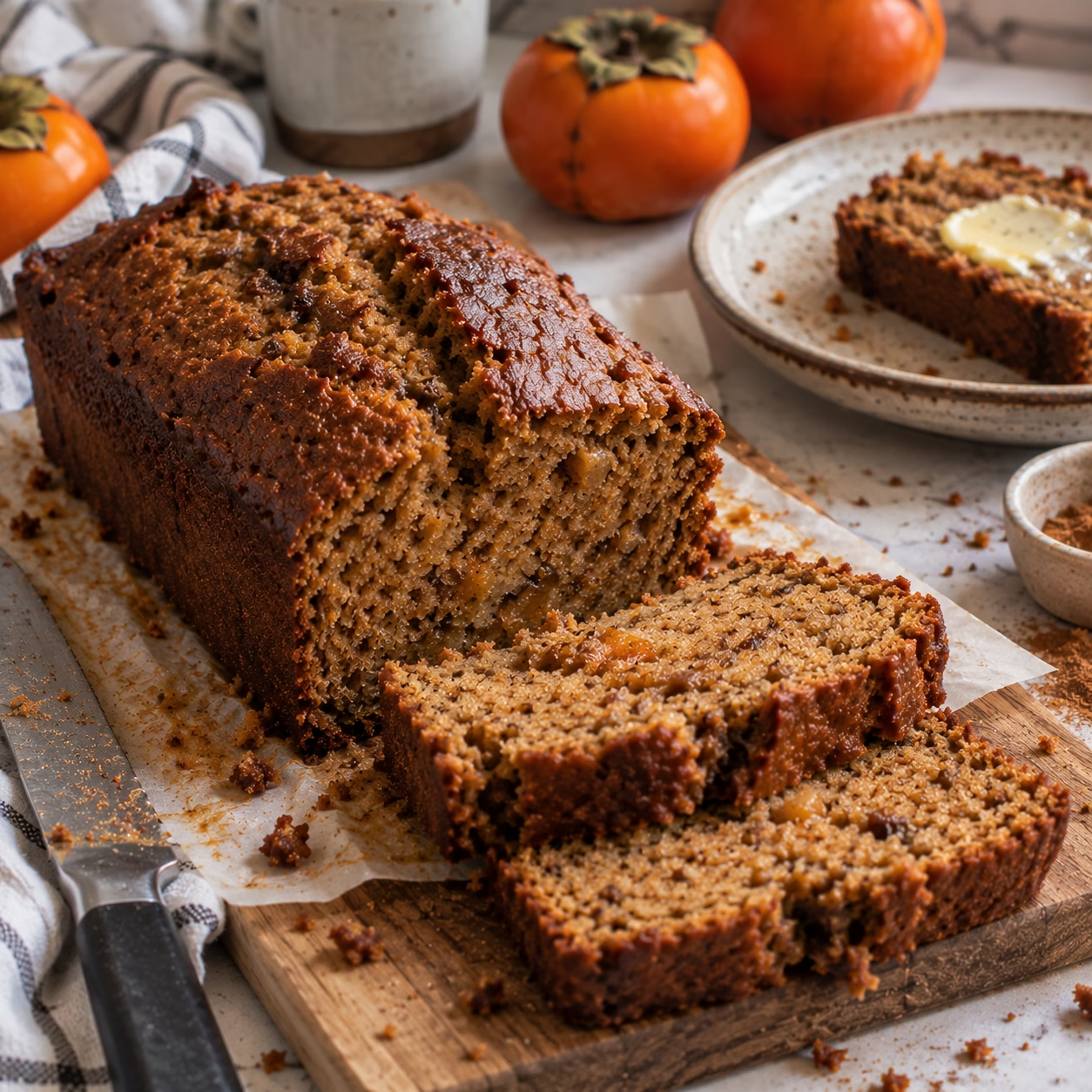
Persimmon bread is a moist, warmly spiced quick bread made with sweet, jammy persimmon pulp, cinnamon, and nutmeg. The fruit gives the loaf its naturally rich color, tender crumb, and subtle honey-like sweetness, while baking soda provides the lift needed for a satisfying quick-bread texture.
The most important part of making good persimmon bread happens before you even mix the batter: choose very ripe Hachiya persimmons. When they’re ready, the fruit should be extremely soft and jelly-like inside. That’s when the pulp is sweet, smooth, and ready to turn into bread.
This is an easy one-bowl-style fall bake that works beautifully for breakfast, an afternoon snack, or a simple dessert with coffee or tea. Comparable persimmon bread recipes also use very ripe Hachiya pulp, warm spices, and a 350°F oven, with baking times generally around an hour.
Quick Answer
Persimmon bread is a soft, moist quick bread made with ripe Hachiya persimmon pulp, all-purpose flour, butter, sugar, eggs, baking soda, cinnamon, and nutmeg.
For the best texture, use completely ripe Hachiya persimmons that have softened to a jelly-like consistency. Mix the batter gently, bake it in a greased 9×5-inch loaf pan at 350°F (175°C), and begin checking around 55 minutes. The loaf is ready when the top is set, and a toothpick inserted in the center comes out with a few moist crumbs rather than wet batter. Similar recipes use the same oven temperature and approximately one hour of baking time.
❤️ Why You’ll Love This Recipe
- Uses simple ingredients that you probably already have in your baking cupboard.
- Perfect for ripe persimmons that are too soft to enjoy out of hand.
- Warm and gently spiced, with cinnamon and nutmeg complementing the fruit.
- Moist without being cake-like, thanks to the naturally soft persimmon pulp.
- Easy to customize with walnuts, pecans, raisins, dried cranberries, or chocolate chips.
Ingredients You’ll Need

Persimmon Bread
- 1 cup (230g) ripe Hachiya persimmon pulp
- 2 cups (250g) all-purpose flour
- 1 teaspoon (5g) baking soda
- ½ teaspoon (3g) salt
- 1 teaspoon (3g) ground cinnamon
- ½ teaspoon (1g) ground nutmeg
- ½ cup (113g) unsalted butter, softened
- 1 cup (200g) granulated sugar
- 2 large eggs
- 1 teaspoon (5ml) vanilla extract
Choosing the Right Persimmons
Hachiya persimmons are the best choice for this version. They become extremely soft when fully ripe, making them easy to scoop and puree.
An unripe Hachiya can be intensely astringent, so don’t try to rush the process. The fruit should feel almost liquid inside when gently pressed.
Fuyu persimmons are a different variety and stay much firmer when ripe. Some baking recipes do use Fuyu, but they require a different approach to preparation. For this recipe, where smooth persimmon pulp is the foundation of the batter, very ripe Hachiyas are the most reliable choice.
Equipment You’ll Need
- 9×5-inch loaf pan
- Parchment paper, optional
- Medium mixing bowl
- Large mixing bowl
- Whisk
- Electric mixer
- Rubber spatula
- Food processor or blender, if needed to puree the pulp
- Wire cooling rack
- Toothpick or cake tester
How to Make Persimmon Bread
Step 1: Prepare the Oven and Pan
Preheat your oven to 350°F (175°C).
Grease a 9×5-inch loaf pan. For easier removal, line the bottom and two long sides with parchment paper, leaving a little overhang.
A 9×5-inch pan is commonly used for persimmon bread recipes and gives this amount of batter enough room to rise without creating an excessively thick center.
Step 2: Prepare the Persimmon Pulp
Cut the ripe Hachiya persimmons open and scoop the soft flesh away from the skin.
Puree the pulp until smooth if it is not already soft enough to mash easily. Measure out 1 cup (230g) for the recipe.
If the pulp contains seeds or obvious tough pieces, remove them before using.
Step 3: Mix the Dry Ingredients
In a medium bowl, whisk together the flour, baking soda, salt, cinnamon, and nutmeg.
Set the bowl aside while you prepare the wet ingredients.

Step 4: Cream the Butter and Sugar
In a large bowl, beat the softened butter and sugar together for about 2 minutes, until lighter and fluffy.
Creaming the butter and sugar helps incorporate air into the batter before the flour is added.
Step 5: Add the Eggs and Persimmon
Beat in the eggs one at a time, mixing well after each addition.
Add the vanilla and persimmon pulp and mix until evenly combined.
The mixture may look darker and somewhat loose at this point. That’s normal because of the color and moisture from the persimmon.
Step 6: Fold in the Dry Ingredients
Add the dry ingredients to the persimmon mixture.
Fold gently with a spatula just until no obvious streaks of flour remain.
Don’t overmix. Once the flour disappears, stop mixing. Overworking the batter can make the finished loaf tougher instead of tender.

Step 7: Bake
Pour the batter into the prepared loaf pan and smooth the top.
Bake at 350°F (175°C) for about 55–65 minutes.
Start checking around the 55-minute mark because oven temperatures and the moisture content of individual persimmons can vary.
The bread is done when:
- The top looks set and deeply browned.
- The edges have started to pull slightly away from the pan.
- The center feels set rather than wet.
- A toothpick inserted into the center comes out with a few moist crumbs rather than raw batter.
Comparable recipes range from about 50 minutes to an hour or slightly longer at 350°F, so visual and toothpick cues are more useful than relying on one exact minute.
Step 8: Cool Completely
Let the bread cool in the pan for about 15–20 minutes.
Carefully lift it out and transfer it to a wire rack to finish cooling.
Allow the loaf to cool completely before slicing. The crumb continues to set as it cools, making clean slices much easier.

Tips for the Best Persimmon Bread
Use extremely ripe Hachiyas.
This is the single most important tip. The fruit should be soft, jelly-like, and sweet rather than firm.
Measure the pulp.
Persimmons can vary considerably in size and moisture. Use the specified 1 cup (230g) rather than simply guessing based on the number of fruits.
Don’t overmix.
Fold the flour in gently and stop as soon as the dry ingredients disappear.
Use a light-colored loaf pan if possible.
Dark pans can brown the outside more quickly. If your pan consistently produces very dark crusts, keep a close eye on the loaf near the end of baking.
Don’t pull the bread out too early.
Persimmon pulp adds substantial moisture. A loaf can look finished on top while still being underbaked in the center.
Let it cool before slicing.
A hot loaf can seem gummy or fall apart when cut. Give it time to set.
Want extra texture?
Fold in chopped walnuts or pecans, raisins, dried cranberries, or chocolate chips before transferring the batter to the pan.
Storage & Make-Ahead
Room Temperature
Once completely cooled, wrap the loaf tightly and keep it at room temperature for about 3–4 days.
Because persimmon bread is quite moist, don’t leave it uncovered for extended periods.
Refrigerator
For longer storage, refrigerate the tightly wrapped loaf. Bring slices closer to room temperature before serving for the best texture.
Freezer
Persimmon bread freezes well for up to 3 months.
Wrap the completely cooled loaf tightly in plastic wrap, followed by foil or a freezer-safe bag. You can also freeze individual slices so you only need to thaw what you plan to eat.
Thaw at room temperature before serving.
Traditional and modern persimmon bread recipes both support freezing the finished loaf.
Variations

Persimmon Bread Without Nuts
The base recipe is already nut-free. If you’d like to add texture without using nuts, fold in ½ cup of one of these:
- Raisins
- Dried cranberries
- Chocolate chips
- Chopped dried apricots
Persimmon Bread With Walnuts or Pecans
Fold ½ cup chopped walnuts or pecans into the finished batter just before transferring it to the pan.
Walnuts and pecans are traditional additions to persimmon bread and pair particularly well with the soft fruit and warm spices.
Chocolate Chip Persimmon Bread
Fold ½ cup chocolate chips into the batter for a richer, dessert-like loaf.
If you love this combination of cozy fruit and chocolate, you might also enjoy our Chocolate Chip Pumpkin Bread Single-Serving Fall Comfort.
Persimmon Muffins
You can bake the same general batter as muffins rather than one large loaf. Keep in mind that muffins will need considerably less time, so start checking them early rather than using the loaf’s 55–65 minute baking time.
For general muffin timing ideas, see our Banana Bread Muffins: Easy Recipe & Baking Tips 2026.
Common Mistakes to Avoid
Using an Unripe Hachiya
An unripe Hachiya can be extremely astringent and unpleasantly puckering. Wait until the fruit becomes very soft before using it.
Using the Wrong Amount of Persimmon Pulp
Too much fruit can make the loaf excessively wet and heavy. Measure the pulp rather than estimating.
Overmixing the Batter
Once the flour is incorporated, stop mixing. Overmixing can develop too much gluten and produce a tougher loaf.
Underbaking the Center
Persimmon pulp contributes significant moisture, so the center needs enough time to set. Don’t judge doneness by color alone.
Slicing While Hot
The bread needs time to finish setting after it leaves the oven. Cutting it immediately can make the slices appear gummy or cause them to break apart.
For more quick-bread texture tips, check out The Secret To Perfectly Moist Zucchini Bread (Every Single Time).
FAQ
Can I use Fuyu persimmons for bread?
You can find persimmon bread recipes that use Fuyu persimmons, but Fuyus remain much firmer than ripe Hachiyas and don’t naturally provide the same soft, jelly-like pulp. For this particular recipe, Hachiya persimmons are the better choice because the recipe is built around smooth ripe pulp.
Why is my persimmon bread bitter?
The most likely reason is that the Hachiya persimmons were not fully ripe. Unripe Hachiyas are highly astringent. Wait until the fruit becomes extremely soft and jelly-like before scooping out the pulp.
Do I need to peel persimmons for bread?
For this recipe, yes. Scoop the soft flesh out of the skin and puree the pulp. This gives the bread a smoother texture and makes it easier to remove any seeds or tough pieces.
Can I add nuts to this recipe?
Yes. Fold ½ cup chopped walnuts or pecans into the batter just before baking.
How do I know when Hachiya persimmons are ripe enough to bake?
They should be exceptionally soft, almost like a water balloon, with very little resistance when gently pressed. The inside should be soft enough to scoop rather than slice.
Can I use canned persimmon pulp?
You can use prepared persimmon pulp if you can find it, but check the label carefully for added ingredients. Fresh, fully ripe Hachiya pulp is the most straightforward option for this recipe.
Why is my persimmon bread dense or gummy?
A slightly dense crumb is normal because persimmon pulp is naturally heavy and moist. If the center is gummy, the most likely causes are too much pulp, an especially watery batch of fruit, or underbaking.
Make sure you measure the pulp and bake until the center is properly set.
Can I reduce the sugar?
You can experiment with reducing the sugar slightly, especially if your persimmons are very sweet. However, sugar contributes not only sweetness but also moisture and tenderness, so a large reduction can change the finished texture.
Why did my persimmon bread sink in the middle?
A sunken center can happen when the loaf is removed before the middle has fully set. It can also happen if the batter is overmixed or the oven temperature is inaccurate.
Bake until the center is set, and a toothpick comes out with moist crumbs rather than wet batter.
More Fall Baking Recipes You’ll Love
- Chocolate Chip Pumpkin Bread Single-Serving Fall Comfort
- Blueberry Banana Zucchini Bread
- The Secret To Perfectly Moist Zucchini Bread
- Moist Blueberry Zucchini Bread Recipe
- Banana Bread Muffins: Easy Recipe & Baking Tips 2026
Conclusion
Persimmon bread is one of those simple seasonal bakes that makes the most of fruit that has gone wonderfully soft. Once your Hachiyas are ripe, the rest is straightforward: puree the fruit, mix the spiced batter gently, and give the loaf enough time in the oven to fully set.
The biggest secret is really the persimmons themselves. Don’t use firm Hachiyas. Wait until they’re incredibly soft and jelly-like, then measure the pulp carefully. From there, avoid overmixing and let the finished loaf cool completely before slicing.
You can keep the loaf simple or make it your own with walnuts, pecans, dried fruit, or chocolate chips. And if you have a few extra ripe persimmons sitting on the counter, this is a delicious way to use them before they go to waste.
Persimmon Bread
Equipment
- * 9×5-inch loaf pan
- * Parchment paper
- * Medium mixing bowl
- Large mixing bowl
- * Whisk
- * Electric mixer
- * Rubber spatula
- Food processor or blender
- Wire cooling rack
- Toothpick or cake tester
Ingredients
- 1 cup 230g ripe Hachiya persimmon pulp
- 2 cups 250g all-purpose flour
- 1 teaspoon 5g baking soda
- ½ teaspoon 3g salt
- 1 teaspoon 3g ground cinnamon
- ½ teaspoon 1g ground nutmeg
- ½ cup 113g unsalted butter, softened
- 1 cup 200g granulated sugar
- 2 large eggs
- 1 teaspoon 5ml vanilla extract
Instructions
- Preheat oven to 350°F (175°C). Grease a 9×5-inch loaf pan and line with parchment if desired.
- Scoop the pulp from very ripe Hachiya persimmons and puree until smooth. Measure 1 cup (230g).
- Whisk together flour, baking soda, salt, cinnamon, and nutmeg.
- Beat softened butter and sugar until lighter and fluffy, about 2 minutes.
- Beat in eggs one at a time, then mix in vanilla and persimmon pulp.
- Fold the dry ingredients into the wet mixture just until no flour streaks remain. Do not overmix.
- Transfer batter to the prepared loaf pan and smooth the top.
- Bake for 55–65 minutes, checking around 55 minutes. The loaf is done when the center is set and a toothpick comes out with a few moist crumbs.
- Cool in the pan for 15–20 minutes, then transfer to a wire rack and cool completely before slicing.
Notes